
The Federal Government has officially declared healthcare technology, diagnostics, pharmaceutical manufacturing, and medical infrastructure as strategic pillars of Nigeria’s economic transformation agenda.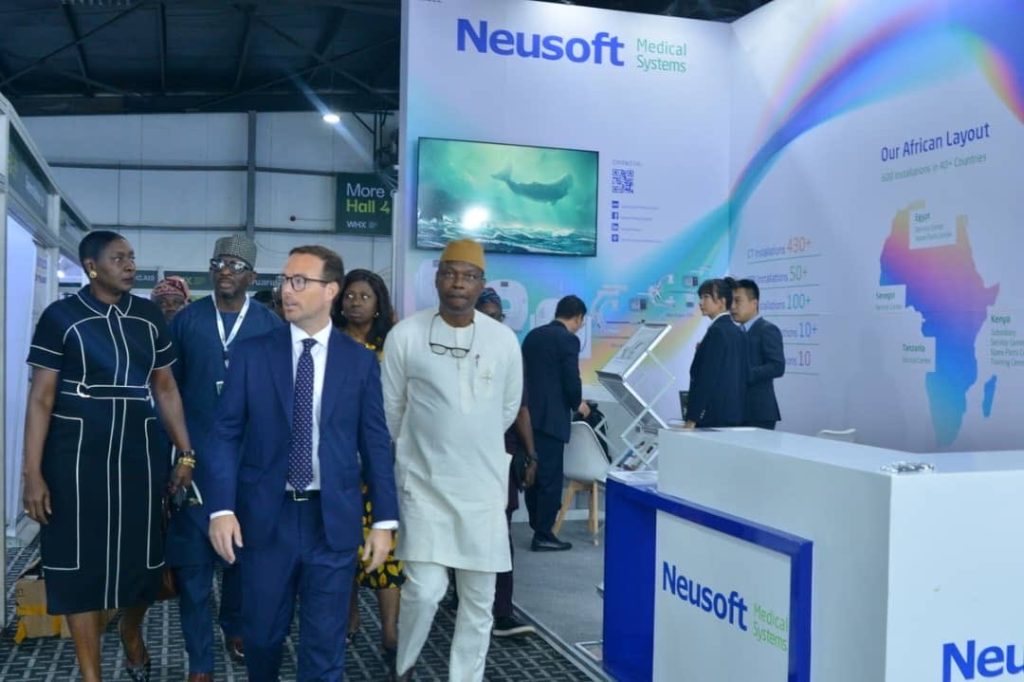
Speaking at the opening ceremony of the three-day World Health Expo (WHX Lagos 2026) in Lagos, the Honourable Minister of State for Health and Social Welfare, Dr. Iziaq Adekunle Salako, announced a historic shift from import dependency to aggressive domestic health sector industrialisation under the President Bola Ahmed Tinubu administration.
A Strategic Hub for West African Innovation
The international gathering, formerly known as Medic West Africa, has evolved into West Africa’s largest healthcare trade and innovation platform. This year’s expo attracted over 8,000 healthcare professionals, more than 500 exhibitors from over 40 countries, alongside policymakers, investors, and frontline health experts. Dr. Salako described WHX Lagos 2026 as a critical intersection where global healthcare innovation meets Nigeria’s urgent demand for accessible, modern, and resilient healthcare systems.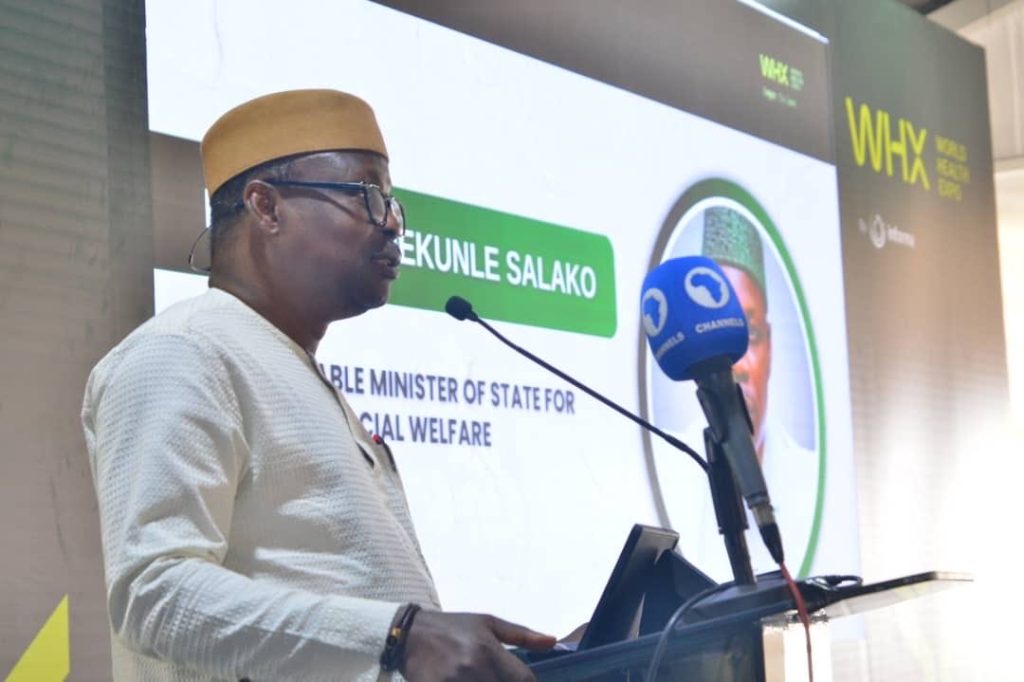
“Across West Africa, between 85 and 99 percent of medical equipment and in vitro diagnostics are imported. Nigeria must move from being primarily a consumer market to becoming a strategic hub for healthcare manufacturing, diagnostics, innovation, and medical technology deployment,” Dr. Salako stated.
Redefining the Healthcare Value Chain
The Minister emphasized that Nigeria can no longer afford an overwhelming dependence on imported medical equipment, especially as global supply chain disruptions continue to expose vulnerabilities across African health systems. To combat this, the Tinubu administration is implementing one of the most ambitious healthcare infrastructure and industrial transformation programmes in the nation’s history. Key policy pillars driving this change include the Presidential Initiative to Unlock Healthcare Value Chains (PVAC) and the Presidential Executive Order for the Pharmaceutical and Allied Sectors.
These ongoing reforms are deliberately designed to improve patient outcomes while simultaneously unlocking vast economic opportunities, creating jobs, and attracting foreign direct investment. By establishing robust local production frameworks, the government aims to firmly strengthen Nigeria’s position as a premier healthcare leader on the African continent.
Massive Infrastructure Upgrade and Private Funding
To back these policy shifts with visible action, the Federal Government is rolling out an extensive health infrastructure upgrade programme in partnership with the Nigeria Sovereign Investment Authority (NSIA). This nationwide rollout includes the establishment of 22 modern medical diagnostic centres, six oncology and nuclear medicine centres, and seven cardiac catheterisation laboratories distributed across Nigeria’s six geopolitical zones.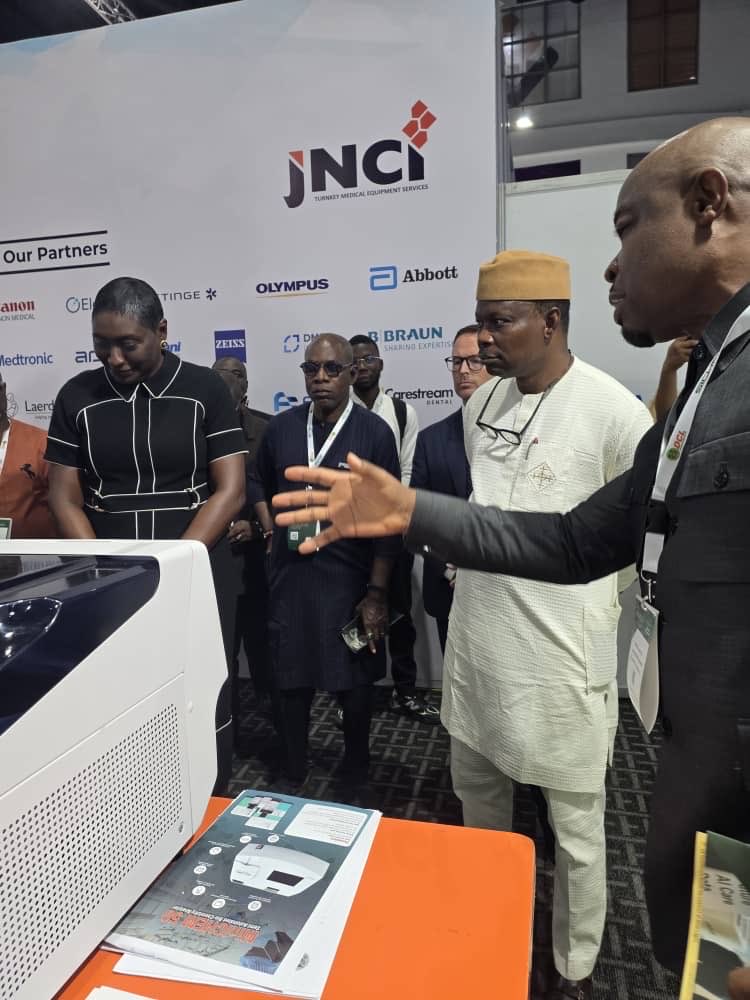
Furthermore, the Minister reaffirmed the government’s commitment to the $1.2 billion Sector-Wide Approach (SWAp) health reform initiative, alongside an additional ₦402 billion earmarked specifically for healthcare infrastructure investments. Dr. Salako stressed that healthcare is being treated as both a social necessity and a highly profitable economic growth sector, actively opening the ecosystem to strategic private sector participation, public-private partnerships, and long-term global investors.
“Nigeria is open for healthcare investment. Our hospitals require modern technologies, diagnostic systems, therapeutic equipment, digital infrastructure, and scalable innovations capable of improving care delivery for millions of Nigerians,” the Minister added.
Concluding his address, Dr. Salako commended Informa Markets, the organisers of WHX Lagos, alongside the Healthcare Federation of Nigeria (HFN) for sustaining a vital platform that continues to shape critical conversations around healthcare financing and sustainable development in the region.
Share this


