
In a decisive move to safeguard national borders against emerging infectious diseases, the World Health Organization (WHO) Nigeria has entered a strategic partnership with key government and border agencies to fortify the country’s Ebola virus disease (BVD) readiness.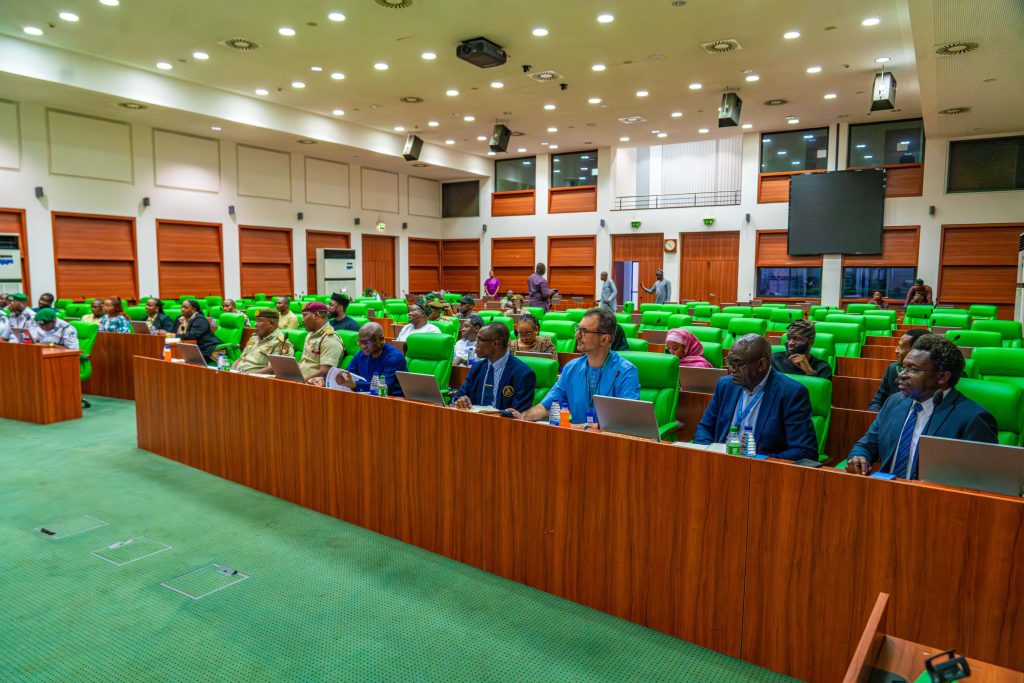
The high-level collaboration brings together a powerful coalition, including the House of Representatives Committee on Health, the Nigeria Centre for Disease Control (NCDC), Port Health Services, the Nigeria Immigration Service, and the Nigeria Customs Service. This multi-sectoral alliance aims to establish an impenetrable layer of health security, ensuring that any potential outbreak is rapidly detected, contained, and managed before it poses a national threat.
Building Resilient Health Defenses
Through this unified front, Nigeria is focusing heavily on cross-border health surveillance and inter-agency data sharing. By combining the border-enforcement power of Customs and Immigration with the clinical expertise of the NCDC and Port Health Services, the initiative closes critical gaps at major points of entry.
“WHO Nigeria joined the House of Representatives Committee on Health, NCDC, Port Health Services, Nigeria Immigration, and Nigeria Customs to strengthen Ebola BVD preparedness and readiness to rapidly detect and respond to outbreaks through strong collaboration and partnership,” the global health body stated in an official briefing.
Sustaining Health Security Through Partnership
The ongoing initiative relies heavily on WHO’s specialized technical support, which is being deployed to train personnel, optimize border screening protocols, and upgrade diagnostic frameworks. This support is designed to build sustainable health systems capable of shielding millions of citizens from evolving biological threats.
The success of these upgraded health security measures is further bolstered by international stakeholders. WHO Nigeria expressed deep appreciation for the unwavering commitment of its government partners and donors, noting that their sustained funding and political will are vital to maintaining Nigeria’s defense against infectious diseases.
Share this


