The World Health Organization (WHO) Nigeria has reaffirmed its collaboration with the Federal Ministry of Health and the National Institute for Cancer Research and Treatment (NICRAT) to strengthen Nigeria’s national cancer response, focusing on prevention, early diagnosis, research, and improved care delivery.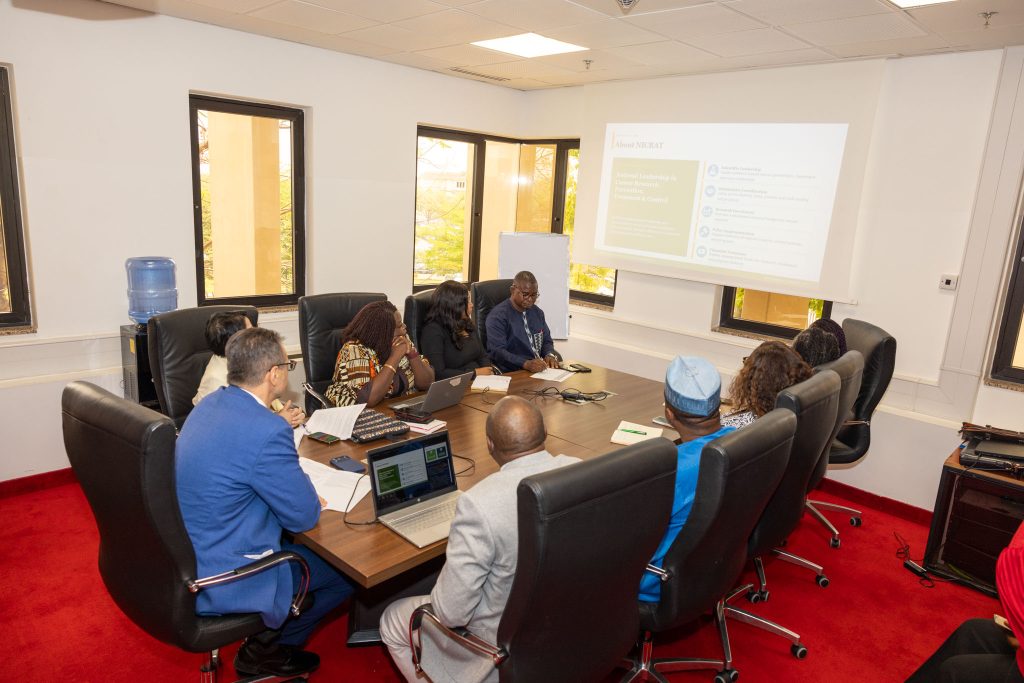
According to WHO Nigeria, the partnership supports the development of evidence-based national cancer control strategies, aimed at reducing the growing burden of cancer across the country.
The agency also emphasized efforts to strengthen the integration of cancer screening and early diagnosis services, improve coordination across national and global health programmes, and enhance cancer research and data systems.
Rising Cancer Burden in Nigeria
WHO Nigeria noted that cancer continues to significantly impact families across the country, with an estimated 130,000 new cancer cases recorded in 2022, resulting in about 80,000 deaths.
The organisation highlighted that the most prevalent cancers include breast cancer (25.3%), prostate cancer (14.1%), and cervical cancer (10.7%), stressing that early action remains critical in reducing mortality.
“Cancer continues to affect thousands of families in Nigeria every year, and early action can save lives.” as stated on X.
Strengthening Partnerships for Better Outcomes
As part of ongoing efforts to improve cancer prevention and care, the WHO Representative met with the Director-General of NICRAT, Prof. Usman Malami Aliyu, to advance joint strategies on early detection, prevention, and access to quality treatment services.
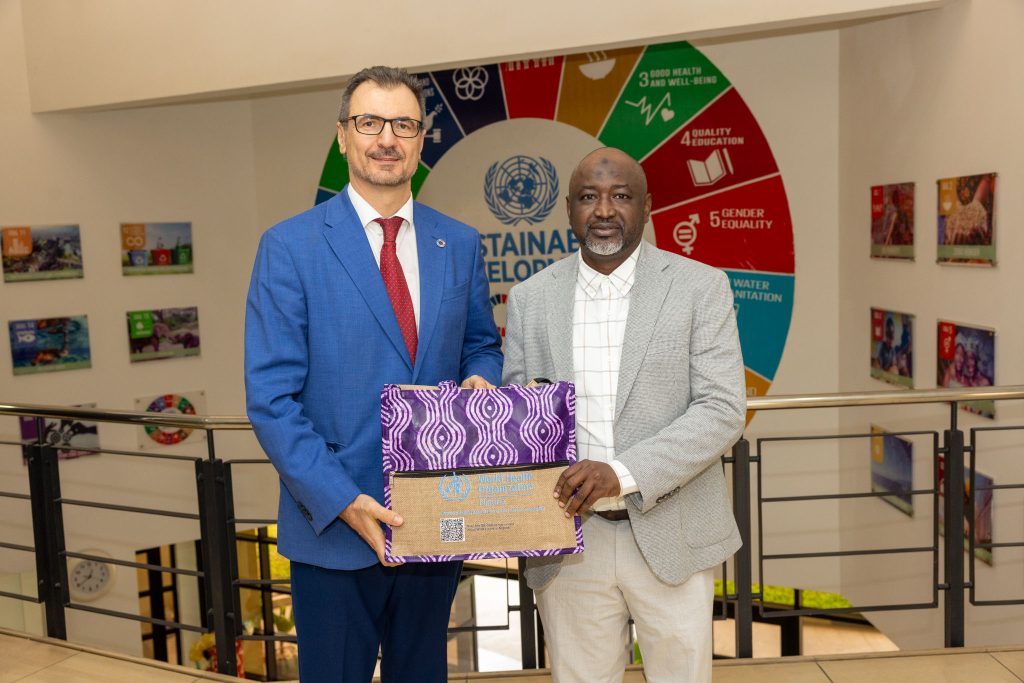
The meeting underscored the importance of stronger institutional collaboration in addressing cancer challenges and ensuring more Nigerians benefit from timely and life-saving interventions.
WHO Nigeria reiterated that strengthening partnerships across government and global health actors is key to changing Nigeria’s cancer burden reality.
Commitment to Reducing Preventable Deaths
The organisation further stated that the collaboration is aimed at ensuring that more Nigerians receive timely, life-saving cancer care, while also contributing to broader efforts to reduce preventable cancer deaths nationwide.
“Together, we can reduce the impact of cancer and protect more lives.” WHO Nigeria added.
The partnership aligns with ongoing national and global health priorities focused on improving early detection systems, expanding access to care, and strengthening health outcomes across Nigeria.
Learn more about WHO’s work on cancer control in Nigeria: afro.who.int/countries/Nige.
Share this