

Nigeria has maintained zero cases of wild poliovirus for six consecutive years, protecting millions of children from the paralysis caused by the disease, the World Health Organisation (WHO) has said.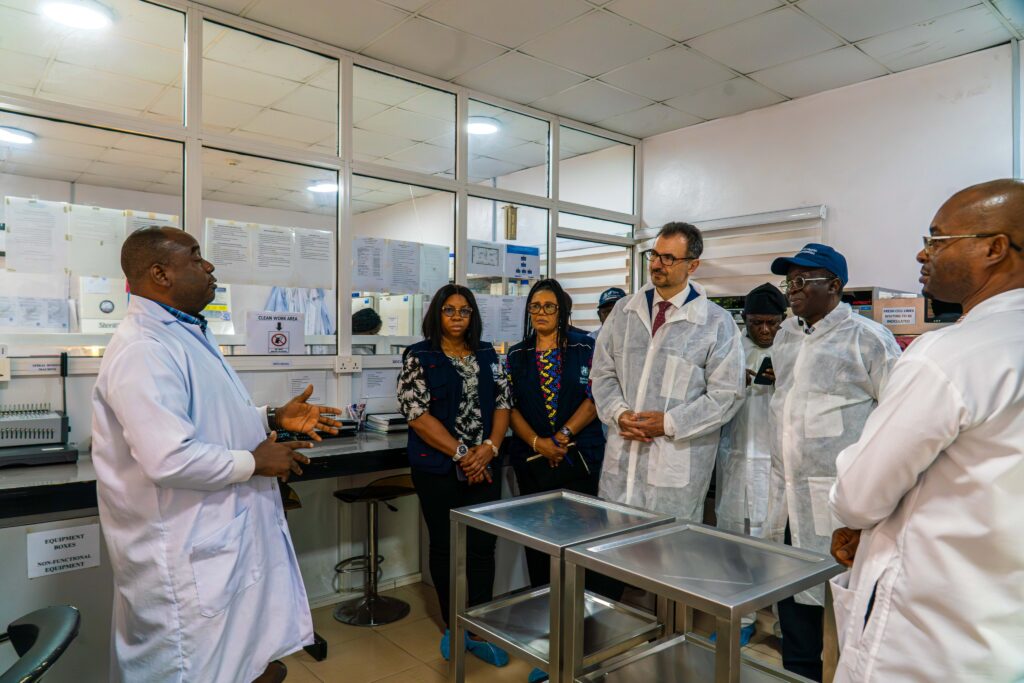
The WHO disclosed this during a visit by its Country Representative, Dr Pavel Ursu, to the WHO-accredited National Polio Laboratory (NPL) in Ibadan, Oyo State.
Laboratory Strengthens Polio Surveillance
According to WHO Nigeria, the Ibadan laboratory plays a key role in helping the country maintain its polio-free status through surveillance, rapid detection and laboratory analysis.
The organisation said the laboratory’s work is critical to identifying any possible poliovirus outbreak early and preventing its spread.
“Their expertise in surveillance, innovation and rapid detection is central to stopping any potential outbreak before it spreads,” WHO Nigeria said.
The laboratory is also preparing for full accreditation by September 2026, a move expected to strengthen Nigeria’s ability to detect and investigate suspected polio cases and wastewater samples quickly and accurately.
Over 23,000 Samples Analysed Annually
WHO said the Ibadan National Polio Laboratory analyses more than 23,000 stool samples every year from 26 states and the Federal Capital Territory.
It also processes sewage samples collected from 60 wastewater surveillance sites across the country, helping health authorities monitor the possible circulation of poliovirus in communities.
Since receiving WHO accreditation in February 2025, the laboratory has also sequenced more than 1,000 poliovirus isolates, further strengthening Nigeria’s capacity to track and respond to the virus.
WHO, Government Sustain Surveillance
WHO said it continues to work with the Nigerian government and other partners to support nationwide disease surveillance, vaccination campaigns and real-time data monitoring.
“These efforts help ensure every child is reached and every signal is investigated,” the organisation said.
WHO added that maintaining Nigeria’s progress against polio will require continued investment in science, strong leadership and sustained collaboration among government, health workers and development partners.
“Protecting millions of children from polio is possible when science, leadership and partnership come together,” WHO Nigeria said.
Share this


