In a decisive move to fortify the nation against emerging biological threats, the World Health Organization (WHO), the Food and Agriculture Organization (FAO), and UNICEF have convened a high-level assembly of national stakeholders to overhaul Nigeria’s disease prevention framework.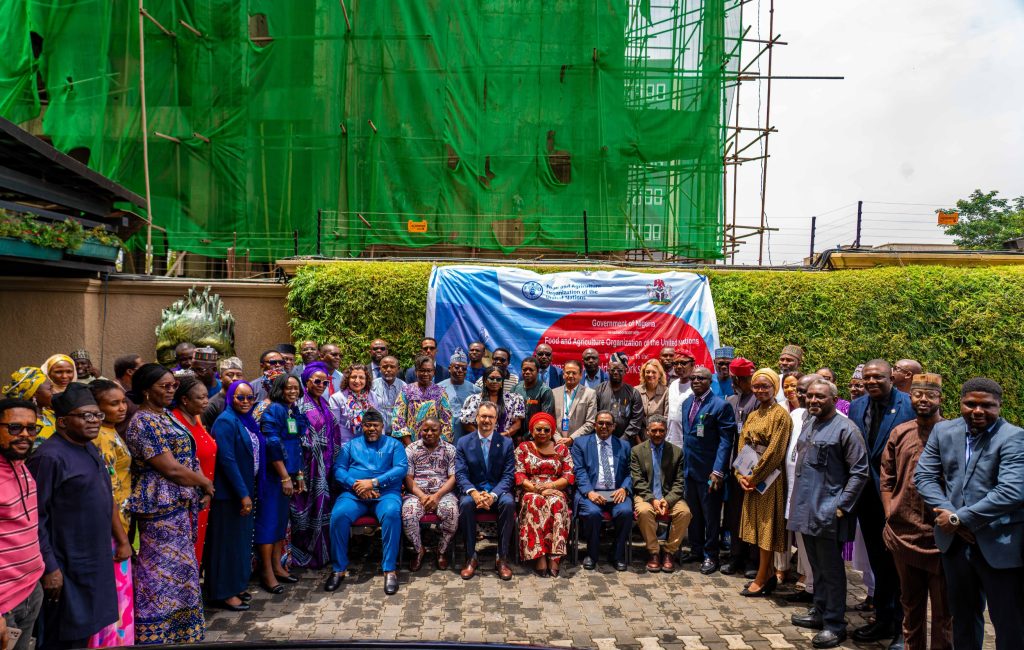
The three-day workshop, hosted by FAO Nigeria, marks the commencement of the development phase for Nigeria’s One Health Strategic Plan 2.0. This initiative recognizes that the health of Nigerians is inextricably linked to the health of animals and the shared environment.
Addressing the Root of Global Pandemics
Scientific data underscores the urgency of this integrated approach. Research indicates that 75% of emerging human infections are transmitted from wild and domestic animals, while 60% of all known infectious diseases originate at the human-animal-environment interface. By focusing on the One Health model, Nigeria aims to shift from reactive crisis management to proactive prevention.
The workshop brought together a diverse cohort of experts from the human health, veterinary, and environmental sectors. This includes active participation from the Quadripartite a global alliance comprising the FAO, UNEP, WHO, and WOAH to ensure that Nigeria’s domestic strategy aligns with international biosafety standards.
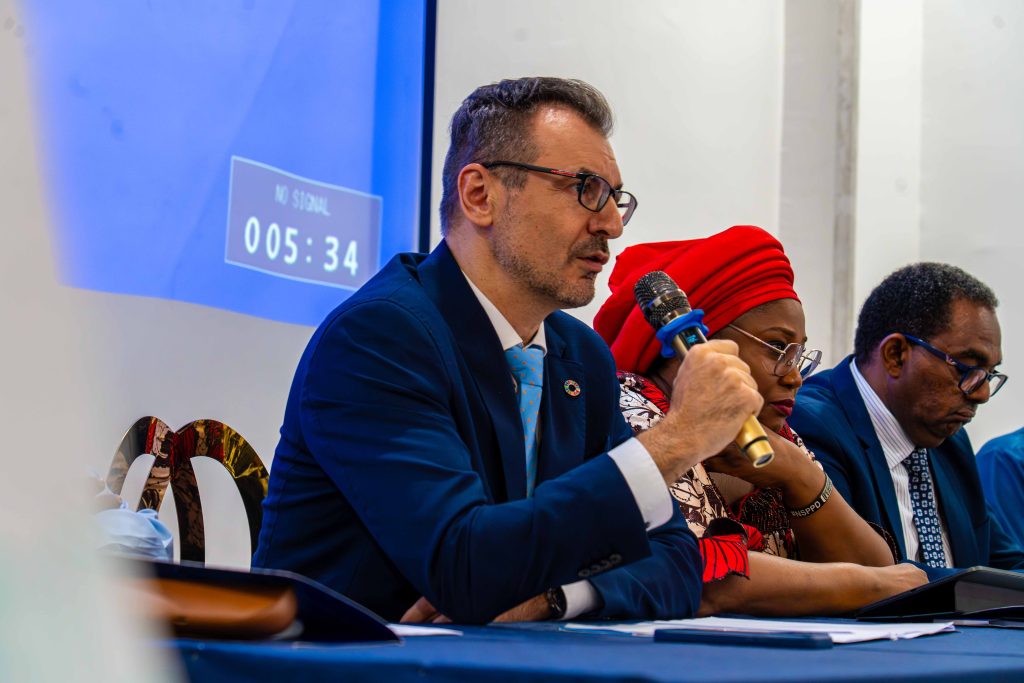
“One Health is fundamental to preparedness,” stated Dr. Pavel Ursu, WHO Representative to Nigeria. “By strengthening core capacities across all sectors, we can prevent outbreaks, detect risks early, and deliver coordinated responses that save lives.”
A Unified Front for Future Resilience
Throughout the sessions, technical leads reviewed previous progress and identified high-priority impact areas to be addressed in the updated 2.0 strategy. The goal is to build a more resilient infrastructure capable of detecting a virus in a wildlife population or a livestock farm before it ever reaches a human community.
The development of the Strategic Plan 2.0 is bolstered by international donors and partners dedicated to advancing Nigeria’s health security. As the workshop concludes, the resulting roadmap will serve as the primary blueprint for protecting Nigerian communities and ensuring a safer, more stable future for the West African region.
Share this