
For twenty-seven-year-old Godiya Tumba, the distance between medical science and her children’s safety was once measured in kilometers of dusty roads and a lack of clear information. That changed this week when she walked to a temporary health outreach in Wuro Jabbe, Adamawa State, to finally complete her children’s routine vaccinations.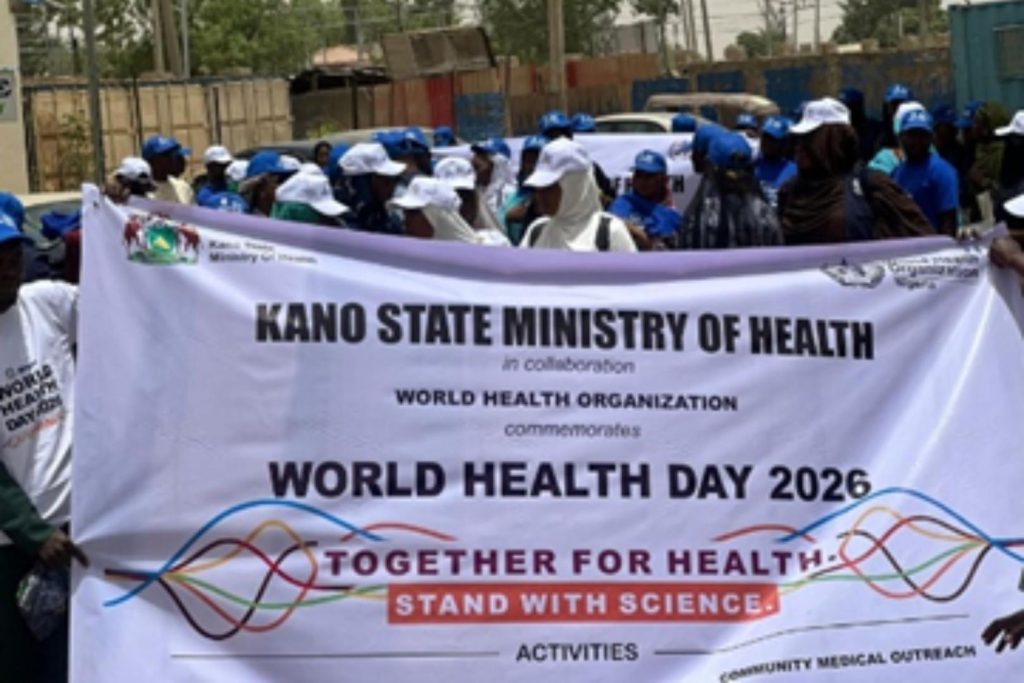
“I came because they explained why vaccines matter,” Tumba said, highlighting a critical gap in the nation’s healthcare delivery. “Nobody had ever told me like this before.”
Her story served as the heartbeat of World Health Day 2026, a national mobilization aimed at proving that life-saving science is only effective when it is accessible, understood, and trusted. Across Nigeria, the 2026 initiative focused on bringing evidence-based care to those most isolated by insecurity, misinformation, and rural geography.
Turning Policy into Point-of-Care
Despite national efforts, Nigeria grapples with significant hurdles; only about one-third of children aged 12–23 months are fully vaccinated. The 2023–24 NDHS findings further underscore the fragile state of maternal health in rural settings.
To combat this, the Health Sector Renewal Investment Initiative moved from paper to the pavement. Dr. Pavel Ursu, WHO Representative in Nigeria, emphasized that data alone cannot save lives.
“World Health Day 2026 reminds us that evidence alone is not enough. It must be delivered through systems people trust and services they can reach,” Dr. Ursu stated.
Localized Impact: From Adamawa to the Delta
In Adamawa, the outreach was transformative. Teams in Namtari and Wuro Jabbe provided missed vaccinations to 34 children, screened 174 pregnant women, and assessed 228 children for malnutrition. For fathers like Yusuf Adamu, the outreach was a lifeline. “My son had been coughing for weeks… I feel relieved,” he shared after his son received treatment.
In Delta State, the impact was immediate and literal. During an outreach in Warri South, health workers assisted a woman in labor, resulting in the safe delivery of a healthy baby boy. The state also focused on disability rights, providing wheelchairs to those with diabetes-related mobility issues.
The Power of Trusted Voices
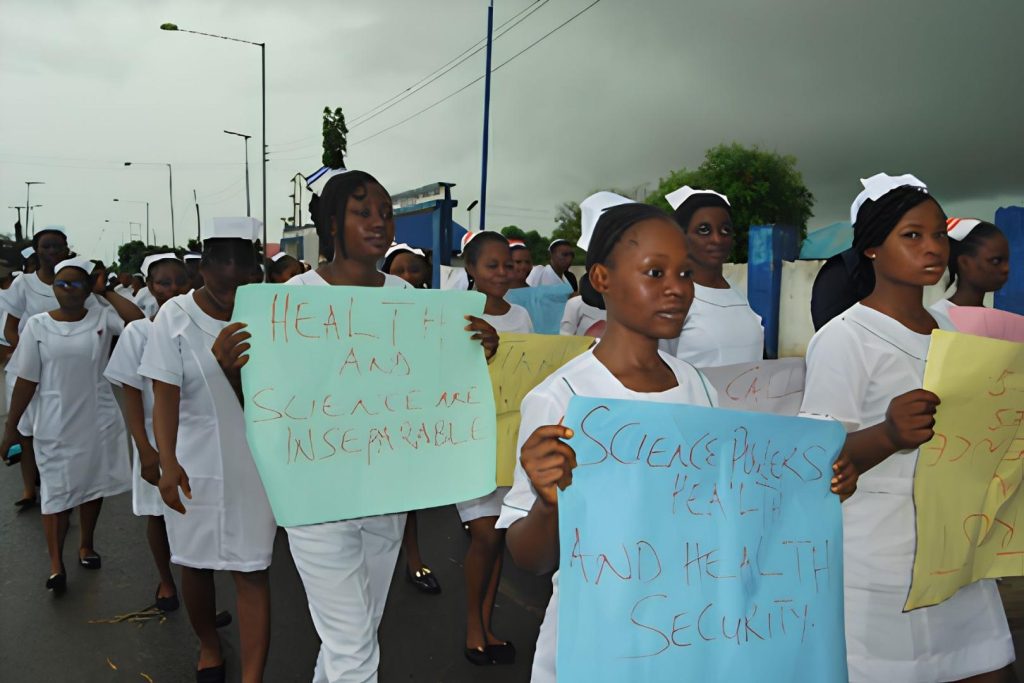
The 2026 campaign leveraged the influence of students and faith leaders to dismantle misinformation. In Cross River, over 500 nursing students led community walks to discuss polio and antimicrobial resistance.
In Bayelsa, the clinical met the clerical. Pastor Folashayo Aderemi told his Redeemed Christian Church of God (RCCG) congregation: “Faith protects the soul. Science protects the body.” This collaboration ensured that accurate health data reached the public through voices they already respected.
Overcoming Insecurity through Innovation
In regions where conflict often halts healthcare, such as Katsina and Borno, health teams turned to surveillance data to navigate risks. In Borno’s Lumbu settlement, integrated teams provided 181 outpatient consultations and conducted over 140 malaria tests for families displaced by violence.
In Plateau State, the governance of health shifted toward the future, with all 207 federal wards transitioning to digital reporting, ensuring that local needs are seen by national decision-makers in real-time.
A Roadmap for the Future
As the World Health Day activities conclude, the focus shifts to sustainability. Dr. Iziaq Salako, Minister of State for Health and Social Welfare, reaffirmed the government’s stance: “In Nigeria, our commitment is to ensure that policies and interventions are driven by credible data and evidence.”
The mission forward is clear: Nigeria aims to strengthen Primary Health Care (PHC) by investing in health workers, countering misinformation, and ensuring that for mothers like Godiya Tumba, the why of healthcare is never a mystery again.
Share this


