The World Health Organization (WHO) has reaffirmed its commitment to saving lives through the strengthening of health systems in Niger State, focusing on the expansion of Primary Health Care (PHC) and the enhancement of emergency medical readiness.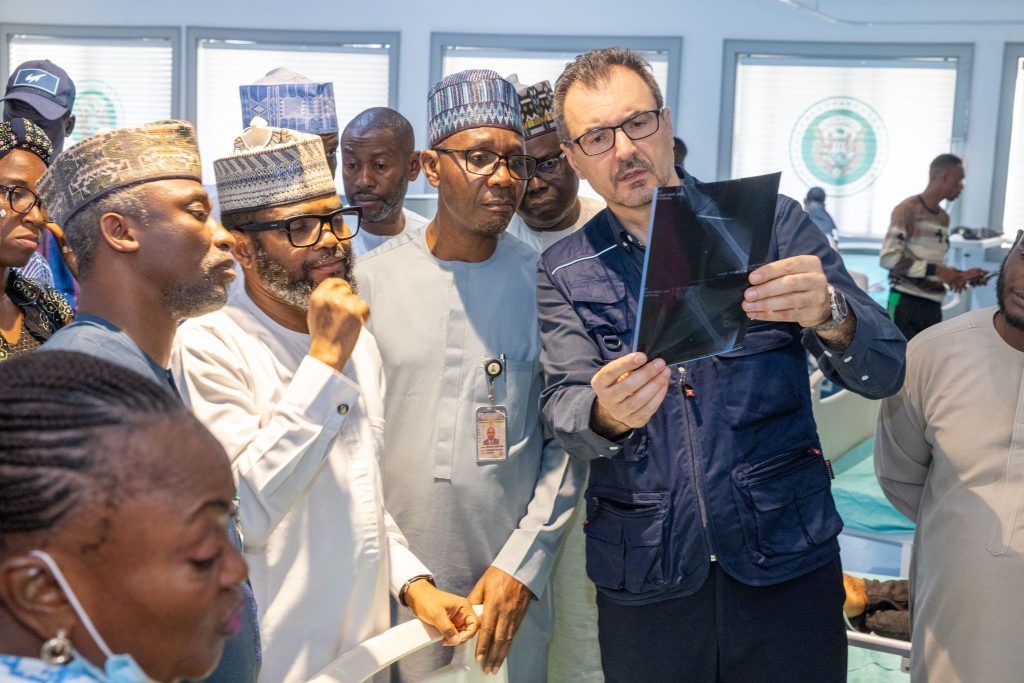
Through a strategic partnership with the State Government, the WHO is working to ensure that essential medical services are accessible to women, men, and children precisely when they need them. This collaborative effort aims to build a resilient healthcare foundation capable of meeting both routine needs and unexpected crises.
Significant Gains in Routine Immunization Recent data indicates a transformative shift in the state’s immunization landscape. Routine immunization coverage has seen a dramatic increase; coverage for MCV2 (Measles-containing vaccine second dose) has reached 62%, while IPV2 (Inactivated Poliovirus Vaccine second dose) has climbed to 71%. These figures represent a substantial leap from previous levels, which sat below 40%.
This progress signals that a significantly higher number of boys and girls across the state are now protected against vaccine-preventable diseases, securing a healthier future for the next generation.
On-the-Ground Assessment in Minna During a high-level working visit to Minna, the WHO Representative to Nigeria, Dr. Pavel Ursu, engaged directly with frontline health workers to review ongoing progress and identify systemic bottlenecks.
The visit provided a platform for local professionals to share the challenges and innovative solutions shaping the delivery of PHC services in the state.
Addressing the importance of these grassroots efforts, Dr. Pavel Ursu emphasized the necessity of local engagement, stating: “Stronger health systems save lives. By working closely with the government to strengthen primary health care, we ensure that every citizen can get the care they need when they need it.”
Rapid Response to Shiroro Crisis Beyond routine care, the WHO has played a pivotal role in supporting communities affected by the recent attack in Shiroro Local Government Area (LGA). Following the incident, WHO officials visited survivors receiving treatment at the IBB Specialist Hospital.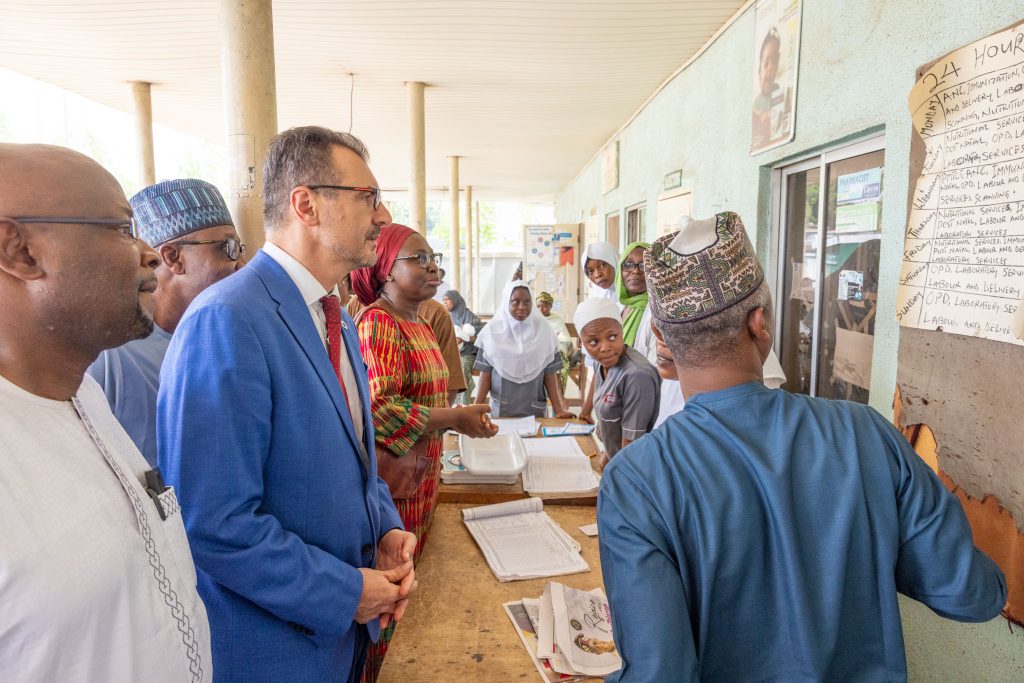
In the wake of the violence, health workers acted with speed to provide life-saving interventions. To sustain these efforts, the WHO is currently supporting emergency coordination, providing trauma care guidance, and delivering essential medical supplies to ensure survivors receive comprehensive care during their recovery.
A Collaborative Investment in Health The strides made in Niger State are the result of a unified front involving the Federal Government of Nigeria, dedicated frontline health workers, and international partners. Continued investment from donors in PHC infrastructure and emergency readiness remains critical to sustaining these gains and protecting the lives of the most vulnerable populations across the federation.
Share this