For the 3,500 residents of Kulo community in the Kuje Area Council, the pursuit of clean water has evolved from a daily chore into a systemic crisis that is dismantling the education and health of its citizens.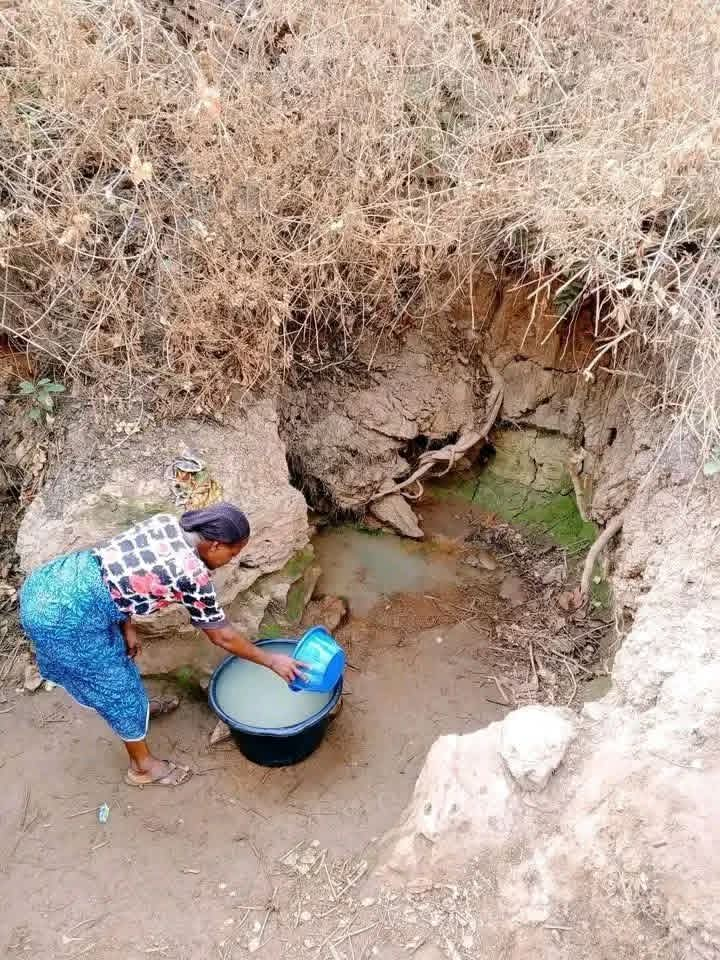
The Toll on Education
In Kulo, survival is currently taking precedence over schooling. The lack of accessible water sources has forced children to abandon their desks for riverbanks, spending the early hours of the morning and often the entire day searching for water.
Mary Danlami, a JSS 3 student in Rubochi, highlighted the dire situation, explaining that the trek for water has made a normal school life impossible.
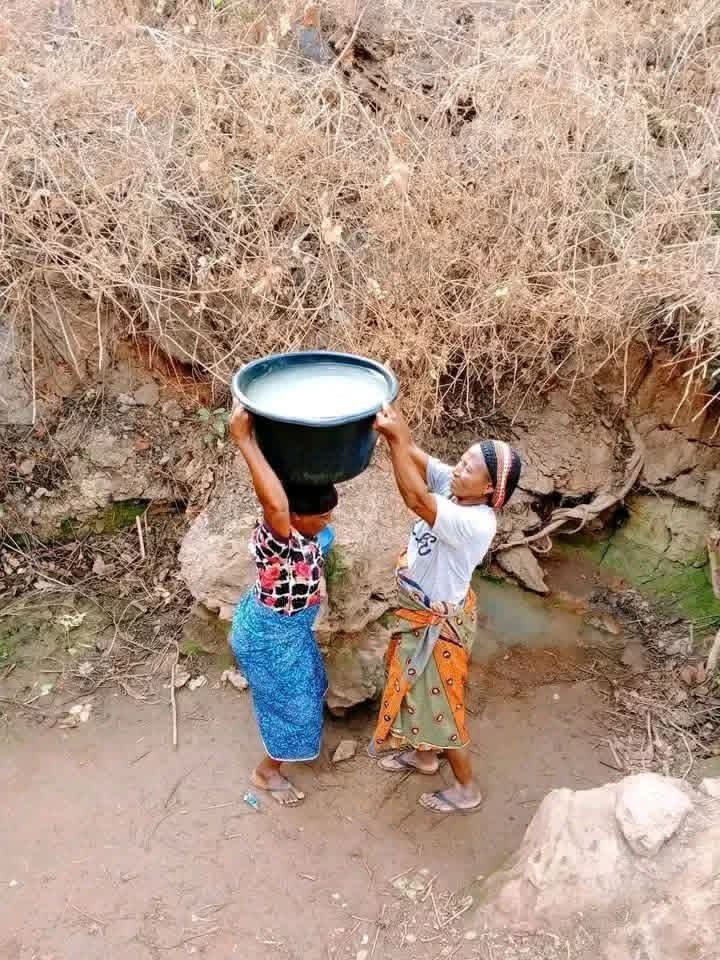
“I wake up at 2am to go to the river with my mum. When I get there, I meet long queues. By the time I fetch water, it’s already 10am and school has started. I’ve missed tests and practicals because of this,” Danlami stated.
Health Risks and Daily Hardship
The crisis extends beyond the classroom. Residents are forced to trek miles to distant rivers, only to spend additional hours attempting to purify the water—efforts that are described as mostly futile.
The consequences of this scarcity are severe hygiene, disease, and economic strain
A Call for Urgent Intervention
Public interest organization Tracka has brought the community’s plight to the forefront, calling on government officials to intervene immediately. The organization stressed that the lack of infrastructure is not just an inconvenience but a violation of the community’s right to health and education.
Advocates are specifically calling on FCT Minister Nyesom Wike, Senator Ireti Kingibe, and local representatives Hon. Abdullahi Sabo and Hon. Abdulrahman Ajiya to prioritize the provision of clean water for Kulo.
With the academic future of students like Mary Danlami at stake, the community continues to wait for a solution that will allow them to trade their water buckets back for school books.
Share this