

The United Nations Office on Drugs and Crime (UNODC) in collaboration with Nigerian justice and protection institutions has launched a Quick Reference Guide for Investigating Sexual Assault in Northeast Nigeria, aimed at strengthening survivor-centred justice and improving investigative outcomes in conflict-affected areas.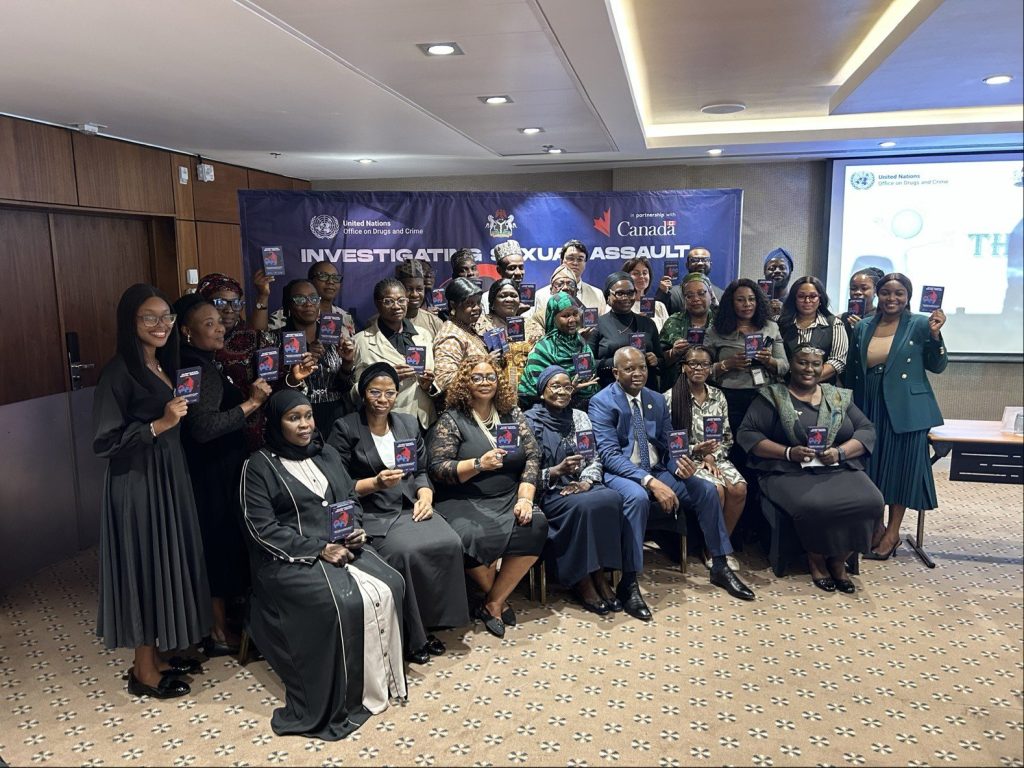
The initiative, announced in partnership with the United Nations Nigeria, introduces practical tools designed to equip frontline responders with ethical, consistent, and survivor-sensitive procedures in handling sexual and gender-based violence (SGBV) cases.
Strengthening Response in Conflict Zones
According to UNODC, the newly introduced SGBV Investigator Aide-Memoire Card, funded by Global Affairs Canada, is specifically designed to enhance forensic and investigative capacity in cases of sexual violence linked to terrorism, particularly in Borno State, where years of conflict have intensified protection challenges.
The programme seeks to address critical gaps in the justice system by ensuring that investigators and responders are better equipped to manage sensitive cases while upholding human rights standards.
A Major Step Toward Justice
Speaking at the launch, Cheikh Toure, UNODC Nigeria Representative, described the guide as a significant advancement for accountability and survivor support in the region.

“This Guide is a major step toward justice for survivors in Northeast Nigeria. Rooted in local realities, it strengthens forensic capacity while upholding dignity, accountability, and the rule of law,” he said.
His remarks underscored the importance of integrating local context into investigative frameworks while ensuring adherence to international justice standards.
Judiciary Calls for Collective Action
Also speaking, Hon. Justice O.A. Egwuatu of the Federal High Court of Nigeria, Abuja, highlighted the severe difficulties faced by survivors of sexual violence and called for stronger institutional cooperation to combat SGBV.
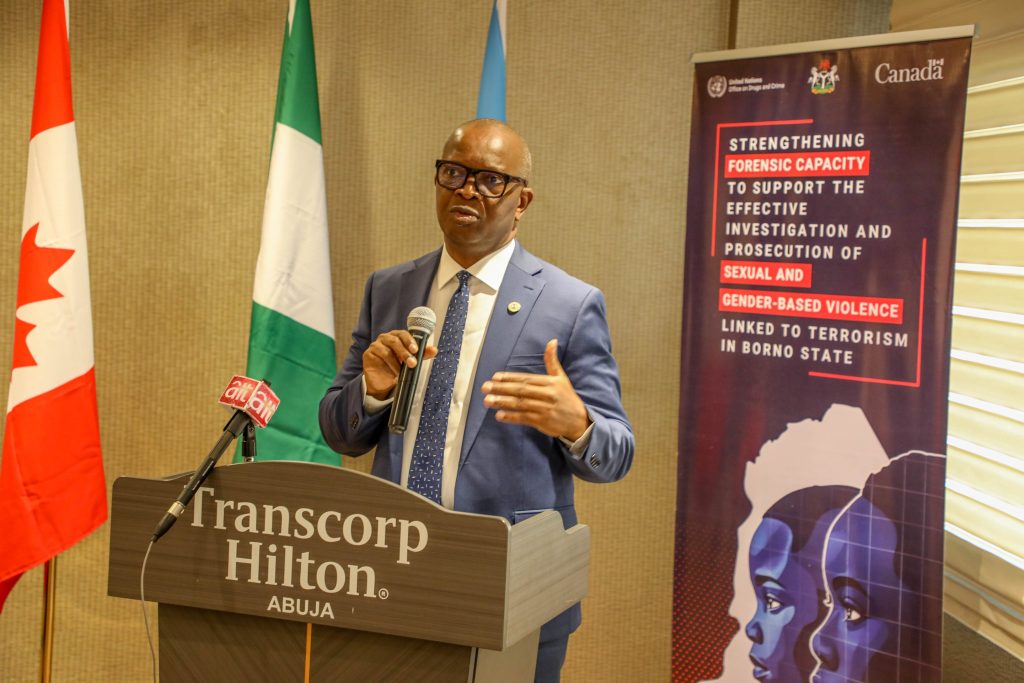
He commended the initiative, noting that the Quick Reference Guide would serve as a vital resource for frontline personnel working to ensure justice and protection for survivors across the country.
Canada Commends Partnership
Representing Canada’s contribution, Ms. Wilma Endamne of Global Affairs Canada expressed appreciation for the collaboration with UNODC and emphasized the importance of the guide in strengthening frontline response systems.
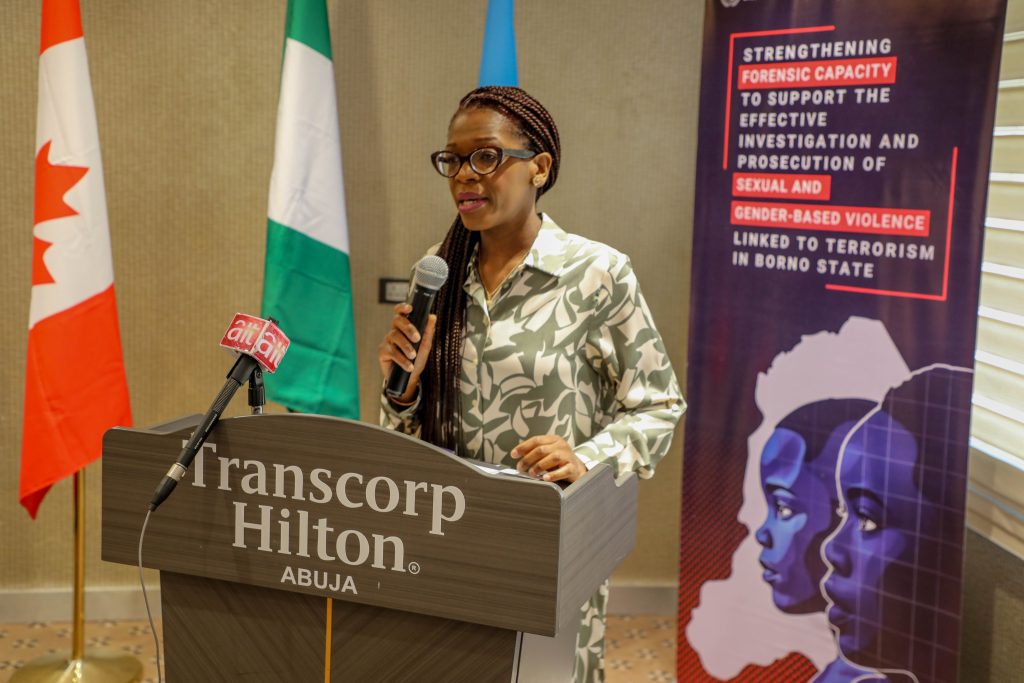
She noted that the tool would help ensure rights-based and survivor-centred practices are consistently applied by investigators and justice officials.
Improving Justice Outcomes for Survivors
Frontline practitioners involved in the rollout stressed that the guide is expected to significantly improve investigative consistency, survivor protection, and conviction rates in sexual assault cases.
The initiative is part of broader efforts by UN agencies and Nigerian institutions to strengthen justice systems in regions affected by insecurity, with a focus on restoring trust, accountability, and access to justice for survivors of gender-based violence.
Share this


