In a landmark move for the global digital landscape, the United Nations team in Nigeria, led by Acting Resident and Humanitarian Coordinator Elsie Attafuah, officially welcomed UNESCO Assistant Director-General for Communication and Information, Mariya Gabriel, for the historic launch of the International Media and Information Literacy Institute (IMILI).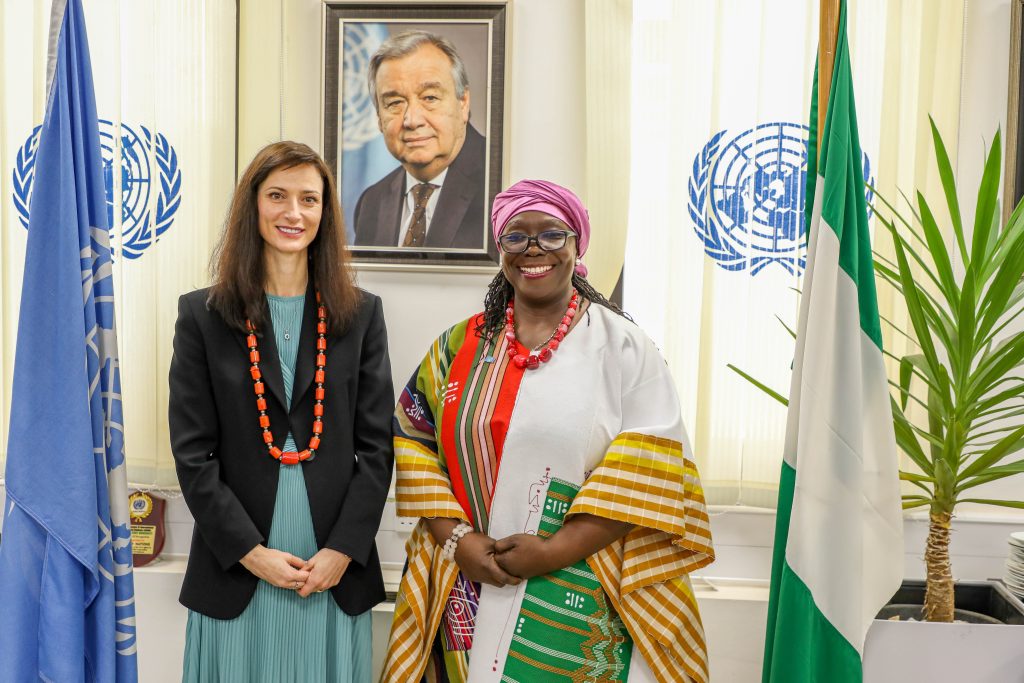
The new center, established as a UNESCO Category 2 Institute, represents a strategic investment in information integrity and a significant milestone in Nigeria’s leadership within the digital sphere.
A Foundation for Trust and Democracy
The establishment of IMILI comes at a critical juncture as nations grapple with the rapid spread of misinformation. During the ceremony, United Nations Under-Secretary-General for Global Communications, Melissa Fleming, emphasized the global necessity for reliable information ecosystems.
“Our world urgently needs an info ecosystem it can trust—one that promotes peace, development, and human rights,” Fleming stated. “I thank the Government of Nigeria for investing in this center.”
Strategic Impact on Development and Human Rights
The institute is designed to function as a system-wide UN asset, leveraging Media and Information Literacy (MIL) to drive progress across multiple sectors. Discussions between the UN Nigeria Country Team and UNESCO leadership highlighted how the institute will promote education, health, peace, and climate action, while simultaneously addressing the complex ethics of Artificial Intelligence.
Acting UN Resident Coordinator Elsie Attafuah underscored the transformative potential of the institute for the digital age, noting its role in shielding the public from manipulation.
“The launch of IMILI is an investment in the future of trust,” Attafuah remarked. “It gives the world a powerful platform to protect informed citizenship and ensure that our digital transformation remains inclusive and grounded in truth.”
Strengthening the “One UN” Collaboration
The visit also served as a catalyst for deeper collaboration between UN agencies. Alongside Jean-Paul Ngome Abiaga, UNESCO Nigeria Head of Office, the delegation explored how IMILI can advance youth empowerment, the digital economy, and gender equality under the #OneUN framework.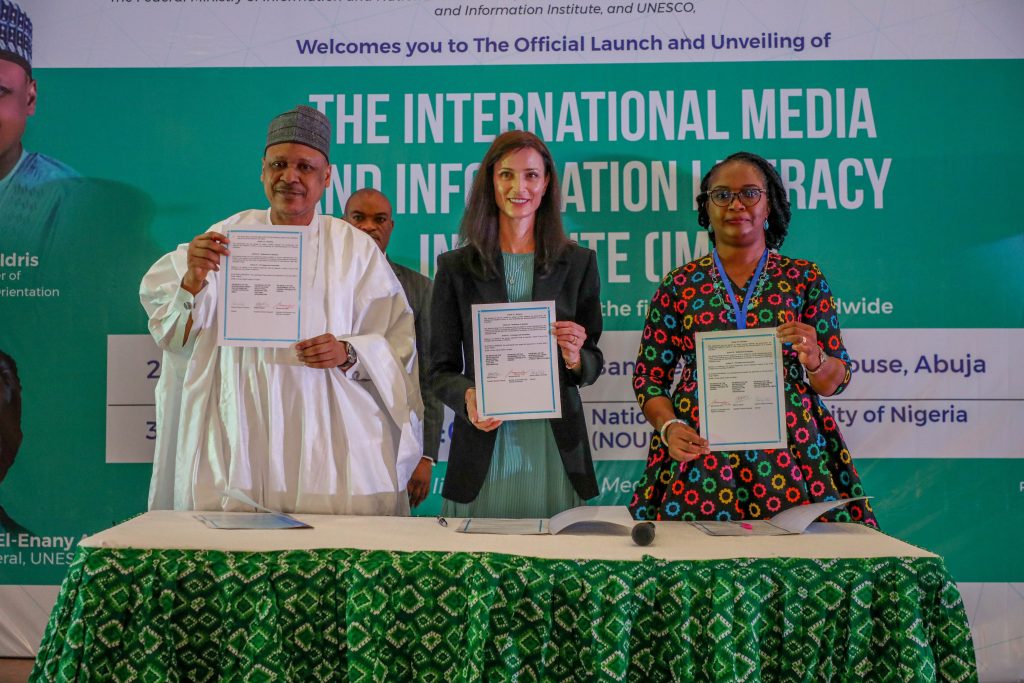
By positioning Nigeria as a hub for MIL, the institute aims to build resilient communities capable of navigating the complexities of the modern information environment, ultimately fostering a more stable and transparent democratic governance
Share this