By Michael Omotosho |
In a major step toward combating land degradation and climate change in the Sahel, stakeholders gathered at the UN House in Abuja to officially inaugurate the Joint Technical Working Group (JTWG) for the Scaling-Up Resilience in Africa’s Great Green Wall (SURAGGWA) programme.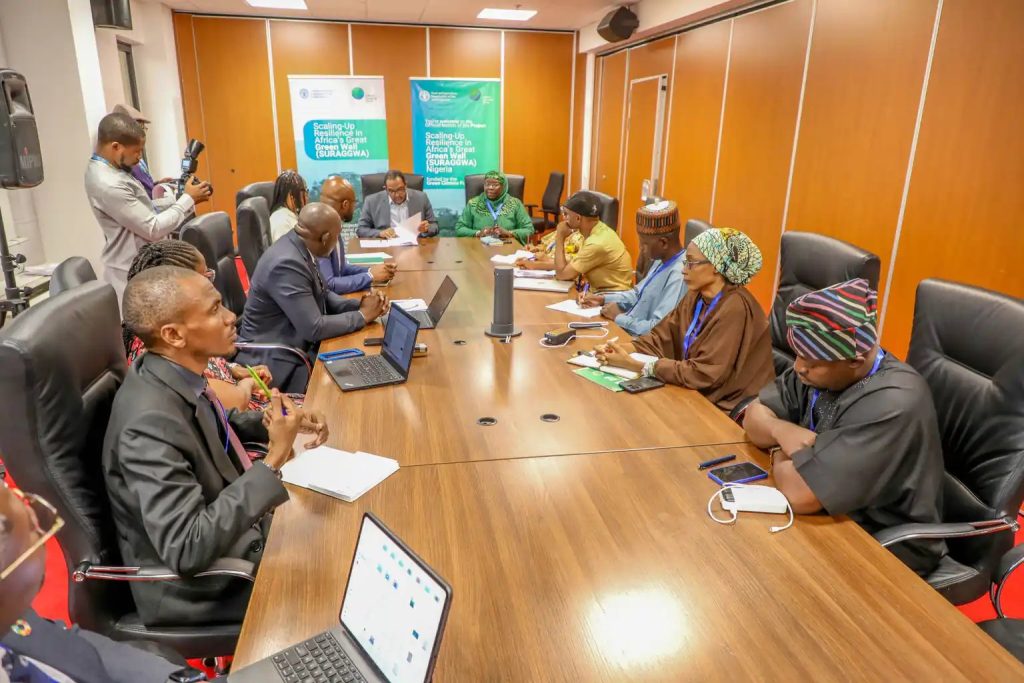
The newly formed JTWG is designed to provide technical guidance, coordinate cross-border efforts, and unify states and institutions under a single, cohesive framework.
A Bold Vision for the Sahel
Backed by the Green Climate Fund (GCF) and implemented by the Food and Agriculture Organization (FAO), the SURAGGWA project is a transformative environmental and agricultural initiative.
Aligned with the African Union (AU) vision, the programme aims to restore 100 million hectares of degraded land, create 10 million green jobs, and boost climate resilience across eight Sahelian countries.
The Abuja launch brought together an array of climate experts, government officials, and international partners to set immediate priorities and drive collective action.
Call for Actionable Outcomes on the Ground
Speaking at the inauguration, Mr. Hussein Gadain, the FAO Representative to Nigeria, emphasized the profound impact of the SURAGGWA initiative on vulnerable populations.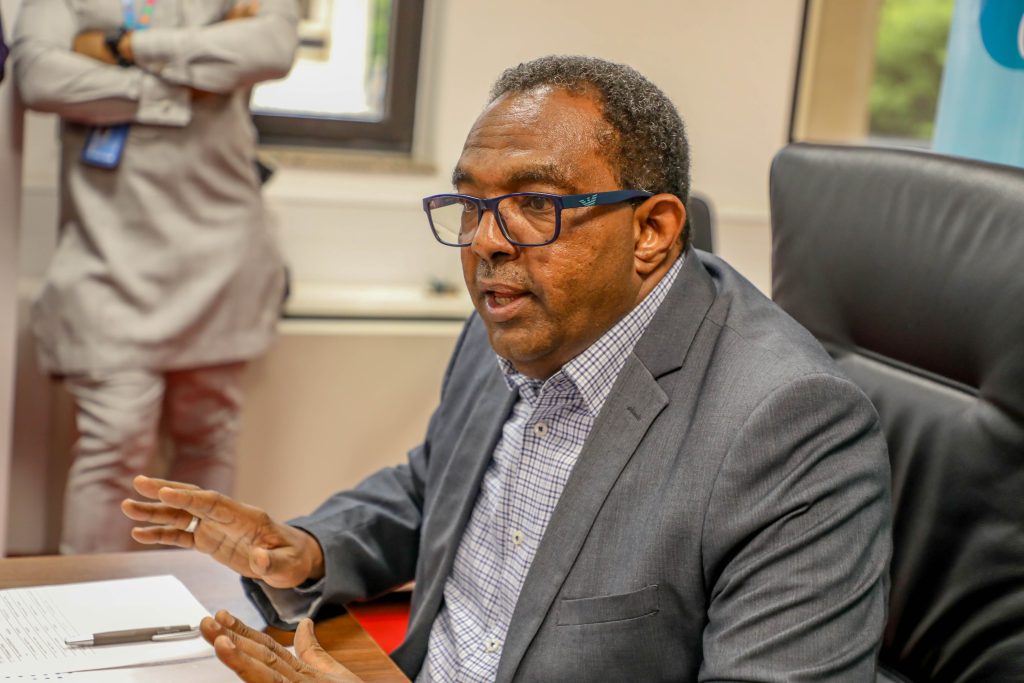
“I urge the JTWG to deliver actionable outcomes, establishing a clear roadmap for field activities, precise site selection, and targeted restoration interventions to secure a sustainable future for vulnerable communities along the Great Green Wall,” Gadain stated.
Inter-Agency Collaboration Pledges Support
The event saw strong commitments from key Nigerian environmental agencies. Representing the Director General and CEO of the National Agency for the Great Green Wall (NAGGW), Ms. Habiba Ibrahim Lau reaffirmed the agency’s unwavering dedication to the project, emphasizing that Nigeria will contribute critical expertise to ensure successful project delivery.
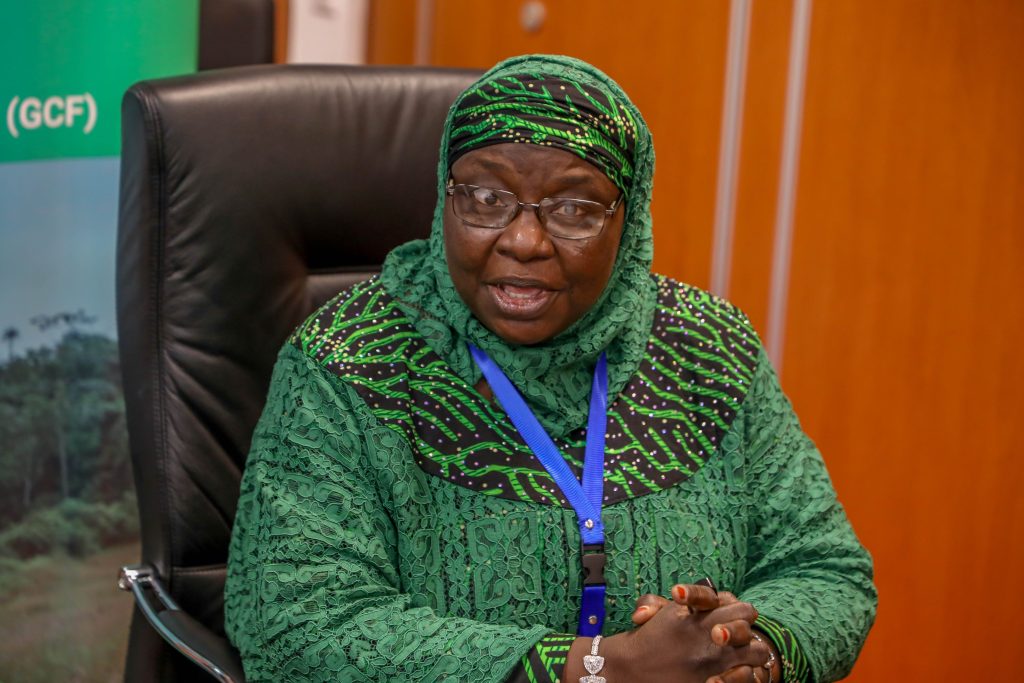
Echoing this collaborative spirit, Ms. Oghele Ruth of the Agro-Climatic Resilience in Semi-Arid Landscapes (ACReSAL) project pressed the working group to move swiftly from planning to execution.

“We must turn high-level vision into concrete, life-changing actions on the ground to protect the livelihoods of millions across our semi-arid regions,” Ruth urged.
Sustainability Through Institutional Engagement
The long-term success of the initiative will rely heavily on continuous monitoring and communication. Ms. Regina Nwaneri, representing the Federal Ministry of Environment, stressed that the JTWG cannot afford to be a temporary fixture.

“Sustained engagement of the JTWG is vital for effective planning, implementation, monitoring, and knowledge sharing,” Nwaneri noted, adding that deep-rooted collaboration remains the absolute cornerstone of the project’s ultimate success.
Share this