

By Michael Omotosho |
The United Nations House in Nigeria recently hosted the inaugural Project Steering Committee (PSC) meeting for two major European Union-funded initiatives aimed at transforming the lives of displaced populations. The joint session marked the official launch of the “EU Support for Internally Displaced Persons in Yobe, Adamawa, Benue & Kano States (SIDPIN)” and the “EU Support for Protection, Assistance & Durable Solutions in Sokoto State (SPADS)” projects.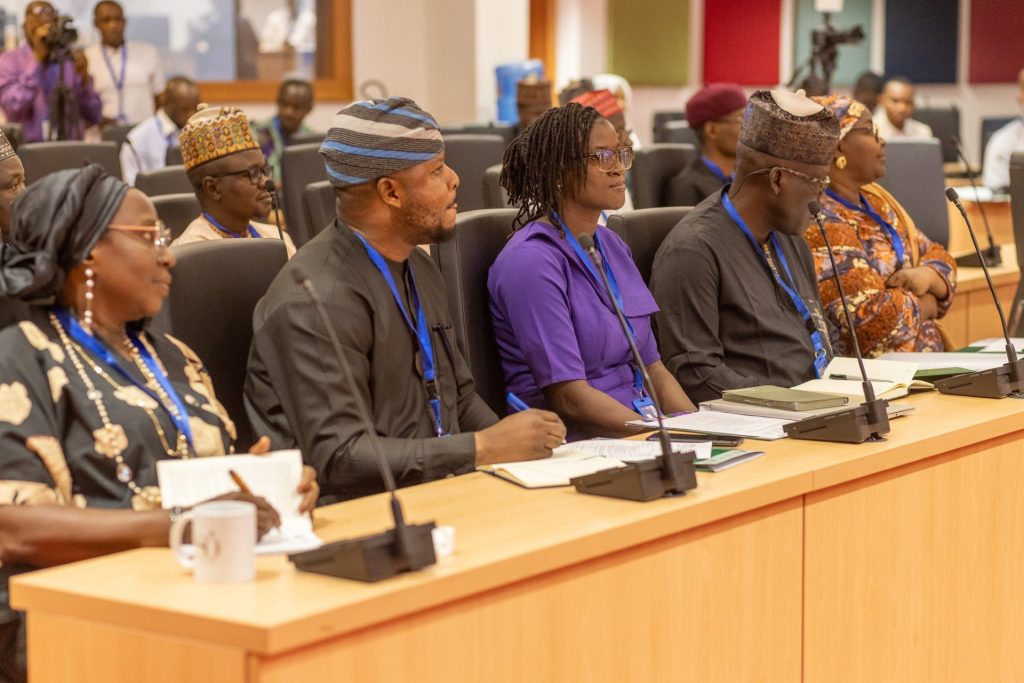
Financed by the European Union/International Partnership (EU/INTPA), these initiatives are strategically designed to assist the Nigerian government in advancing durable solutions and promoting sustainable urban integration for communities affected by conflict and instability.
As the highest decision-making body for these joint projects, the newly inaugurated PSC will provide strategic direction, governance, and oversight to ensure that resources are deployed effectively across the five target states.
Rebuilding Lives Through Local Systems
Speaking at the high-level gathering, the United Nations Resident Coordinator in Nigeria, Mohamed Fall, underscored the transformative potential of the initiatives. He emphasized that the projects represent a critical milestone in transitioning from temporary humanitarian relief to long-term development.
“These projects mark a key step in strengthening local systems and rebuilding lives,”Fall stated. “By focusing on social and basic infrastructure, the approach aims to deliver lasting improvements for communities that have faced great hardship.”
By prioritizing infrastructure, the SIDPIN and SPADS projects aim to equip local governments and host communities with the tools needed to absorb and integrate internally displaced persons (IDPs) seamlessly into society.
A Call for Absolute Accountability and Unity
To guarantee the success of the multi-state intervention, the UN leadership stressed the need for rigorous management and collaborative execution. Fall issued a strong call to action for all stakeholders involved, including state representatives and international partners, to maintain the highest standards of governance throughout the project lifecycle.
“We need stronger coordination, the highest accountability, and a united focus on delivering meaningful, human-centered impact,” Fall urged, emphasizing that the ultimate measure of the project’s success lies in the tangible improvement of human lives.
Share this


