

By Michael Omotosho|
UN Climate Change Executive Secretary, Simon Stiell, has highlighted progress in global climate action, announcing a $156 billion annual investment plan for electricity grids, renewable energy and storage at COP31 in Antalya, Türkiye.
Stiell made this known on Thursday, November 19, 2026, while delivering the opening statement at the Global Climate Action Agenda High-Level Event during the ongoing COP31 climate conference.
He said the Global Climate Action Agenda was helping translate climate commitments into practical investments, infrastructure and solutions capable of improving people’s lives.
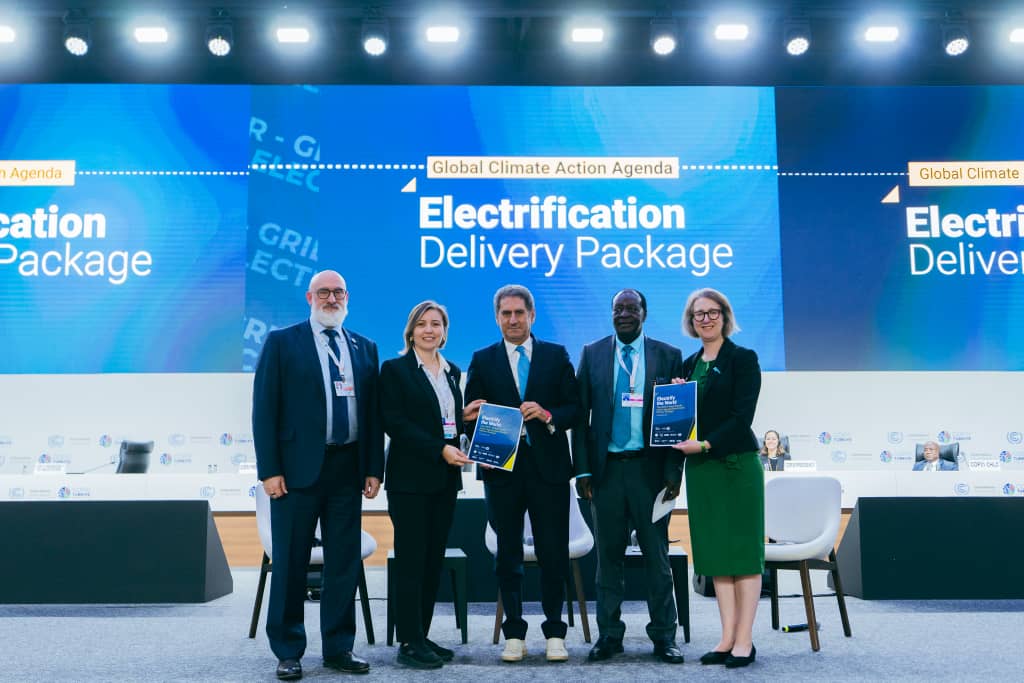
“Year on year, the Action Agenda is a power station of progress, and COP31 has already supercharged real-world results, turning commitments into investment, infrastructure and progress people can feel,” Stiell said.
He noted that governments, cities, businesses and investors had worked together across the six thematic areas of the Action Agenda, covering agriculture and food systems, urban resilience, infrastructure and water, among other priorities.
According to him, progress across these areas would strengthen global efforts to achieve the targets established at the first Global Stocktake and prepare countries for the second.
COP31 Unveils $156bn Electrification Investment Plan
A major highlight of the event was the announcement of the COP31 Global Climate Action Agenda Electrification Delivery Package, developed by UN Climate Change, the Climate Champions and partners under Axis One of the Action Agenda.
The package outlines new actions and progress across electricity generation, power grids, transport, buildings and industry.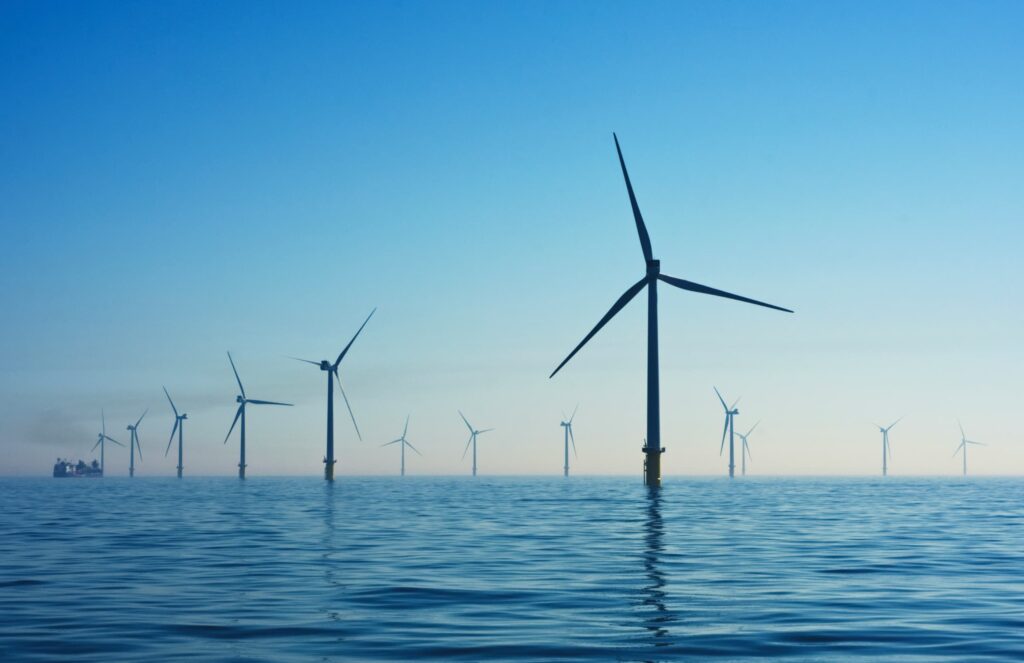
Stiell disclosed that members of the Utilities for Net Zero Alliance (UNEZA) had announced combined annual investment plans of at least $156 billion for electricity grids, renewable energy and energy storage.
The investment represents a five per cent increase from the previous year and a 35 per cent rise compared with 2024.
He also revealed that more than 21,000 kilometres of new electricity grids had been deployed in 2025 through UNEZA members.
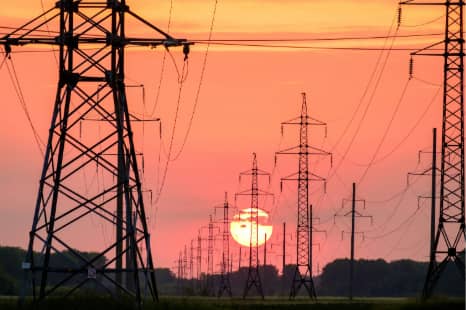
“Electrification is a huge efficiency booster, helping bring down greenhouse gas pollution and energy costs, and tackle grave injustices in energy access,” he said.
The delivery package also highlighted developments in the transport sector, where 13 zero-emission freight corridors are under development across six continents, covering more than 29,000 kilometres of roads.
Climate Action Records Progress Across Key Sectors
Beyond electrification, Stiell highlighted progress in agriculture, forest conservation and waste management as evidence of growing global efforts to address climate change.
He said regenerative agriculture programmes now cover 66 million hectares across 116 countries, with nearly $2.3 billion deployed to support implementation.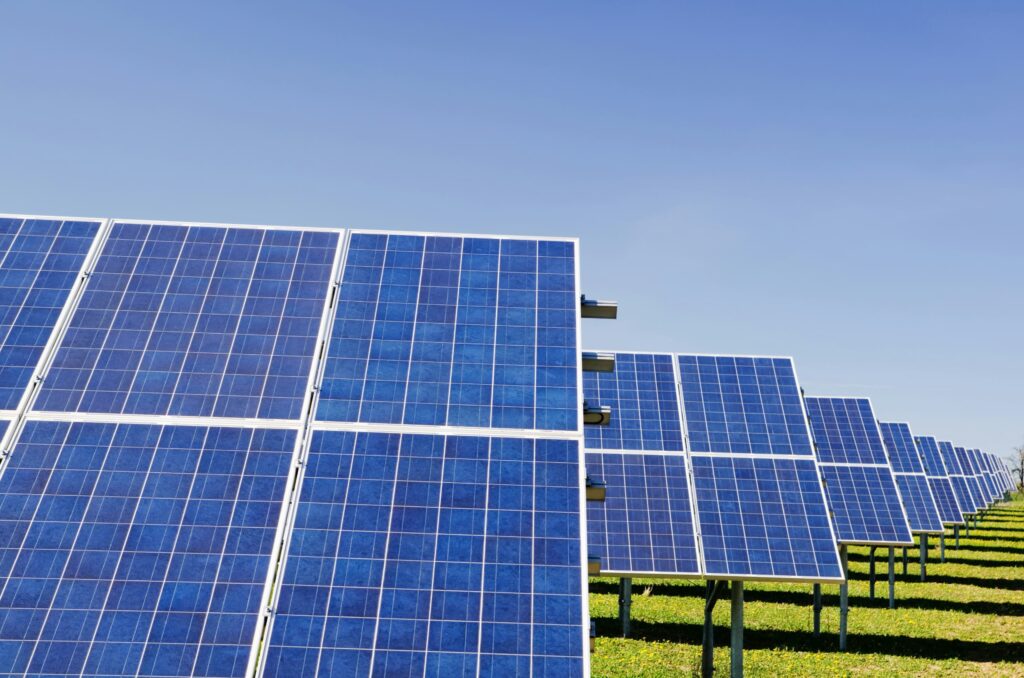
On forest conservation, the Tropical Forest Forever Facility reported just under $500 million in new commitments, bringing its total capitalisation to more than $8 billion.
He also disclosed that 20 districts across Africa, Asia, Latin America and the Caribbean were piloting local approaches to waste reduction, reuse, repair and recycling through the Istanbul Zero Waste Action Platform.
According to Stiell, updates to the Yearbook of Global Climate Action and the NAZCA Evidence Portal are also helping document and track progress recorded at COP31.
Stiell Calls for Wider Access to Climate Action
The UN climate chief stressed that the benefits of climate action must extend to every country, particularly vulnerable developing nations that continue to face challenges accessing affordable finance and technology.
“Today is a lightbulb moment for our global climate push. Bringing vast benefits to people everywhere, from cheaper energy costs to cleaner air and better health,” he said.
“We now need to carry this momentum to every country, so billions more people can share in the vast dividends of climate action,” he added.
Stiell further emphasised the importance of ensuring that workers and local communities participate in decisions surrounding major economic and environmental transitions and receive adequate support throughout the process.
He acknowledged that many developing countries still face difficulties participating fully in the Global Climate Action Agenda, stressing the need for inclusive implementation across all regions.
To address this, he invited countries, on a voluntary basis, to share designated focal points with the UN Climate Change Secretariat to help connect them with opportunities under the Action Agenda throughout the year.
Climate Weeks to Strengthen Global Cooperation
Stiell also disclosed that UN Climate Change was working with organisers of other Climate Weeks to strengthen collaboration and sustain climate action between annual COP conferences.
He said a joint statement had been released during the week, committing participating organisations to strengthen collective action between COP meetings and improve the contribution of Climate Weeks to the Global Climate Action Agenda.
“We have never had better tools to meet humanity’s hardest collective task, or more to gain from succeeding,” he said.
He urged countries and stakeholders to accelerate implementation and ensure that available climate solutions reach more people.
“Now we need to work to put those tools in the hands of every nation and billions more people.
“Let’s release the full power of the Action Agenda to help us do so,” Stiell added.


