
Tracka has raised the alarm over a suspected multi-million naira budget fraud in Niger State. The budget tracking organization revealed that N400 million was disbursed for the renovation of Government Day Secondary School (GDSS) in Diko, Gurara Local Judiciary Area, yet no single rehabilitation project has been executed on the ground.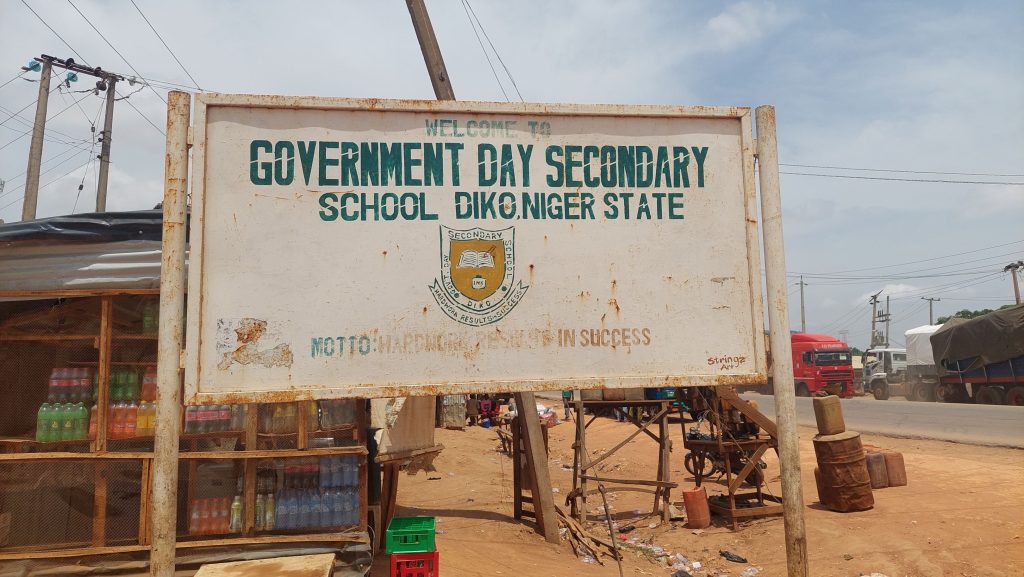
The group uncovered this discrepancy during its recent monitoring exercise, noting that despite the 87.4% fund release documented in official state records, the school remains in a dangerous state of disrepair.
A Dilapidated Haven for 14 Communities
GDSS Diko is the only public secondary school serving approximately 14 different communities within the Gurara local government area. Despite its strategic importance to the region’s educational advancement, the institution has remained a symbol of systemic neglect.
Tracka first documented the school’s completely dysfunctional and dilapidated state during a field visit in 2020. Over half a decade later, students are still forced to learn in terrible conditions. Classrooms completely lack doors and windows, roofs are actively collapsing, and ceilings have been ripped off, forcing many students to sit on the bare floor during lessons.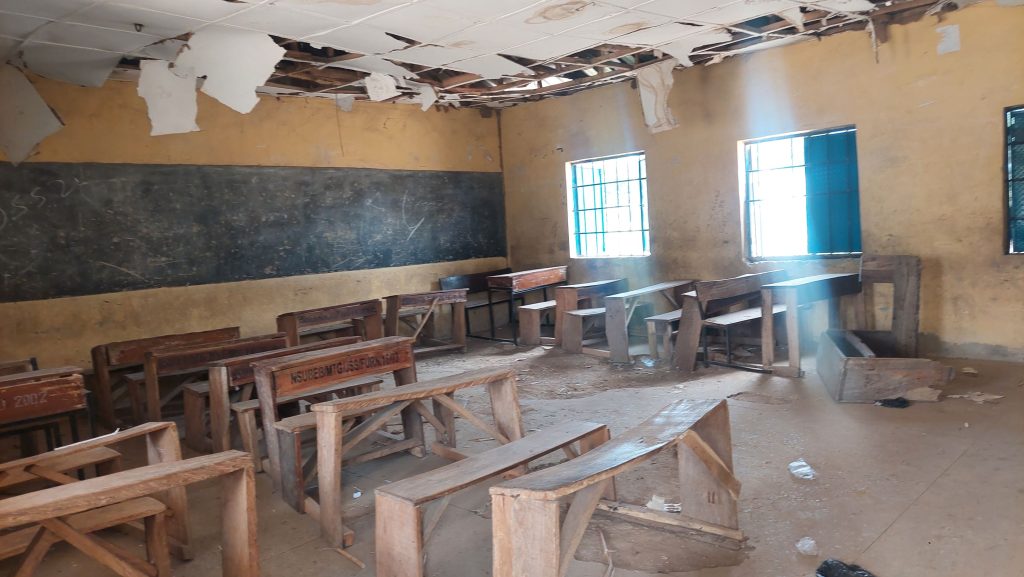
Furthermore, the absence of a perimeter fence leaves both students and teachers highly vulnerable to security threats, an issue of heightened concern given the ongoing insecurity challenges across Northern Nigeria.
The N457 Million Budget Discrepancy
Hope loomed for the institution when GDSS Diko appeared in the Niger State Budget with an allocation of N457.6 million specifically for its comprehensive renovation. According to the state’s official Budget Implementation Report, the government swiftly acted on this financial commitment.
The public accountability group, however, pointed out a stark contradiction between official paperwork and reality.
“According to the state’s Fourth Quarter Budget Implementation Report, N400 million, representing 87.4% of the allocated funds, has already been disbursed. But the shocking reality is that there is absolutely no evidence of project execution on the ground. No contractor, no ongoing work, no rehabilitation. Nothing,” Tracka stated in an official dispatch.
In a bid to verify if work had been redirected elsewhere, tracking officers visited both the senior secondary section and the relocated junior secondary arm situated over three kilometers away. Both facilities exhibited the same abandoned, unsafe, and neglected infrastructure.
A Growing Pattern of Subverted Public Funds
The watchdog group expressed deep worry that the situation in Niger State is not an isolated incident, but rather a reflection of a wider, systemic failure of governance across various tiers of government.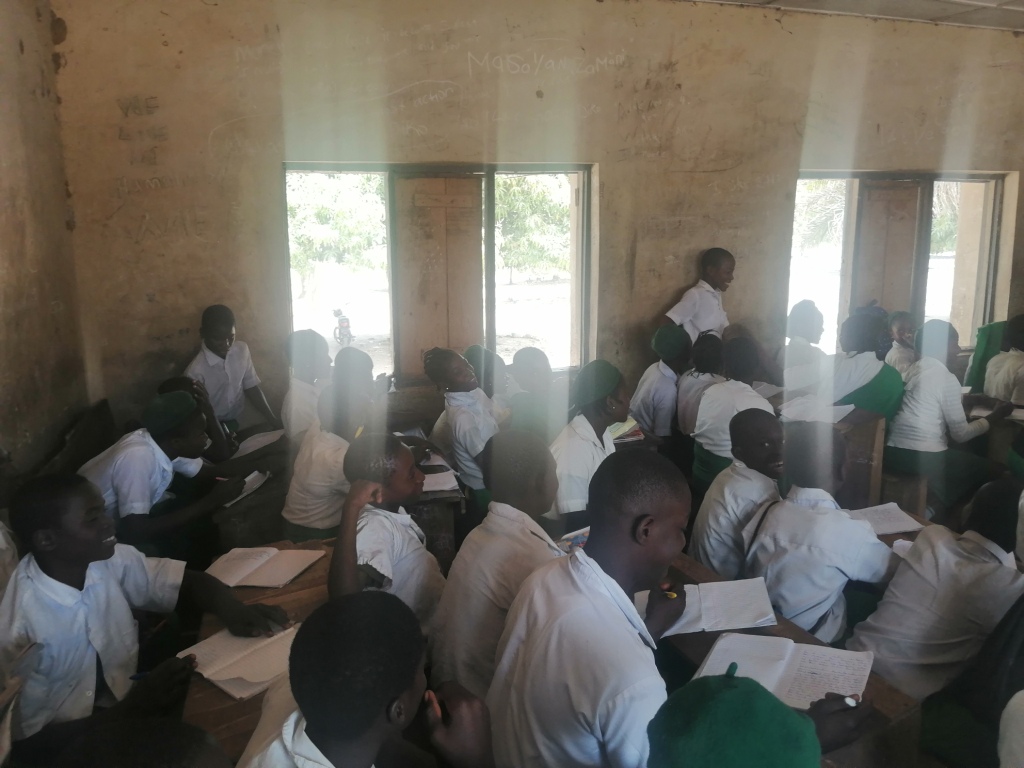
“Sadly, this is gradually becoming a disturbing trend across several states,” Tracka noted. “Despite increasing allocations and rising public revenues, citizens continue to see little or no corresponding development in critical sectors like education, healthcare, and infrastructure. How can N400 million be reportedly spent while children continue learning in collapsing classrooms without furniture or security? Who received the funds? Who certified the project performance? Where exactly was the money spent?”
Calls for EFCC and ICPC Intervention
Frustrated by the lack of transparency from the Niger State Government led by Governor Mohammed Umar Bago, Tracka has officially called on Nigeria’s premier anti-graft agencies—the Economic and Financial Crimes Commission (EFCC) and the Independent Corrupt Practices and Other Related Offences Commission (ICPC)—to step in immediately.
The accountability organization demanded a full-scale forensic investigation into the contract awards, fund disbursements, and the individuals who certified the phantom project as completed. They stressed that Nigeria cannot continue budgeting for progress while rural communities remain trapped in forced underdevelopment, asserting that public funds must be made to work for the welfare of everyday citizens.
Share this