
While the glitz of the city center defines much of Nigeria’s capital, the Ruwaza community in the Kwali Area Council remains trapped in a grueling daily struggle for survival. Recent reports and verified images from the settlement reveal a dire humanitarian situation where nearly 4,500 residents are living without access to clean water, electricity, or basic healthcare.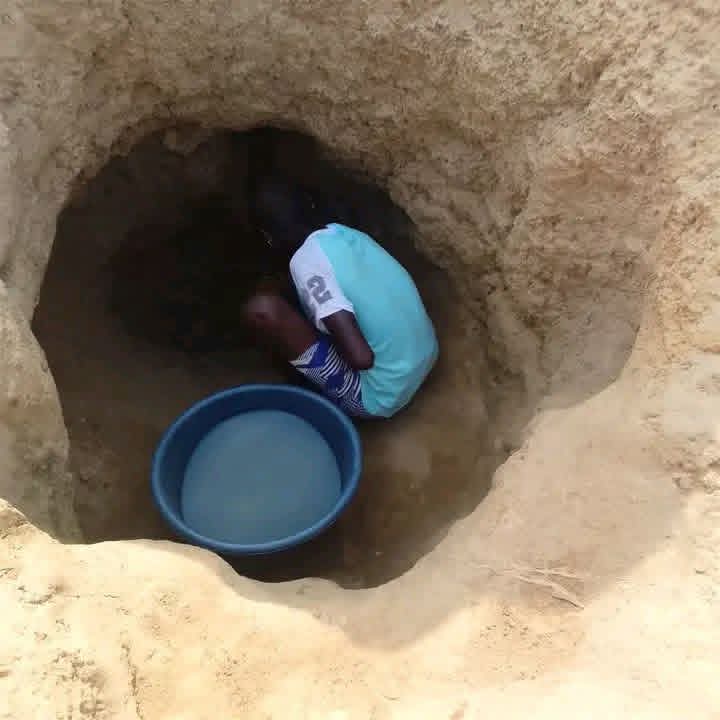
A Desperate Search for Water
The primary crisis facing Ruwaza is the total absence of potable water. Currently, women and children are forced to trek long distances to reach the community’s sole water source: an almost dried-up hole in the ground. The scarcity has created a bottleneck that forces residents to spend hours waiting for a few liters of turbid water.
The community’s woman leader, Mrs. Anatu, highlighted the physical and emotional toll the shortage has taken on families.
“Our children have suffered from the lack of water. Even the ground does not bring water well. We have to line up and queue for a long time before we can get water for use at home,” Mrs. Anatu stated.
Health and Educational Risks
The consequences of using untreated water from open pits are already manifesting in the community’s health. One resident recounted the harrowing experience of her child falling ill due to the unsafe water, a sentiment echoed by many others who fear for their lives every time they consume the liquid.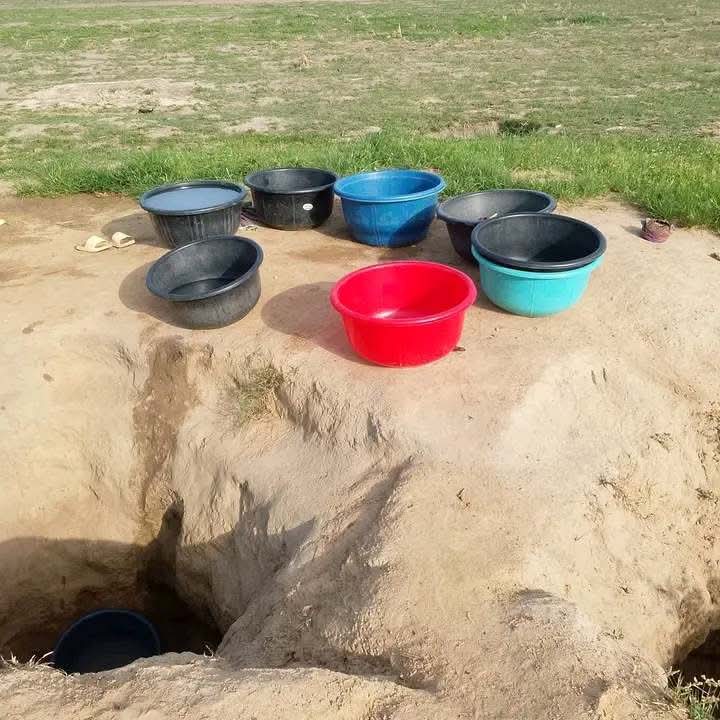
The health crisis is compounded by a total lack of healthcare facilities within the settlement, leaving residents with nowhere to turn during emergencies.
Education is also under threat. While a primary school exists, the path to further education is obstructed by distance. Students seeking to attend junior or senior secondary school must travel at least 17 km to neighboring communities. This logistical nightmare has led to a high dropout rate, particularly among young girls, as families remain hesitant to send their children on such a perilous journey.
A Call for Urgent Intervention
Ruwaza remains a community in the dark, with no electricity supply and crumbling infrastructure. The neglect has prompted community leaders and advocates to call on high-ranking officials for immediate relief.
Residents are specifically imploring the Minister of the FCT, Nyesom Wike, alongside Hon. Danladi Chiya and Hon. Abdulrahman Ajiya, to prioritize the provision of boreholes, a functional clinic, and accessible secondary education to prevent the further marginalization of the Ruwaza people.
Share this


