
By Esther Olaoluwa |
Lagos State Governor, Babajide Sanwo-Olu, has unveiled new reforms in health insurance and digital healthcare as part of efforts to expand access to quality and affordable medical services across the state.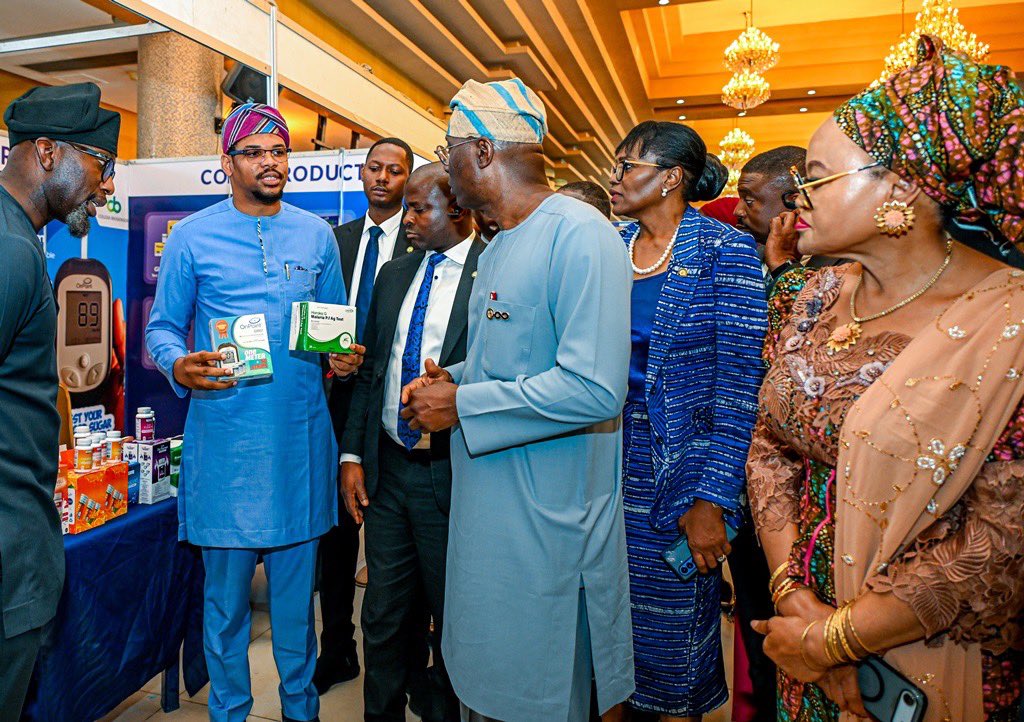
Sanwo-Olu announced the reforms on Thursday at the opening of the Second Eko Health Convention 2026, held at the Oriental Hotel, Victoria Island, Lagos.
The governor said his administration was moving beyond the construction and delivery of healthcare projects to building sustainable systems that would ensure residents receive quality healthcare regardless of their income or location.
The two-day convention, organised by the Lagos State Ministry of Health, has the theme, “Building a Healthier Lagos: Connecting Access with Excellence,” with “Leveraging Digital Innovation and Strategic Partnerships for Better Outcomes” as its sub-theme.
Lagos Targets Wider Health Insurance Coverage
Sanwo-Olu identified mandatory health insurance as a major pillar of the state’s efforts to achieve universal health coverage.
He said the state was working to connect healthcare access with quality through expanded health insurance coverage, digital innovation, stronger regulation and partnerships.
The governor noted that many Nigerians still depend heavily on out-of-pocket payments when they need medical treatment, describing the situation as unsustainable.
“Roughly three-quarters of what is spent on healthcare comes directly from the pockets of citizens at the point of illness. That is not the kind of health financing system we want,” he said.
According to him, health insurance allows funds and risks to be pooled so that healthcare costs can be shared among healthy and sick, young and old residents.
Sanwo-Olu disclosed that more than 1.5 million Lagos residents had enrolled in the Lagos State Health Scheme, with women making up more than half of the beneficiaries.
He expressed optimism that increased enrolment would improve access to healthcare while protecting residents from the financial burden associated with serious illnesses.
Digital Platforms to Support Healthcare Delivery
The governor highlighted initiatives introduced to make health insurance and healthcare services more accessible.
These include Ilera Eko EasyPay, which enables residents to pay health insurance premiums in instalments; the Equity Fund, which supports premium payments for vulnerable residents; and the LASHMA Assistance in Distress initiative, which enables emergency patients to receive treatment while payment concerns are subsequently addressed.
Sanwo-Olu urged the Lagos State Health Management Agency to sustain efforts to expand health insurance coverage across the state.
He also said Lagos was embracing digital transformation through the Smart Health Information Platform (SHIP), which is expected to integrate medical records across Primary Healthcare Centres, General Hospitals and Teaching Hospitals.
Health Districts Bring Administration Closer to Residents
On healthcare infrastructure, Sanwo-Olu said the state had continued to decentralise healthcare administration through six Health Districts.
He said the approach was bringing decision-making closer to communities, improving patient satisfaction and reducing waiting times.
According to him, Maternal and Child Centres, mobile medical outreach programmes and climate-smart Primary Healthcare Centres are also expanding access to healthcare.
He added that major projects, including the Massey Children’s Specialist Hospital, Lagos Mental Health Institute and other General Hospitals, were nearing completion.
Lagos Shifts to Proactive Healthcare System
Earlier, Deputy Governor Dr Obafemi Hamzat said the administration had transformed the state’s healthcare system since 2019 by moving from a reactive approach to a more proactive and resilient model.
Hamzat attributed the progress to investments in healthcare infrastructure, governance and administration under the administration’s THEMES Agenda.
He cited the redevelopment of Massey Children’s Specialist Hospital, expansion of General Hospitals, the 1,500-bed Mental Health Institute and mandatory health insurance programme as evidence of the state’s commitment to universal health coverage.
The Deputy Governor also described the decentralisation of healthcare through the Health Districts as one of the administration’s most impactful reforms.
According to him, bringing administration closer to communities had improved accountability, strengthened data collection and supported community-based health education, particularly in maternal healthcare and referral systems.
Government Approves University of Medicine
The Special Adviser to the Governor on Health, Dr Kemi Ogunyemi, said Lagos had moved from healthcare commitments to implementation, with efforts focused on making healthcare affordable, accessible, data-driven and people-centred.
She said progress had been recorded in primary healthcare, referral systems, emergency preparedness, disease surveillance, workforce development and operational efficiency.
Ogunyemi also disclosed that the state government had approved a stand-alone University of Medicine and Health Sciences as part of efforts to address healthcare workforce shortages.
She stressed that improving technology alone would not be enough without motivated healthcare workers.
Lagos Eyes Healthcare Innovation Hub
The Commissioner for Health, Prof. Akin Abayomi, described the Eko Health Convention as an opportunity to assess progress under the Lagos State Health Sector Strategic Master Plan.
He said projects including the Massey Children’s Specialist Hospital, Ojo General Hospital, Mental Health Institute and Lagos State University of Medicine and Health Sciences were attracting interest from healthcare professionals in the diaspora.
Abayomi said digital transformation through SHIP and the Lagos State Medical Innovation Zone would support Lagos’ ambition to become a major African hub for healthcare innovation, manufacturing and research.
Chairman of the Lagos State House of Assembly Committee on Health, Hon. Musbau Aina-Lawal, commended the Ministry of Health for sustaining the convention and pledged continued legislative support for healthcare reforms.
Technology Reshaping Health Insurance
The Permanent Secretary of the Lagos State Health Management Agency, Dr Emmanuella Zamba, said technology was transforming the state’s health insurance system through digital enrolment, telemedicine, emergency response, electronic authorisation and flexible premium payments.
She said the goal of innovation was ultimately to ensure that access to healthcare was not determined by a resident’s income, location or circumstances.
Meanwhile, the Permanent Secretary, Health District V, Dr Dapo Asiyanbi, said recent reforms had reduced waiting times and improved patient satisfaction.
He said the future of healthcare delivery required bringing services closer to communities.
The Executive Secretary of the Health Facilities Monitoring and Accreditation Agency, Dr Victoria Egunjobi, urged healthcare providers to prioritise patient safety.
She said HEFAMAA was expanding its regulatory approach beyond routine licensing to include accreditation, standardisation, quality assurance and continuous improvement across healthcare facilities.
Former Permanent Secretary of the Lagos State Ministry of Health and Commissioner I, Lagos State Health Service Commission, Dr Olusegun Ogboye, welcomed the continued hosting of the Eko Health Convention, describing it as an important platform for sustaining conversations around healthcare development in the state.
Share this