

The Reaching Out To African Girls Initiative (ROTAGI) has started a computer and Artificial Intelligence (AI) training for 50 girls and young women in Akure, Ondo State, with the organisers hoping to give participants practical skills they can use in school, work and business.
The training began on Monday, September 7, 2026, at Owajoba High School in Isokan Community, Irese Road, Shagari Village, Akure.
The programme, organised under the ROTAGI AI & Digital Bridge Project, is exposing the participants to computers, digital tools and the basics of Artificial Intelligence.
Why the training was started
Founder of ROTAGI, Mrs Olayemi Arokoyo, said the programme was set up because many girls and young women in underserved communities still have limited access to computers and practical digital education.
She said having a smartphone does not always mean that young people have the opportunity to develop useful digital skills, especially where access to electricity, internet services and affordable data remains a challenge.
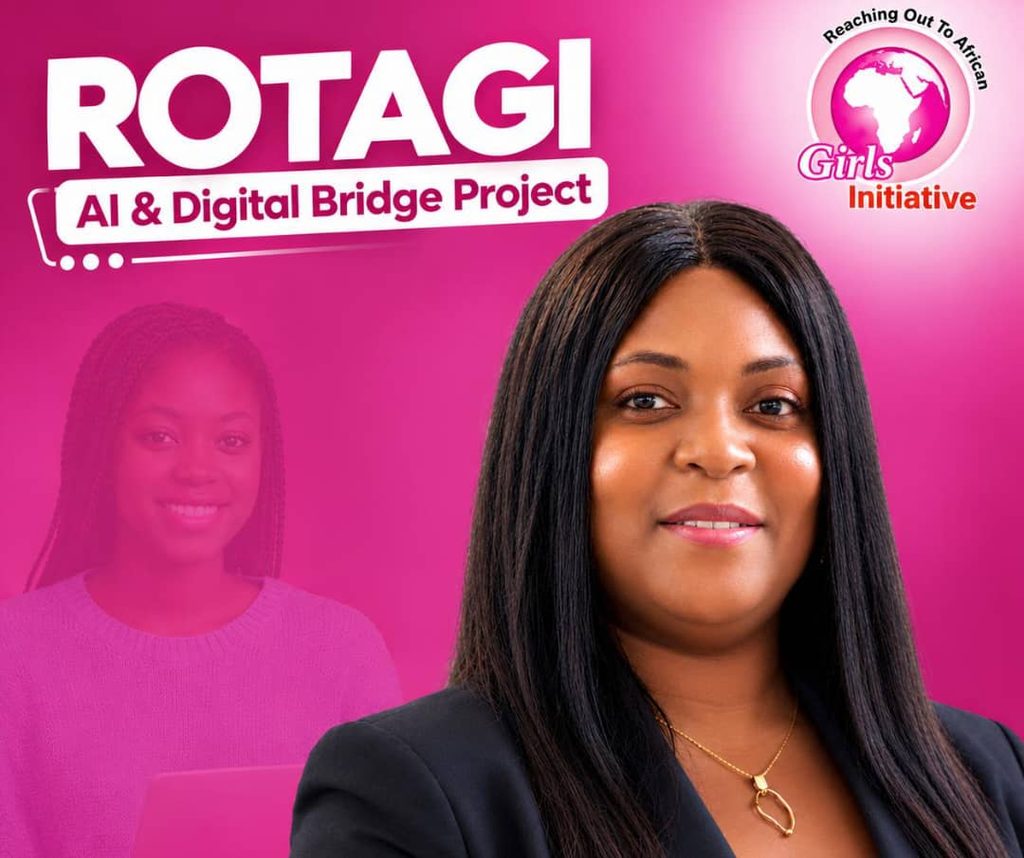
“The ROTAGI AI & Digital Bridge Project was created to address barriers that prevent girls and young women in rural communities from accessing practical digital learning,” Arokoyo said.
She explained that the Akure training was self-funded by ROTAGI, while Owajoba High School provided its computer facilities and space for the programme.
Other local organisations and businesses, including SEALP, Qwerty Printing, SABI Programmer and Central Café Akure, also supported the training.
Arokoyo said the current programme has 50 beneficiaries, but ROTAGI hopes to reach 5,000 African girls and young women by 2028.
She added that the organisation would need more partners and sponsors to take the training to other underserved communities.
Participants speak
For some of the participants, the training is an opportunity to learn something they may not otherwise have been able to afford.
One of them, Tamara Gloria, said she enrolled because she wanted to understand computers and AI better.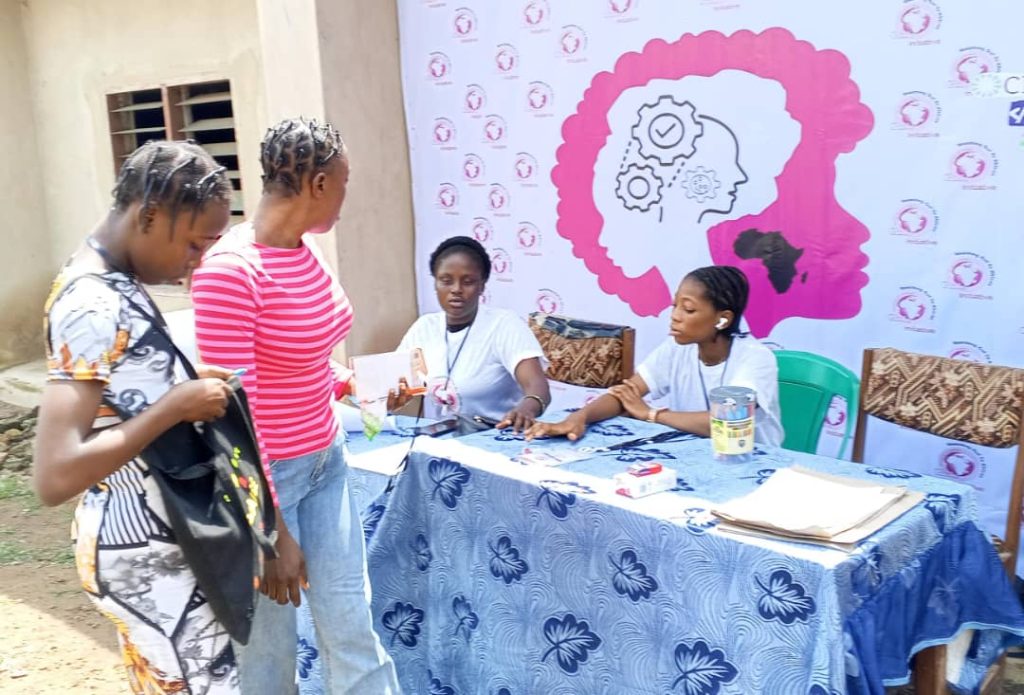
“I’m here for the computer and AI training. My expectations are to learn more about technology and how AI is being recognised in society today,” she said.
Gloria said she was particularly pleased that the training was free.
“For them to bring all the training for free is very innovative. We are not paying a dime for anything, and we are being given this knowledge for free,” she said.
She said she expected the skills to help participants find ways to make money, particularly through digital services such as AI-assisted image editing.
Another participant, Peace Olomola Dorcas, said she joined because she wanted to learn skills that would be useful in the future.
She said the training could also give participants another way to earn an income.
“I can do this as a side job apart from my main job, and it can make me earn some money,” Dorcas said.
More than AI
A volunteer with the programme, Mary Oyetunji, said the training goes beyond introducing the participants to AI.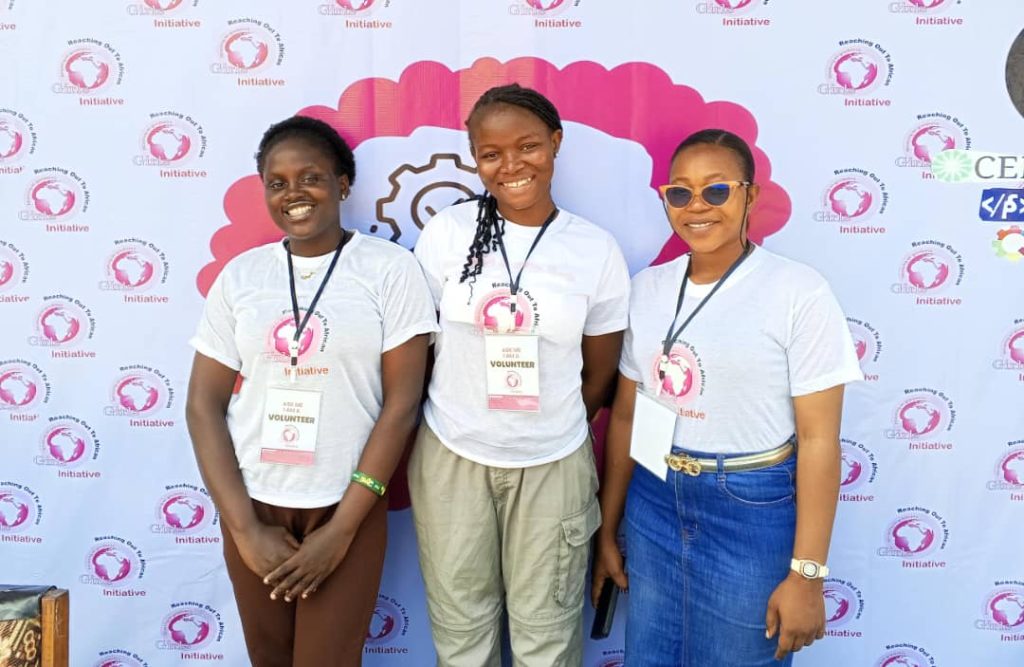
According to her, the girls are also being exposed to graphic design, website development and video editing.
“At the end of this programme, we expect the ladies to be able to know more about AI and computers and acquire skills they can use to generate income for themselves,” Oyetunji said.
She said it was important to get more girls and women interested in technology and give them the opportunity to develop practical skills.
ROTAGI said the programme is expected to help participants build skills that can be useful for education, employment, creative work and small businesses.
The organisation said it hopes to take similar training to more girls and young women who have limited access to digital learning opportunities.
Share this


