

By Michael Omotosho |
Faith and traditional leaders in Kaduna State have pledged to work with the Brain Builders Youth Development Initiative (BBYDI) to promote girls’ education, prevent school dropouts and support married girls and young mothers whose education has been disrupted to return to the classroom.
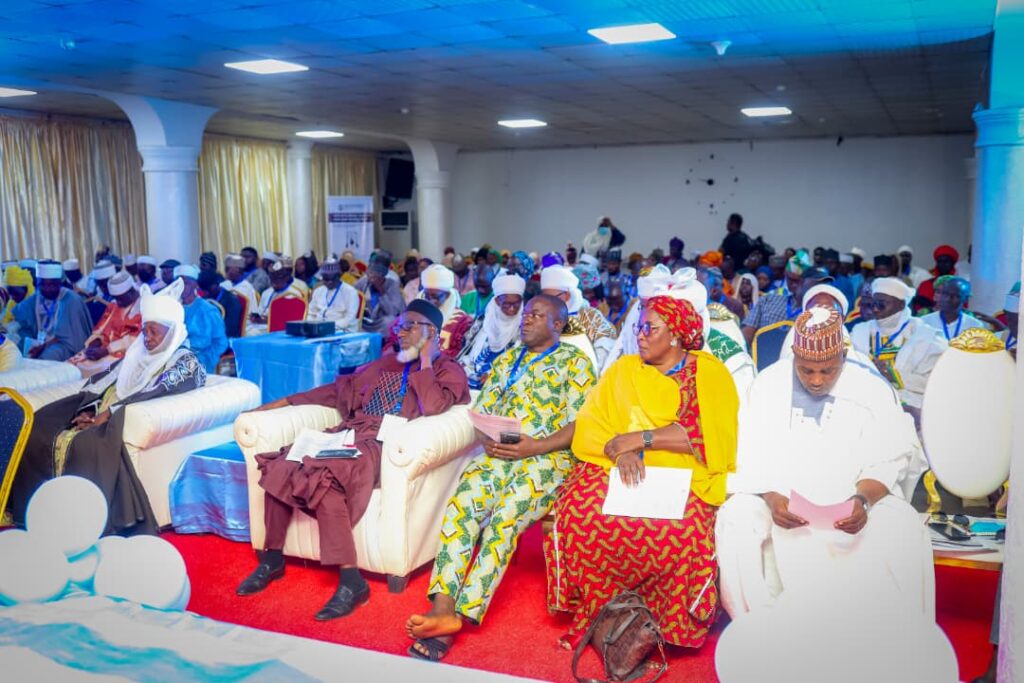
The commitment was made at the inauguration of the Coalition of Faith and Traditional Leaders for Girls’ Education, held at Asa Pyramid Hotel in Kaduna. The coalition was established under BBYDI’s Faith and Tradition for Girls’ Education Project, with support from the Malala Fund.
The initiative brings religious and traditional institutions together to address barriers that prevent girls from accessing and completing their education, particularly child marriage, poverty, insecurity and the stigma faced by young mothers who wish to continue their studies.
Kaduna Government Pledges Support
Governor Uba Sani commended BBYDI for bringing faith and traditional leaders together and pledged the state government’s support for the coalition.
The governor, who was represented by Mallam Abass Shehu, said the government was committed to working with the organisation and other stakeholders to improve girls’ access to education.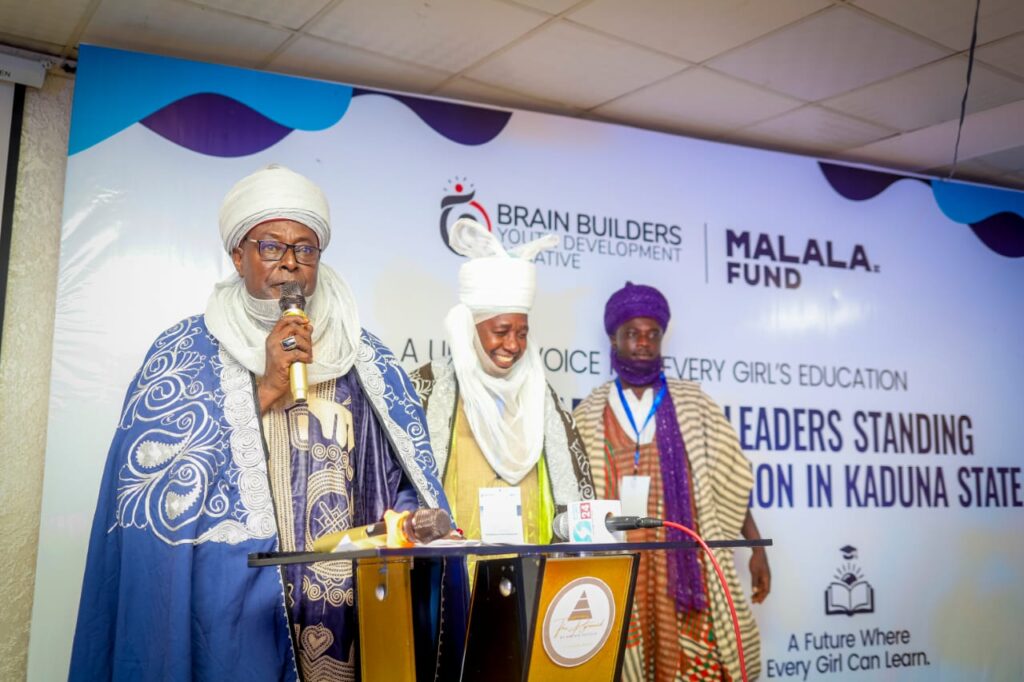
“The State Government pledges its full support and partnership,” Sani said in a goodwill message.
He said the state had provided conditional cash transfers to 46,572 girls to improve school attendance, retention and completion.
The governor also highlighted school construction and renovation efforts through the Adolescent Girls Initiative for Learning and Empowerment (AGILE) and the Reaching Out-of-School Children project, which he said were part of efforts to expand access to education.
Kaduna State Commissioner for Education, Abubakar Sani Sambo, also welcomed the initiative and expressed the ministry’s readiness to work with the coalition.
Sambo said the involvement of religious and traditional leaders could strengthen cooperation between government institutions and communities, particularly in addressing cultural and social practices that prevent girls from completing their education.
He encouraged coalition members to use their influence to persuade parents to enrol their daughters and support them to remain in school. He also highlighted the need to address the challenges faced by girls with disabilities and those from disadvantaged backgrounds.
BBYDI Unveils Toolkit to Promote Girls’ Education
At the inauguration, BBYDI unveiled an advocacy toolkit, including a local-language edition, alongside a coalition charter and terms of reference to guide the group’s activities and responsibilities.
The toolkit is designed to help religious and traditional leaders engage families and communities on the importance of educating girls. It can be used during sermons, congregational meetings, traditional council meetings and community dialogues.
It also provides guidance on why girls drop out of school, how families can help their daughters remain enrolled and what communities can do to support those seeking to return to education.
The coalition charter outlines members’ shared commitments, while the terms of reference provide a framework for their collaboration and activities.
Speaking at the event, BBYDI’s Programme Director, Halimat Olufade, said consultations with faith and traditional leaders across the project’s 12 local government areas informed the formation of the coalition and the development of its guiding documents.
She said the Christian Association of Nigeria (CAN) and Jama’atu Nasril Islam (JNI) had expressed willingness to use their churches, mosques and community platforms to encourage families to prioritise girls’ education.
According to Olufade, the coalition would pay particular attention to married girls and young mothers whose education had been interrupted and who wanted to return to school.
“No girl should have to abandon her education because she becomes a wife or a mother. No girl’s circumstances should permanently close the doors to learning,” she said.
Emirate Reaffirms Support for Girls’ Education
The Emir of Zazzau, Ahmad Nuhu Bamalli, also commended BBYDI for its work on girls’ education in Kaduna, particularly within the Zazzau emirate.
The Emir, who was represented by Sani Yusuf Magaji, the Makaman Malaman Zazzau, said the emirate was open to working with BBYDI and other organisations on practical proposals to improve girls’ access to education.
Magaji said the emirate council had continued to engage parents, guardians, religious leaders and community groups on their responsibilities in ensuring that girls have access to education.
He recalled the efforts of Jafaru Dan Isyaku, a former emir, who dedicated Babban Dodo Primary School as a girls’ boarding school and enrolled his own daughter, Hajiya Talle, in the institution.
He added that district heads, ward heads and officials of the then Zaria Native Authority were also encouraged to enrol their daughters in primary school.
Education Expert Advocates Girls’ Involvement
Rahanatu Lawal, Director of the Gender Policy Unit at Ahmadu Bello University, Zaria, urged the coalition to involve girls and young women directly in designing programmes and shaping policies that affect their education.
She said girls should have the opportunity to explain the challenges they face in accessing education, what would make schools safer for them and the support they need to return after dropping out.
Olufade said the coalition’s success would ultimately depend on the changes it brings to the communities its members serve.
She said progress would be reflected in the number of girls who remain in school and those who, despite interruptions to their education, are able to return and complete their studies.
Share this


