
Nigeria’s Minister of Communications, Innovation and Digital Economy, Dr Bosun Tijani, has assumed the chairmanship of the African Telecommunications Union (ATU) Conference of Plenipotentiaries, marking the beginning of Nigeria’s four-year leadership of the Union’s highest decision-making body.
In a statement issued on Friday, the African Telecommunications Union (ATU) announced that Tijani assumed the position following the successful conclusion of the Seventh Ordinary Session of the Conference of Plenipotentiaries held in Abuja. The Union said he would serve as Chair on behalf of Nigeria throughout the four-year tenure.
The Conference of Plenipotentiaries is the supreme governing body of the ATU and convenes every four years to determine the organisation’s strategic direction. It is responsible for adopting policies, approving the Union’s strategic plan and budget, electing senior officials and taking key decisions that shape telecommunications development across Africa.
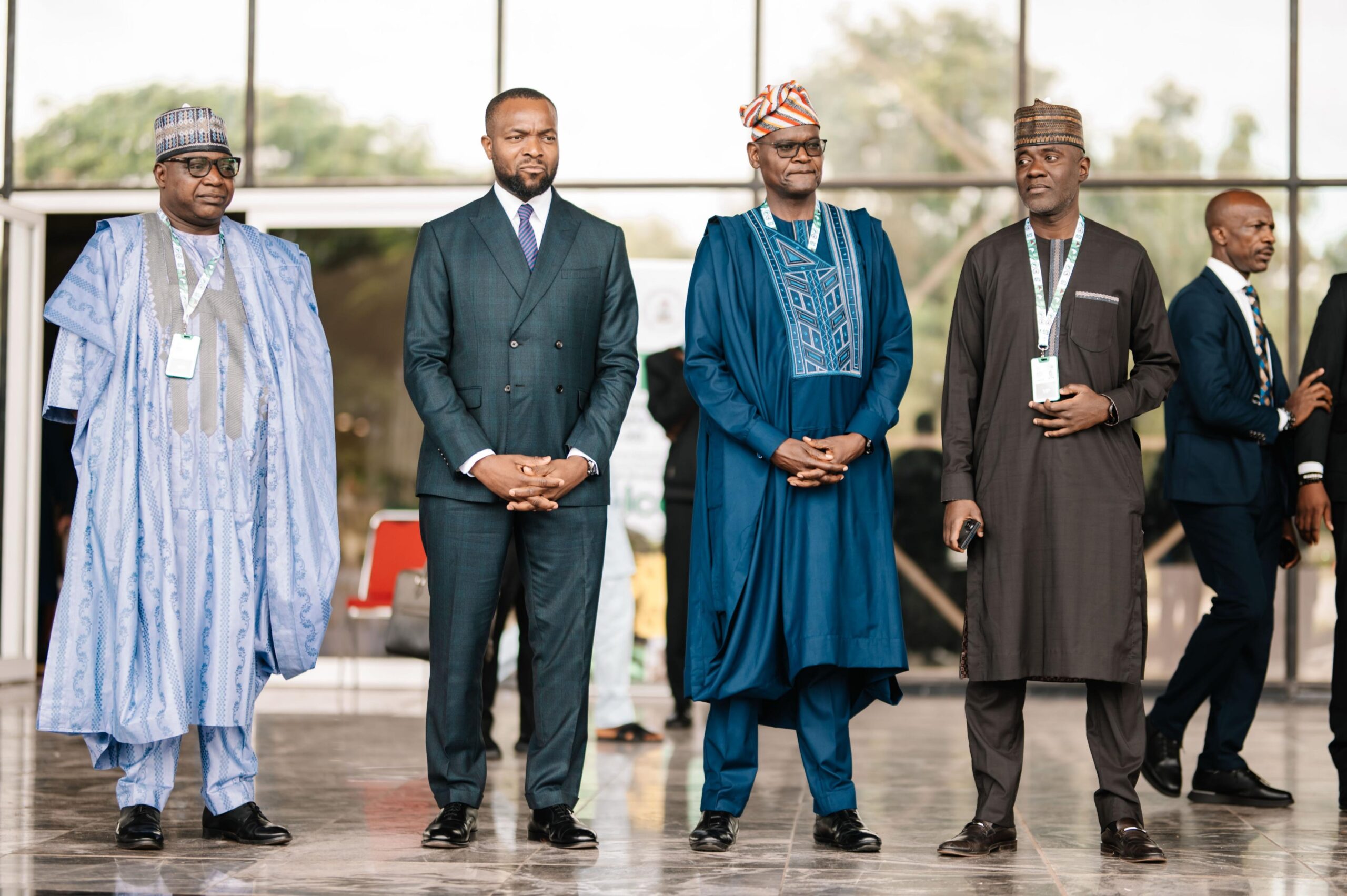
According to the Union, Nigeria’s chairmanship begins as member states move to implement the resolutions and policy decisions adopted during the Abuja conference. These resolutions are expected to guide ATU’s programmes and activities over the next four years while advancing regional cooperation in telecommunications, digital innovation and information and communication technologies across the continent.
Tijani’s Experience and Leadership
ATU described Tijani as a technology policy expert with an academic background that combines economics, computer science and innovation. He studied Economics and Computer Science at the University of Jos before obtaining a master’s degree in Information Systems and Management from Warwick Business School in the United Kingdom. He later earned a doctorate in Innovation Systems from the University of Leicester.
Before joining public service, Tijani co-founded Co-creation Hub (CcHub) in 2011, one of Africa’s leading technology innovation hubs. Under his leadership, the organisation expanded its operations across several African countries and supported hundreds of startups through innovation, entrepreneurship, research and investment programmes designed to strengthen the continent’s technology ecosystem.
Since his appointment as Nigeria’s Minister of Communications, Innovation and Digital Economy in 2023, Tijani has led several initiatives aimed at accelerating the country’s digital transformation. His work has focused on expanding broadband infrastructure, strengthening digital public infrastructure, promoting artificial intelligence, supporting technology-driven innovation and equipping young Nigerians with digital skills needed for the future economy.
The Union noted that these initiatives have positioned Nigeria as one of the countries driving conversations around digital inclusion, innovation and technology-enabled economic development across Africa.
Continental Role and ITU Ambition
Beyond his ministerial responsibilities, Tijani has continued to play active leadership roles within international telecommunications institutions.
ATU stated that he previously served as Vice-Chair of the International Telecommunication Union (ITU) Council in 2025 before becoming Chair of the Council in 2026. He also serves as Co-Chair of the ITU International Advisory Body on Submarine Cable Resilience, where he contributes to global efforts aimed at improving the resilience and security of critical digital infrastructure.

The Union further disclosed that Nigeria has nominated Tijani as its candidate for the position of Deputy Secretary-General of the International Telecommunication Union for the 2027–2030 term. If elected, he would occupy one of the highest leadership positions within the United Nations specialised agency responsible for information and communication technologies.
Member states are expected to elect the successful candidate during the ITU Plenipotentiary Conference scheduled to hold in Doha, Qatar, in November 2026. The Union said Tijani’s emergence as Chair of the ATU Conference of Plenipotentiaries further reflects Nigeria’s growing influence in shaping digital policy, telecommunications development and regional cooperation across Africa.
Share this


