
In a decisive move to halt a rapidly spreading health crisis, the World Health Organization (WHO) and the Nigerian government have launched one of the country’s largest reactive health interventions.
More than 1 million people in the Maiduguri Metropolitan Council (MMC) and Jere local government areas have already received oral cholera vaccines (OCV). The massive mobilization aims to shield families and vulnerable communities from a severe cholera outbreak that has swept through Borno State.
The Scale of the Outbreak
The intervention comes in response to a distressing spike in infections across the region. Since the outbreak was first reported in Borno State, health officials have recorded more than 24,000 suspected cases and 143 deaths across 20 Local Government Areas (LGAs).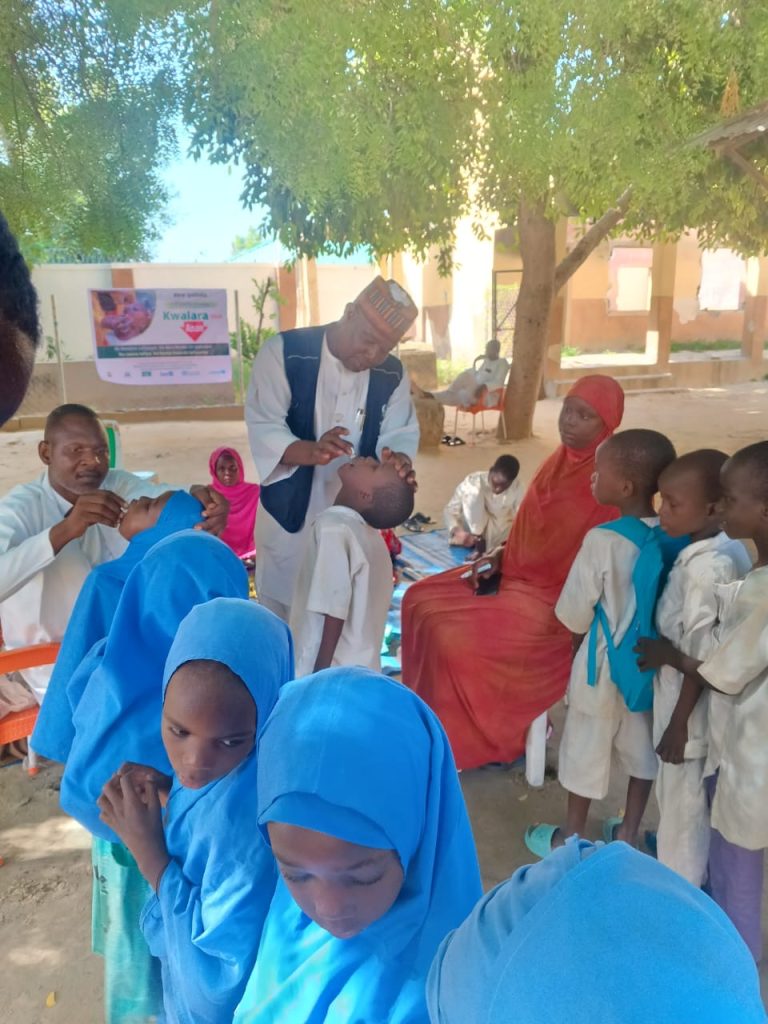
The crisis has heavily concentrated itself within urban centers, with nearly 80 percent of all documented cases originating from MMC and Jere alone, making these areas the primary targets for immediate medical intervention.
A Massive Multilateral Response
To combat the surge, the Government of Borno State, the National Primary Health Care Development Agency (NPHCDA), UNICEF, and the WHO have united with local partners to scale up operations. A total of 3.4 million OCV doses have been allocated to protect individuals above one year of age, marking a significant milestone in the state’s healthcare defense strategy.
An official representative from WHO Nigeria emphasized that the medical community is deploying every available resource to contain the crisis, stating:
“Cholera can be stopped. Today, more than 1 million people have received oral cholera vaccines. Vaccination is only one part of the interventions, and our frontline health workers, community volunteers, and partners are working every day to protect lives in Borno State.”
Comprehensive Relief Infrastructure
Recognizing that vaccines alone cannot eliminate the threat, global health bodies are tackling the outbreak from multiple angles. Backed by funding from the CERF Rapid Response and the Contingency Fund for Emergencies, WHO is actively working with partners to strengthen surveillance, laboratory capacity, active case search, and community engagement.
These coordinated efforts are yielding tangible survival outcomes on the ground. WHO has supported the treatment of an estimated 5,700 cholera cases by providing 29 specialized cholera kits, 30,000 Oral Rehydration Salts (ORS) sachets, and 100 dedicated cholera beds. Through the rapid deployment of this critical treatment infrastructure, emergency medical teams have successfully kept the case fatality rate below 1 percent, saving thousands of lives as frontline workers continue their daily fight against transmission.
Share this