

Researchers, experienced scientists, academics and agricultural development professionals gathered across Nigeria and Kenya for the 29th Annual Symposium of the International Association of Research Scholars and Fellows (IARSAF) to examine climate change, food insecurity and malnutrition and explore innovations for building more resilient agrifood systems across Africa.
Held from November 3 to 5, 2026, the three-day symposium took place at the International Institute of Tropical Agriculture (IITA) headquarters in Ibadan, Nigeria, IITA Kenya and the International Centre of Insect Physiology and Ecology (icipe) in Nairobi, Kenya.
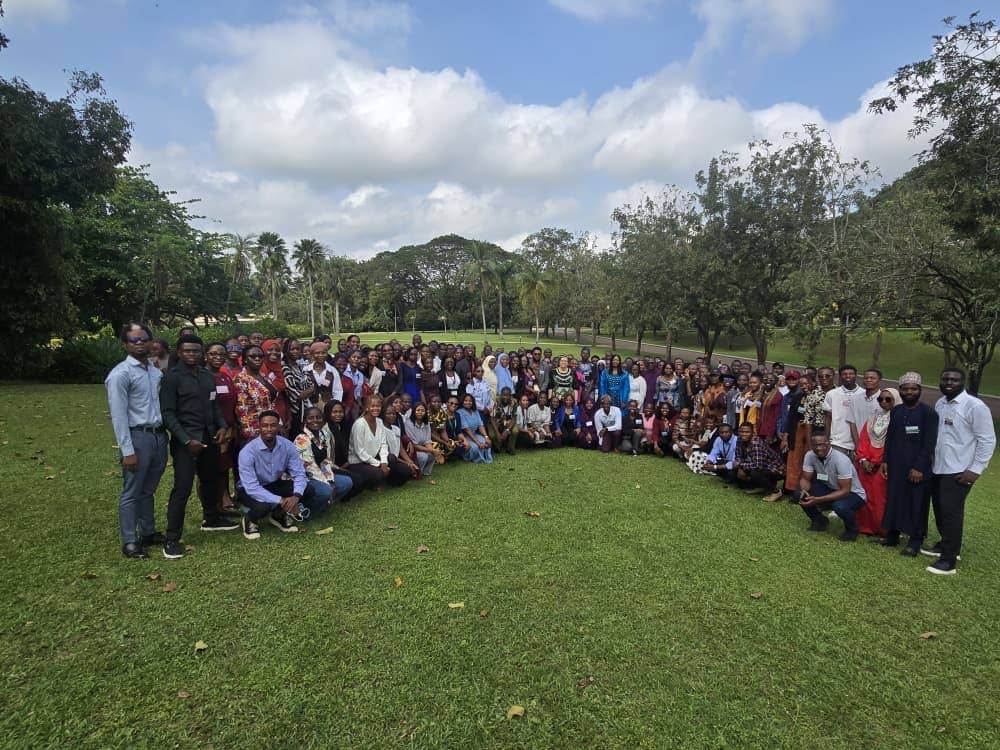
Organised by IARSAF, an association of young researchers and scholars at IITA, the symposium was themed “Productive, Nutrient-Dense and Resilient Agrifood Systems: Scaling Climate-Smart and Nutrition Innovations.”
The gathering provided a platform for scientific exchange, knowledge sharing, mentorship and collaboration, with participants examining how agricultural research and innovation can improve food production, nutritional outcomes and the ability of African farming systems to withstand environmental and economic challenges.
Moving Beyond Crop Yields to Nutrition and Resilience
African agriculture faces mounting pressures from climate change, land degradation, food insecurity and malnutrition, raising concerns about the sustainability and resilience of food production systems across the continent.
The symposium highlighted the need for agricultural research to move beyond increasing crop yields to address food quality, nutritional value and the ability of farmers and food systems to withstand environmental and economic shocks.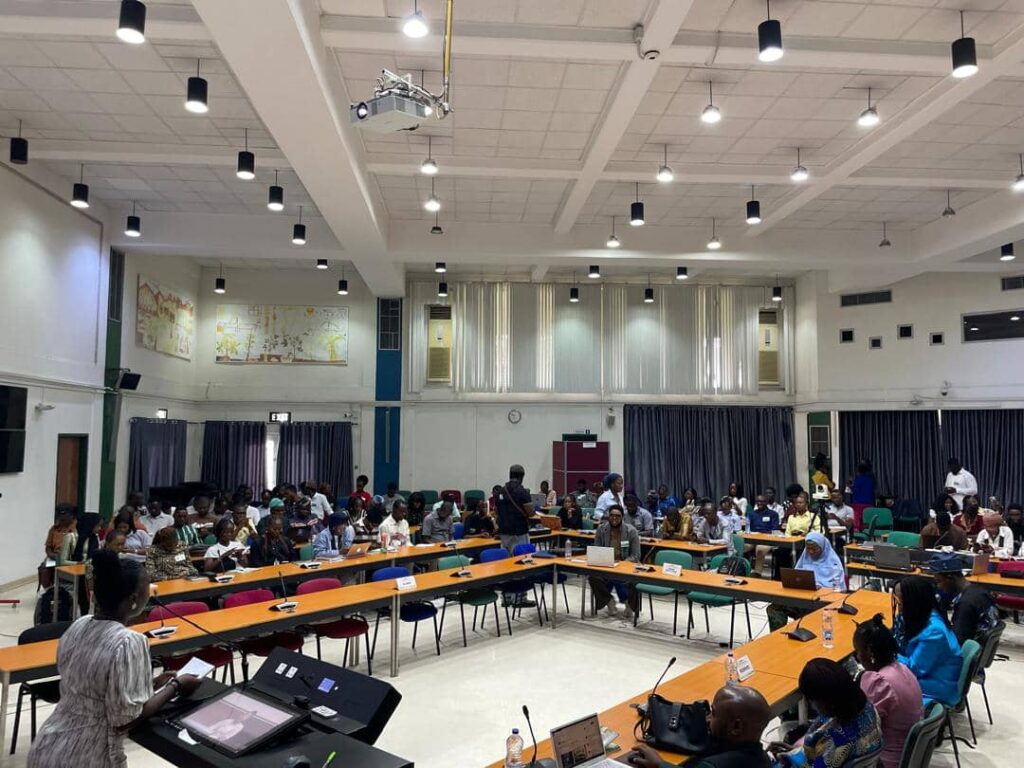
Its central theme reflected the growing recognition that agricultural transformation must deliver multiple benefits, including higher productivity, improved nutrition and greater resilience to climate-related challenges.
Discussions also explored opportunities to scale research-driven innovations that respond to Africa’s changing agricultural needs and translate scientific findings into practical solutions for farmers, communities and other actors across agricultural value chains.
Four Experts Lead Discussions on Agricultural Innovation
The symposium featured keynote speakers with expertise spanning agricultural research and innovation, crop improvement, gender and youth development, and climate adaptation and resilience.
They included Professor Charles Oluwaseun Adetunji, Deputy Vice-Chancellor of the Federal University of Agriculture and Development Studies, Iragbiji, Osun State; Dr Ekemini Obok, Associate Professor of Crop Improvement at the University of Calabar; and Dr Olubukola Precious Idowu, Programme Coordinator for Gender Issues and Youth Development at the Agricultural Media Resources and Extension Centre (AMREC), Federal University of Agriculture, Abeokuta.
Also featured was Dr John Choptiany, Climate Adaptation and Resilience Expert at IITA, Kenya.
Their contributions brought scientific, institutional and social perspectives to discussions on strengthening African agrifood systems and expanding innovations that address the continent’s agricultural and nutritional challenges.
Young Researchers Explore Solutions for African Farmers
Beyond the keynote presentations, the three-day gathering provided opportunities for emerging researchers to engage with experienced scientists and agricultural development professionals, exchange ideas and explore ways to translate research findings into solutions that benefit farmers and communities.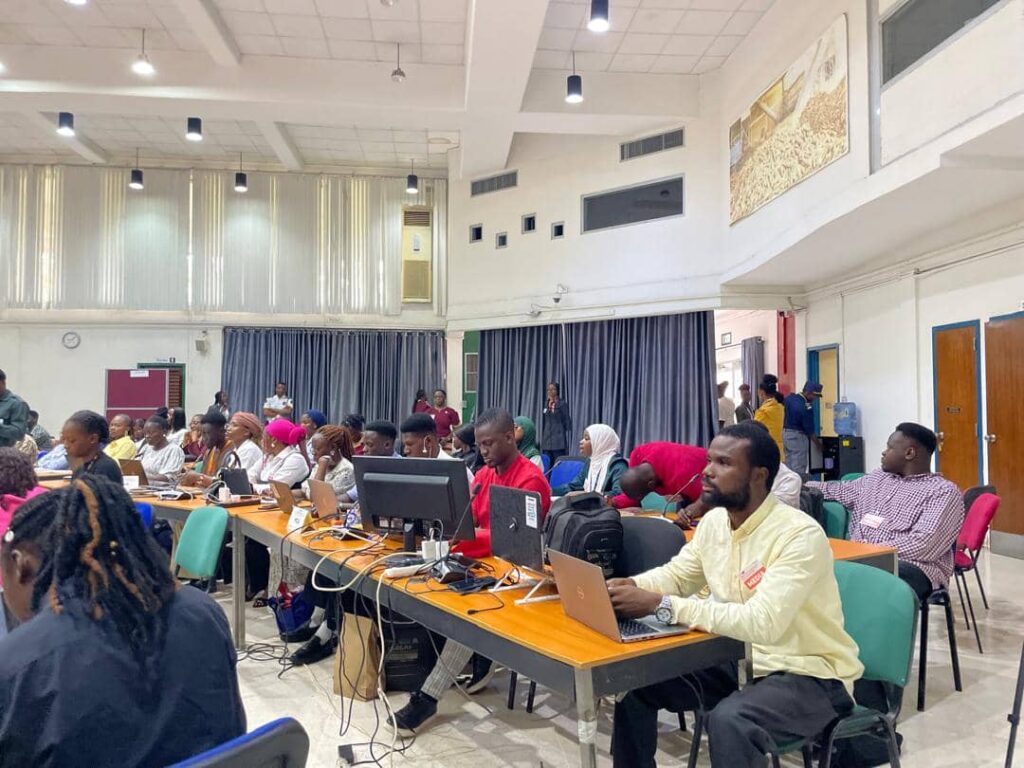
Participants also had opportunities to build professional networks, strengthen research collaborations and examine how scientific discoveries can contribute to agricultural policies, innovation and improved farming practices.
IARSAF, as an association within IITA, plays a role in supporting research scholars and fellows through opportunities to strengthen their scientific capacity, develop professional relationships and contribute to agricultural research and development.
Its annual symposium has become a platform for showcasing emerging research, encouraging interdisciplinary engagement and connecting young scientists with established researchers and development professionals.
Building on Previous Discussions on Climate Resilience
The 29th edition built on discussions from the association’s 28th Annual Symposium, held in October 2025, which focused on climate resilience and nutrition transformation through science and systems thinking.
The previous symposium highlighted the importance of mentorship, research communication, stronger agricultural value chains, agribusiness and ensuring that scientific findings reach the people and communities they are intended to benefit.
Building on those discussions, the 2026 edition further examined how climate-smart agriculture and nutrition innovations can move beyond research findings to contribute to broader development outcomes.
For emerging researchers, the symposium also provided an opportunity to consider how their work can support policymaking, agricultural innovation and the wider development agenda.
Stronger Partnerships Needed to Transform African Food Systems
Across Africa, the need to increase food production while improving nutritional quality and reducing agriculture’s vulnerability to climate change has become increasingly urgent.
Addressing these challenges requires integrated approaches that connect crop improvement, sustainable soil management, climate adaptation, biodiversity, nutrition, gender inclusion and youth participation.
It also requires stronger partnerships among research institutions, universities, policymakers, development organisations, the private sector and farming communities to ensure that promising innovations are accessible, affordable and scalable.
Through its 29th Annual Symposium, IARSAF provided a platform for emerging researchers and agricultural professionals to engage with these priorities and examine the role of science in shaping the future of African agriculture.
The gathering across Nigeria and Kenya reinforced the importance of investing in young African researchers and strengthening scientific collaborations to build agrifood systems that are productive, nutritious, inclusive and resilient.


