In a decisive move to fortify national and global health security, the Federal Ministry of Health (FMoH), in collaboration with the Infectious Disease Institute of Nigeria, hosted a high-level Public Health Symposium today. The event brought together international diplomats, health ministers, and global health experts to exchange critical lessons on pandemic response and resilient infrastructure.
A Unified Front Against Evolving Threats
The symposium served as a platform for Nigeria and the People’s Republic of China to align their strategies against the persistent threat of infectious diseases. Addressing the attendees, the Ambassador of the People’s Republic of China to Nigeria, H.E. Yu Dunhai, warned that the international public health sector remains under significant strain due to virus mutations and the risks of cross-border transmission.
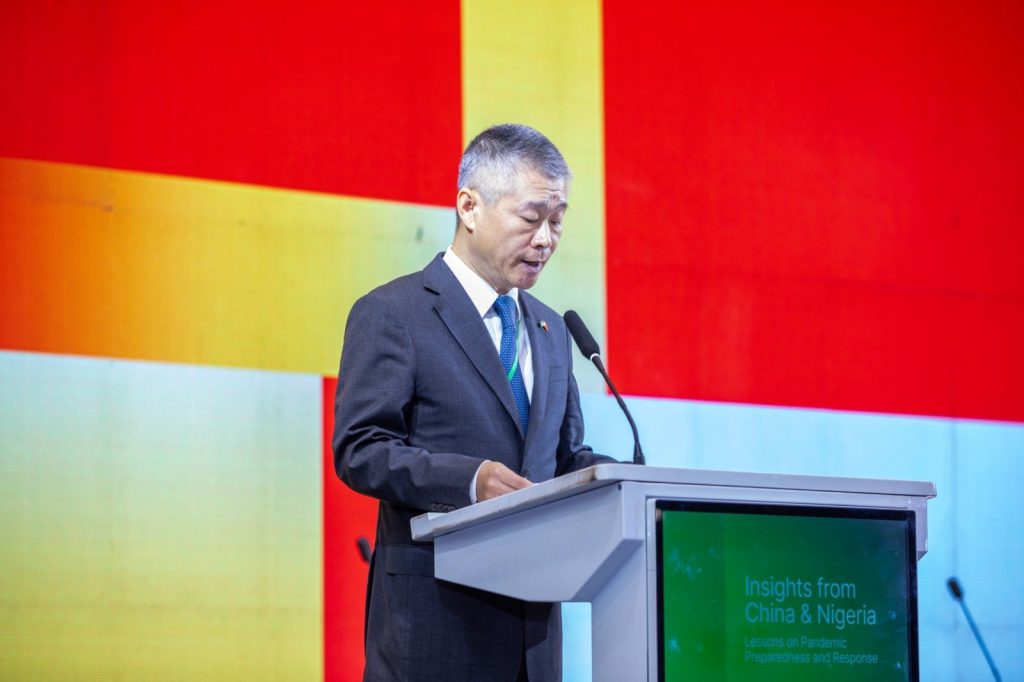
“The international public health sector is under strain, with many countries facing challenges in strengthening their health systems,” Ambassador Dunhai noted, emphasizing that bilateral cooperation is essential to tackling these complex global challenges effectively.
Innovation and Self-Reliance at the Forefront
Nigeria’s Coordinating Minister of Health and Social Welfare, Prof. Muhammad Ali Pate, framed the conversation around the twin pillars of community trust and domestic manufacturing. He argued that technical readiness is insufficient without the support of the citizenry.
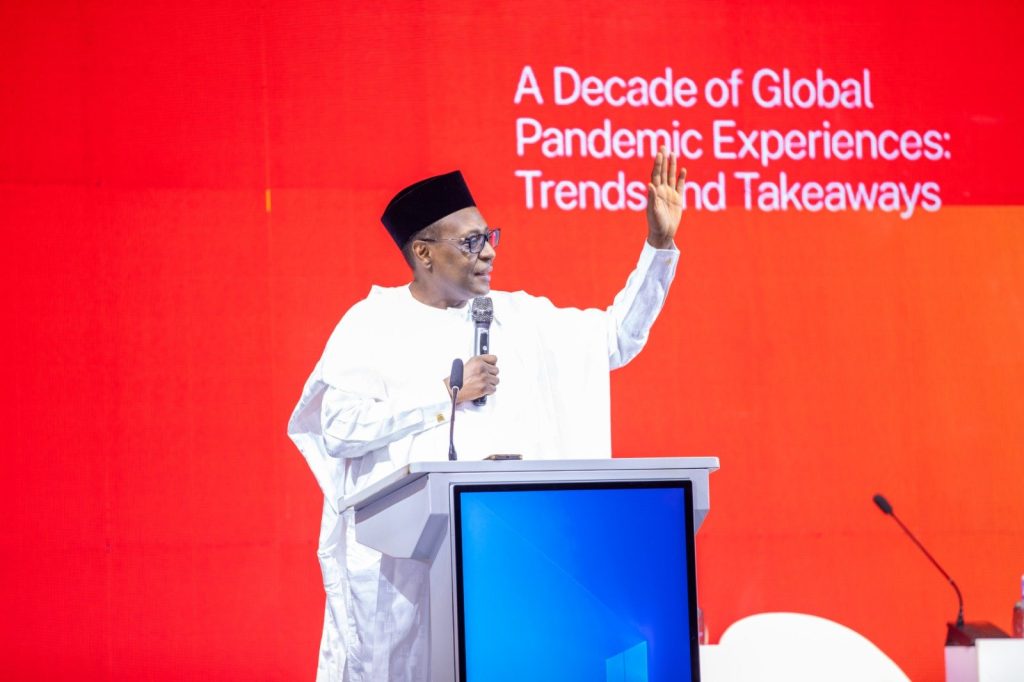
“People are far more likely to follow expert guidance when they trust scientists and are informed through traditional and religious leaders,” Prof. Pate stated.
Beyond social trust, the Minister called for a radical shift toward local capacity, stressing that Nigeria must strengthen its ability to produce diagnostics, therapeutics, and vaccines to ensure self-reliance when global supply chains inevitably fail during a crisis.
The Architecture of Modern Response
Dr. Iziaq Salako, Honourable Minister of State for Health, highlighted that the future of Nigerian health security rests on technology and active community engagement.
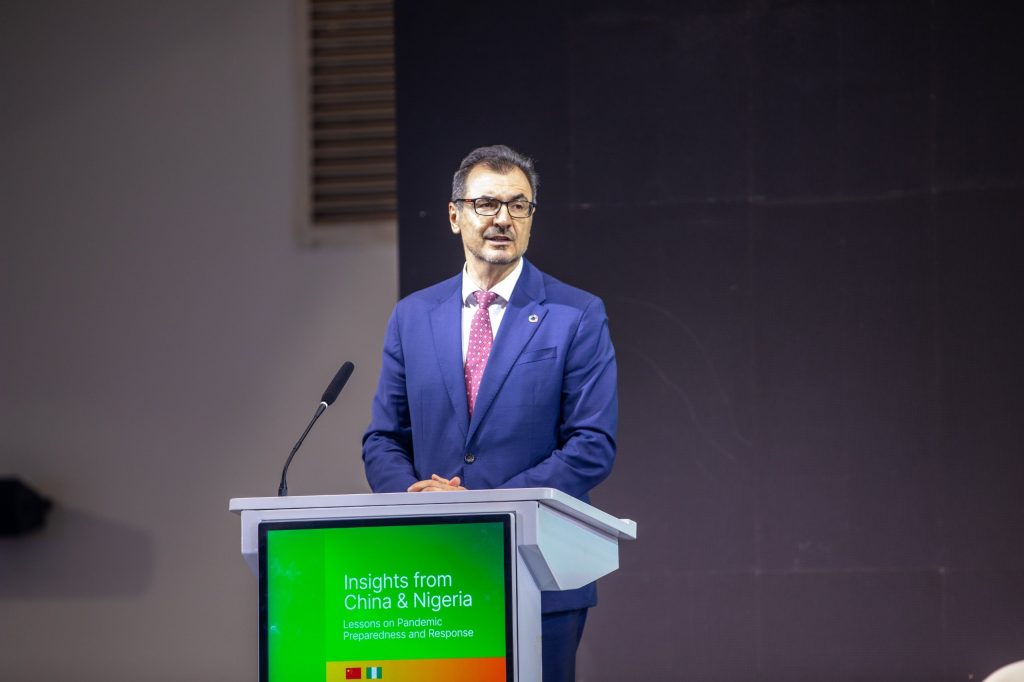
This sentiment was echoed by Dr. Pavel Ursu, Country Representative for the World Health Organization (WHO), who detailed ongoing global efforts to improve disease surveillance and expedite the sharing of scientific data.
Adding a technical perspective, Dr. Nanlop Ogbureke, Executive Director of Resolve to Save Lives Nigeria, reminded stakeholders that preparedness is not an abstract concept but a measurable shared responsibility.
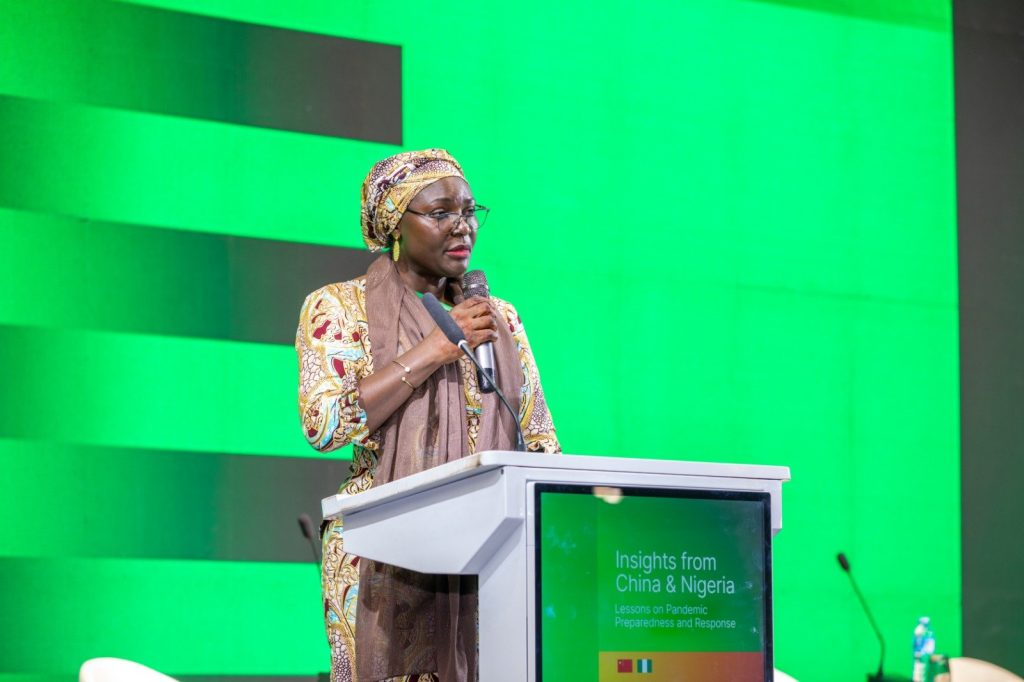
“Pandemic preparedness is built on epidemic prevention, evidence-informed policies, data, law, and operational readiness, with strong government ownership,” Dr. Ogbureke emphasized. She pointed to China’s rapid, coordinated measures as a primary example of the unified action required to protect populations.
Share this