

By Michael Omotosho |
The countdown to Nigeria’s 2027 general elections has officially begun with a high-level intervention aiming to protect the country’s democratic landscape. United Nations Nigeria, alongside key media practitioners and Civil Society Organizations (CSOs), have converged to address severe democratic bottlenecks, including rampant misinformation, hate speech, political violence, and widespread voter apathy.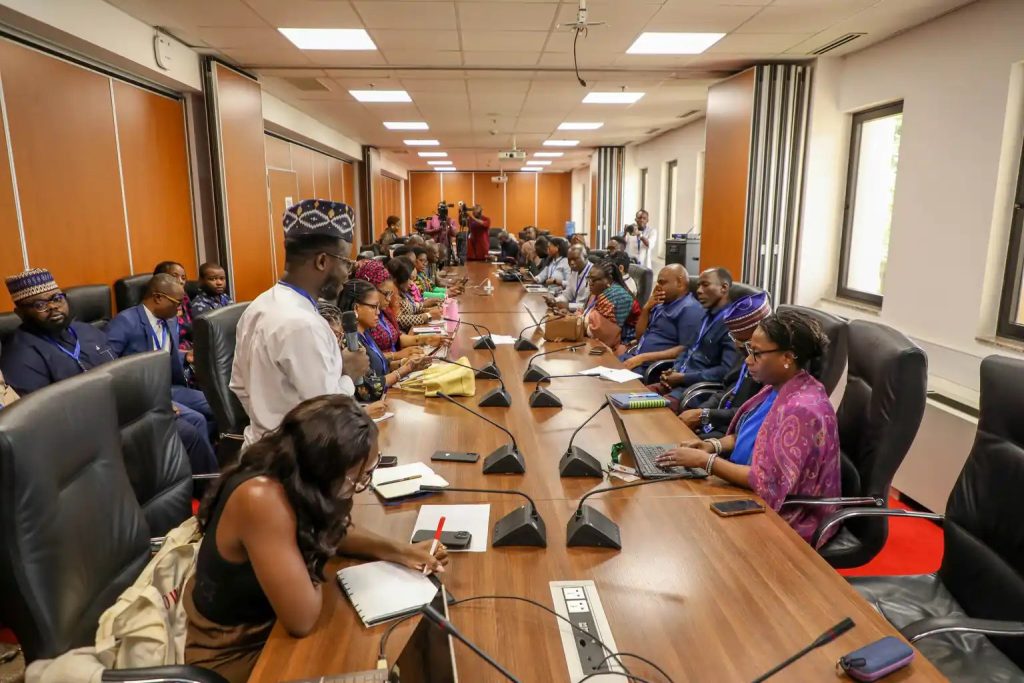
The strategic alliance seeks to establish a bulletproof framework for peaceful, credible, and inclusive polls across the federation.
A Strategic Alliance for Democratic Integrity
Organized by Journalists for Human Rights in collaboration with the UN Human Rights Office, the Media and Civil Society Roundtable Dialogue was hosted under the theme, “Building Stronger Media-CSO Partnerships for Credible, Peaceful, and Inclusive Elections.” The gathering served as an emergency brain trust, uniting active journalists, civic leaders, election officials, and international development partners. Participants focused heavily on breaking down institutional silos to form a united front against forces threatening the integrity of the upcoming electoral cycle.
Protecting the Press on the Frontlines
A major talking point during the dialogue was the escalating danger faced by media professionals who report from the frontlines of Nigerian politics. Freedom of expression was highlighted as the absolute bedrock of any legitimate election, though it remains under constant fire.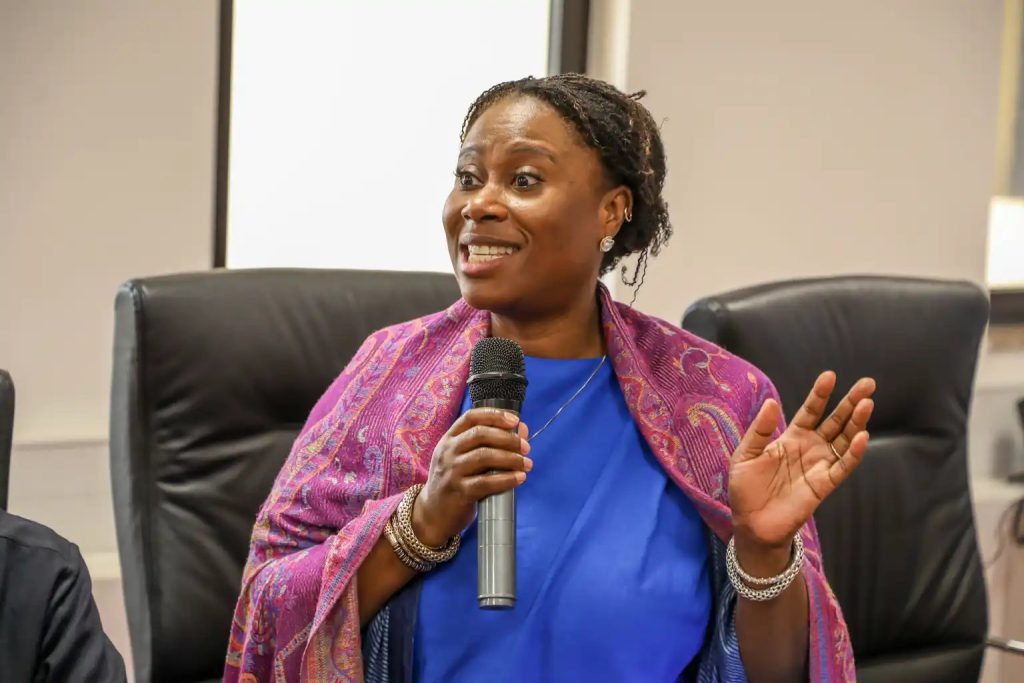
“Free, fair elections depend on freedom of expression yet journalists often face threats and attacks during election coverage,” stated Ms. Adwoa Kufuor, Senior Human Rights Advisor. She further stressed the vital role that journalists play in protecting fundamental human rights and actively countering disinformation and hate speech.
Weaponizing Technology and Training for 2027
To effectively combat modern electoral subversion, the roundtable concluded with a strong call to action regarding capacity building. Stakeholders stressed the urgent need for continuous, specialized training for journalists, emphasizing that traditional reporting skills are no longer enough. The proposed curriculum focuses heavily on mastering cutting-edge artificial intelligence (AI) tools, advanced fact-checking methodologies, and real-time strategies to dismantle both misinformation and deliberate disinformation campaigns before they trigger real-world violence.
Share this


