The Lagos State Government has officially moved to accelerate its socio-economic transformation through the Human Capital Opportunities for Prosperity and Equity (HOPE) Programme.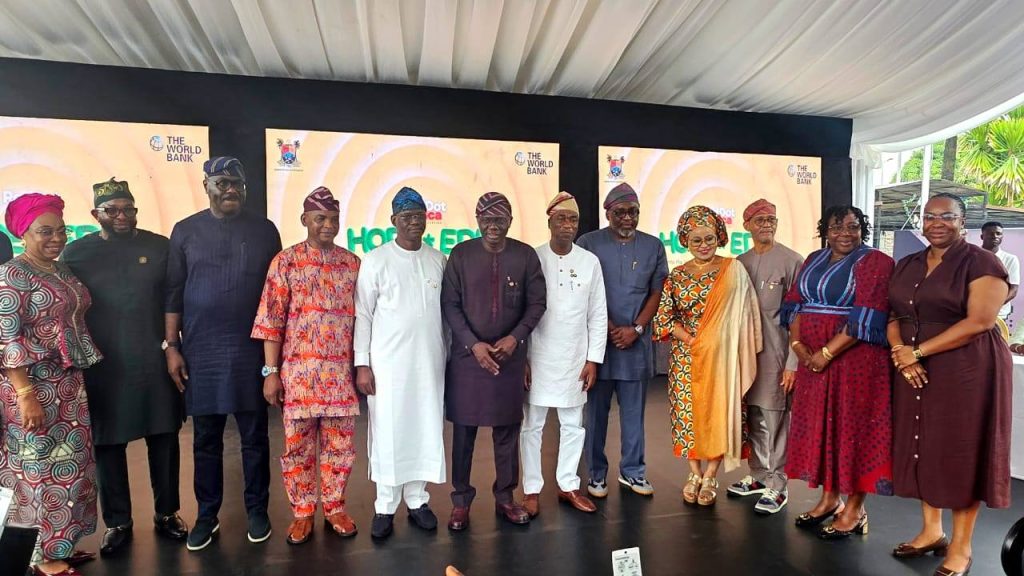
At a high-level session at Government House, Marina, the state presented a strategic reform framework supported by the Federal Government and the World Bank to overhaul the delivery of essential public services.
The initiative is built upon three foundational pillars: HOPE-EDU, which targets basic education; HOPE-PHC, focused on primary healthcare; and HOPE-GOV, aimed at enhancing public sector governance. By integrating these sectors, the administration intends to ensure that government investments yield measurable outcomes and greater transparency for the residents of Lagos.
A Vision for People-Centered Governance
Governor Babajide Olusola Sanwo-Olu, while addressing the assembly of policymakers and development partners, emphasized that the reform is a direct investment in the state’s most valuable asset: its people.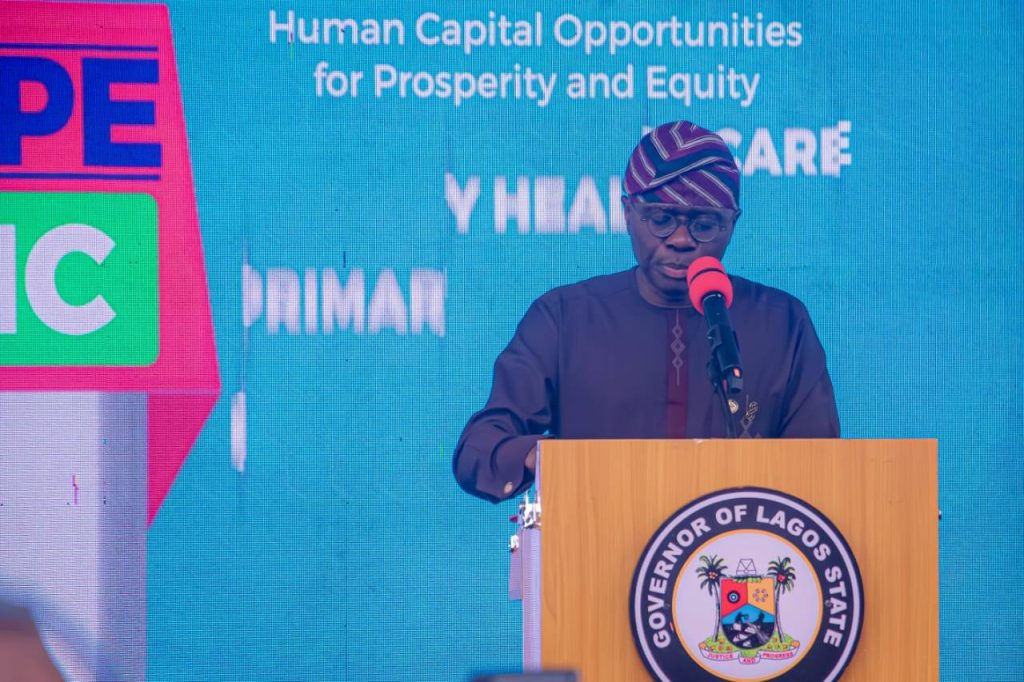
“For us in Lagos, this programme is about people. It is about ensuring that every child has access to the right learning materials, that every mother can receive quality healthcare at our primary health institutions without undue financial burden, and that public resources are managed in a way that is visible, understandable, and trustworthy to all Lagosians,” the Governor stated.
Reinforcing this vision, the Commissioner for Economic Planning and Budget, Mr. Ope George, noted that prioritizing human capital is not merely a social obligation but the central driver of long-term economic growth and social stability in the state.
Transforming Education and Healthcare Infrastructure
The impact of the administration’s current trajectory was highlighted by Hon. Olumoh Saad Lukman, Chairman of the House Committee on Economic Planning and Budget. He pointed to the newly built Tolu Schools Complex in Ajegunle a massive facility comprising 36 schools as a blueprint for the quality of infrastructure the HOPE Programme seeks to replicate across the state.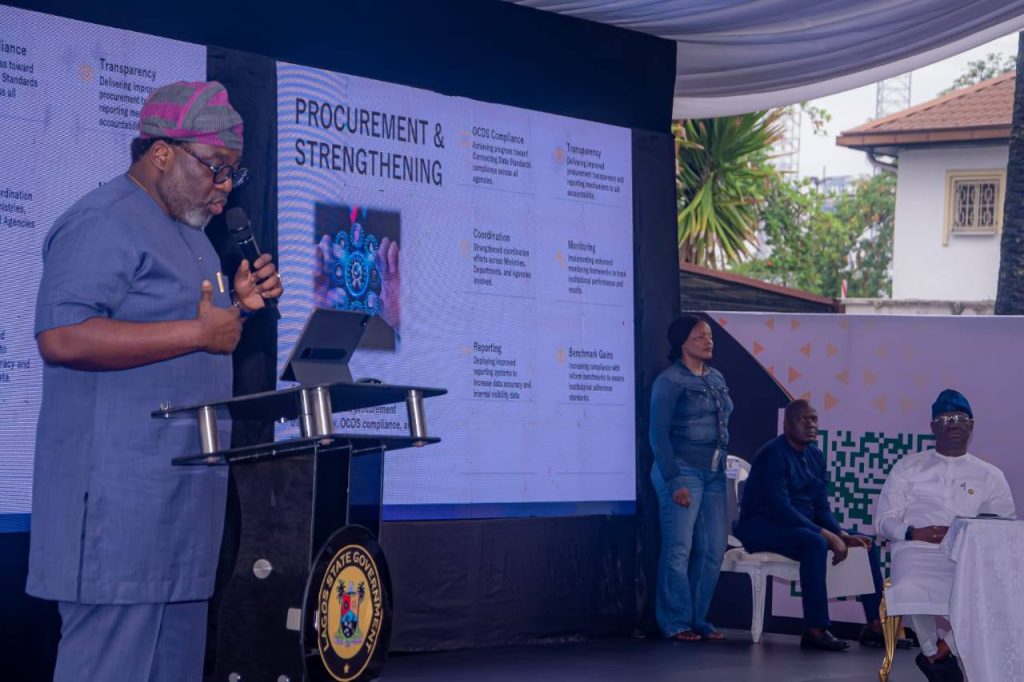
International partners also lauded the state’s proactive approach. Celine Lafoucriere of UNICEF described the progress in Lagos as a powerful testament to how political resolve can successfully translate complex policy reforms into tangible benefits for the average citizen.
Global Partnerships Driving Local Impact
The World Bank, a key technical and financial partner in the initiative, signaled that Lagos is setting a standard for sub-national governance. Engr. Akin Onimole, representing the World Bank, remarked that the success of such reforms is ultimately measured by their tangible impact on human lives.
“Today, we are witnessing a model of how strong political will, combined with technical expertise and international partnerships, can drive transformative change,” Onimole said. As the state moves forward with the implementation phase, the government has called on all stakeholders and citizens to actively engage with the HOPE initiative to ensure the benefits of these reforms reach every community in Lagos.
Share this