
In a strategic move to sanitize and elevate the traditional medicine sector, the Lagos State Traditional Medicine Board (LSTMB) has entered into a landmark partnership with the University of Lagos (UNILAG) to provide professional training for herbal product practitioners.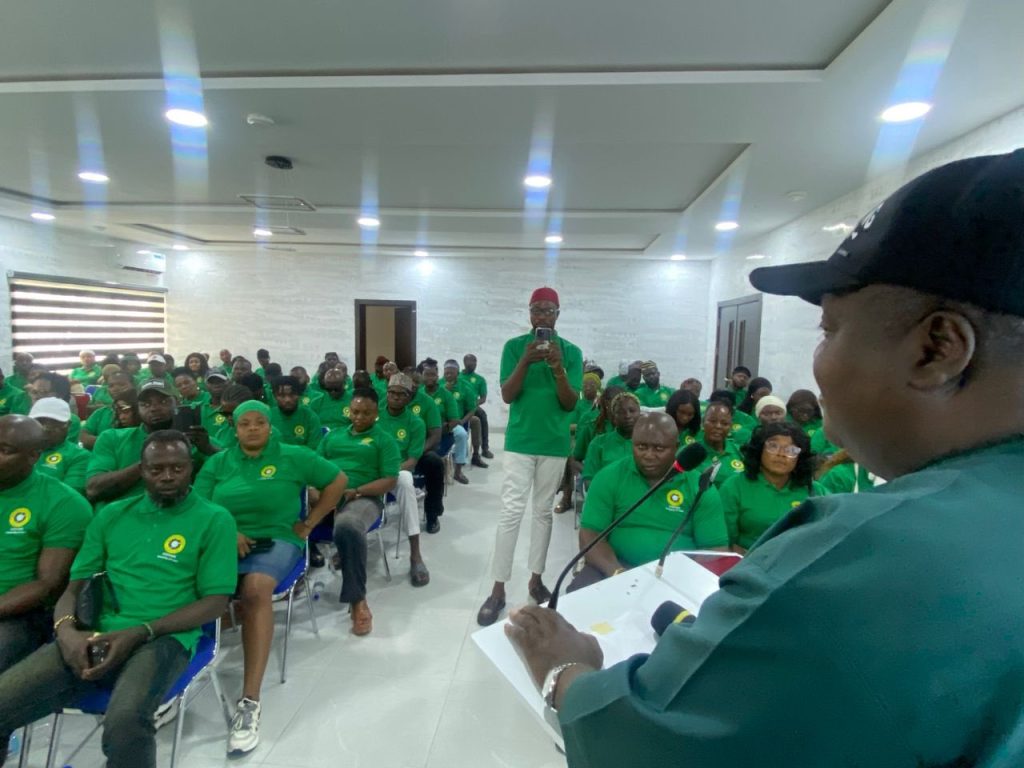
The collaboration, facilitated through the African Centre of Excellence for Drug Research, Herbal Medicine Development and Regulatory Science (ACEDHARS), recently concluded a rigorous one-week short course designed to bridge the gap between traditional practice and modern scientific standards.
Elevating Quality and Safety Standards
The intensive program focused on quality assurance, toxicological evaluation, and Good Manufacturing Practice (GMP). By aligning with World Health Organization (WHO) standards, the initiative aims to ensure that herbal formulations in West and Central Africa are both standardized and safe for public consumption.
Beyond clinical safety, the training serves a regulatory purpose: completion of the course is now a mandatory prerequisite for registration with the LSTMB, ensuring that all licensed practitioners in Lagos State possess a foundational understanding of modern regulatory science.
Empowering Local Practitioners
During the graduation ceremony, the Acting Registrar of LSTMB, Mr. Hakeem Bello, commended the University’s leadership for fostering an environment where traditional knowledge meets academic excellence. He emphasized that the training is a transformative step for the practitioners.
“This one week has made you more grounded, more exposed, and more prepared to take on the challenges of the world. This partnership is expected to improve herbal practice in Lagos State and Nigeria, and promote the growth of traditional medicine,” Bello stated.
A Future Rooted in Science
The Centre Leader of ACEDHARS, Mrs. Omobolanle Ade-Ademilua, urged the graduates to become ambassadors of scientific traditional medicine. She highlighted the importance of a unified force among practitioners to combat misinformation and improve community health outcomes.
“In the near future, the application of this knowledge will begin to spring forth, and you’ll accept that education is not a scam,” Ade-Ademilua noted, encouraging participants to utilize their new skills to make a tangible impact on their local communities.
This partnership marks a significant milestone in Nigeria’s healthcare journey, signaling a commitment to excellence in healthcare education and the formal integration of safe, regulated traditional medicine into the broader medical landscape.
Share this