

The Independent National Electoral Commission (INEC) has officially signaled the commencement of preparations for the 2027 General Election, unveiling a strategic timetable anchored by a sweeping overhaul of the commission’s procurement and institutional systems.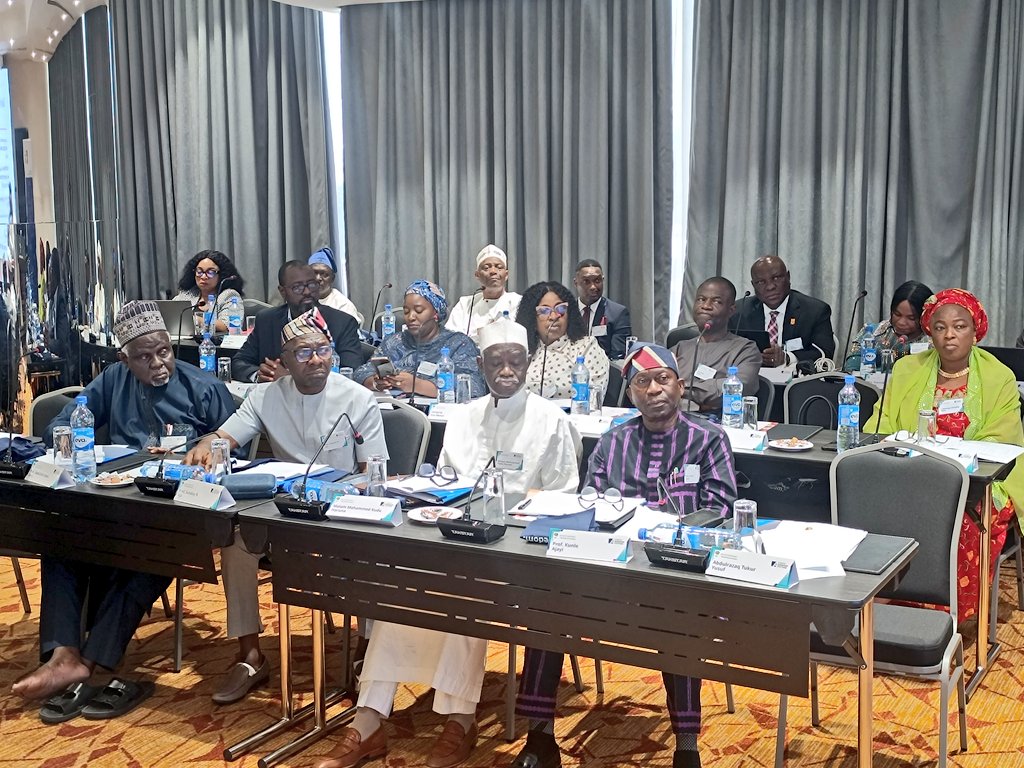
The announcement was made during a high-level, three-day capacity-building workshop for National Electoral Commissioners and top management in Lagos. The event, organized in partnership with the Konrad-Adenauer-Stiftung (KAS), marks a critical pivot toward operational transparency under the leadership of the new INEC Chairman.
Procurement: The Invisible Architecture of Credibility
In a keynote address delivered on his behalf by National Commissioner Mrs. May Agbamuche-Mbu, the INEC Chairman, Prof. Joash O. Amupitan, SAN, identified procurement reform as the most vital, yet often overlooked, pillar of democratic trust.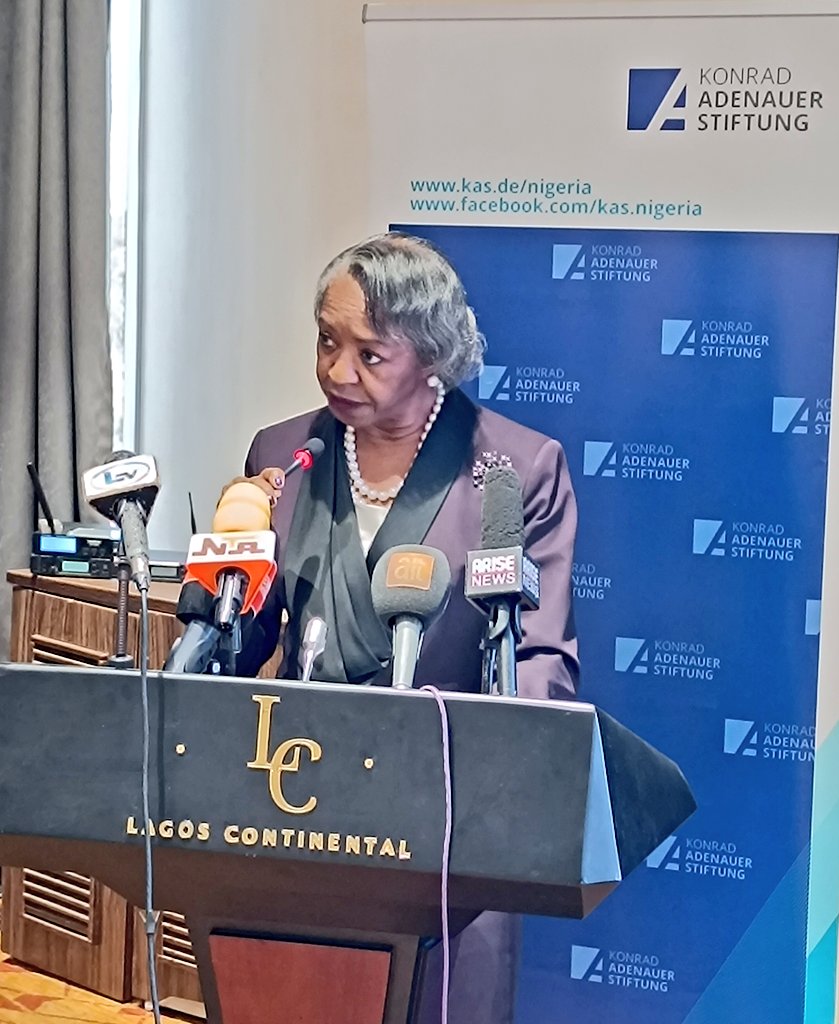
Speaking 159 days into his tenure, Amupitan characterized this period as a watershed moment for Nigeria’s democratic evolution.
“When procurement is handled with integrity, it becomes the bedrock of public confidence. When it is compromised, it becomes the fault line through which trust collapses,” Prof. Amupitan stated. “Our responsibility encompasses the entire electoral value chain—from planning and logistics to procurement and deployment.”
The Chairman emphasized that for the #NigeriaDecides2027 cycle to be successful, the commission must move beyond theoretical reforms and focus on the reality of implementation, ensuring that the financial and logistical backbone of the elections is resilient and accountable.
Navigating the 2026 Electoral Act
A significant portion of the workshop focused on the Electoral Act 2026, a landmark piece of legislation that has fundamentally recalibrated how INEC functions. A key change highlighted was the amendment to Clause 28, which has reduced the mandatory notice period for elections from 360 days to 300 days.
Prof. Amupitan described this compressed timeline as a paradigm shift that leaves no room for administrative delays. He noted that the 60-day reduction demands a level of unprecedented speed and critical precision from the commission’s staff.
“This compressed timeline is not a challenge to be lamented but a reality to be mastered,” the Chairman declared. “It requires us to work with the efficiency of a well-calibrated machine… there is no room for delay, no margin for error, and no excuse for complacency.”
Strategic Foresight for 2027
The workshop serves as a strategic intervention to equip leadership with the tools necessary to navigate an increasingly complex political and legal landscape. By integrating transparent procurement with the new legal requirements of the 2026 Act, INEC aims to build an electoral architecture that is strong in practice, rather than just on paper.
As the countdown to 2027 begins, the Commission’s focus remains clear: safeguarding the democratic ecosystem through verifiable processes and institutional discipline.
Share this


