

For 10-year-old Ibrahim*, what started as a simple complaint of weakness quickly turned into a frightening health emergency. Within hours, he became extremely weak, began vomiting and passing stool continuously, leaving his family struggling to understand how his condition had deteriorated so rapidly.
His mother, who was heavily pregnant at the time, said the sight of her son’s condition left her terrified.
“When I entered the latrine and saw his condition, I was shocked because I was heavily pregnant at that time. I called for help, then he was rushed to the hospital. I lost hope that my son would come back home alive,” she recalled.
Ibrahim’s experience was not an isolated case. It reflected the reality faced by thousands of families across Borno State when cholera spread rapidly in early May, becoming one of the most severe outbreaks the state had recorded in recent years.
Within weeks, more than 12,000 suspected cases were reported across the state, putting communities under immense pressure and stretching health facilities already responding to multiple health challenges.
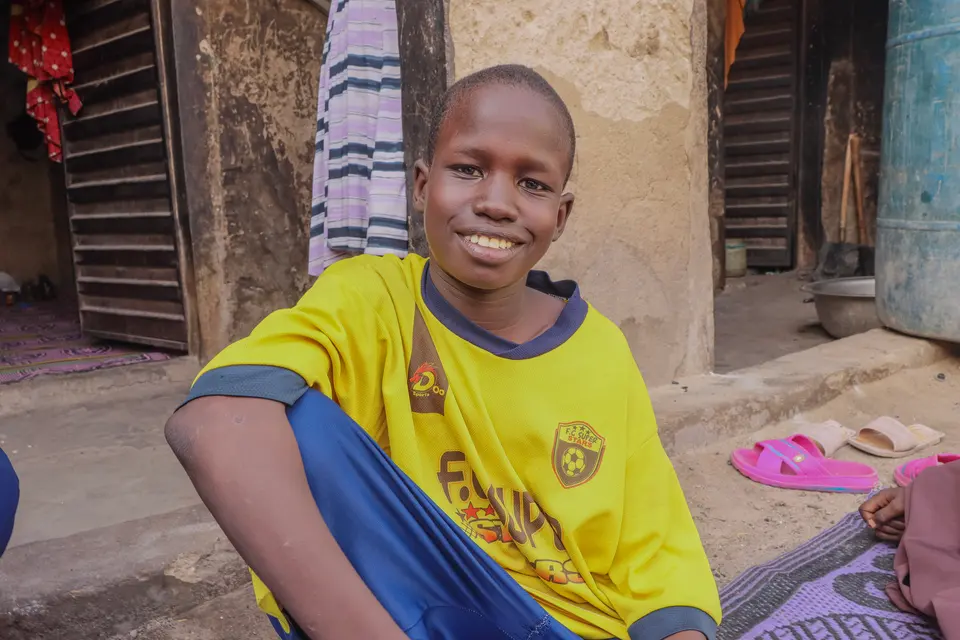
For many families, the challenge was not only finding treatment, but ensuring that help arrived quickly enough because with cholera, every delay can mean the difference between recovery and loss.
When Cholera Tested Borno’s Health System
Cholera is a preventable and treatable disease, but delays in accessing care can quickly turn cases into life-threatening emergencies, especially among children.
During the outbreak in Borno, rising cases meant that health workers had to respond rapidly to prevent more deaths. Communities needed medical support, health facilities needed additional capacity, and families needed information on how to prevent further transmission.
At the centre of the response was the need to ensure that people affected by cholera could access treatment without delay.
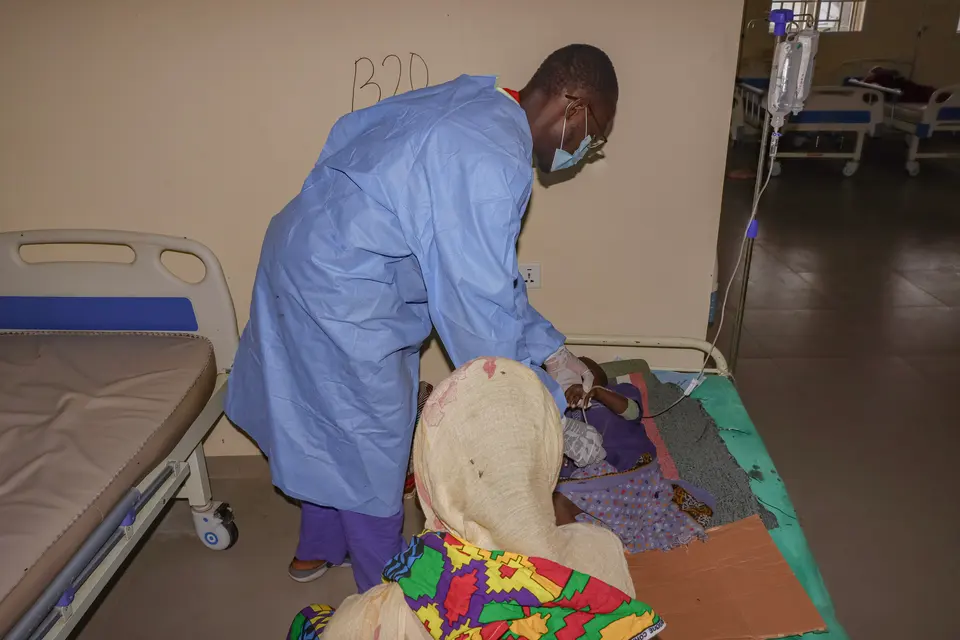
Save the Children Nigeria joined efforts to strengthen the state’s response after it became clear that the outbreak required urgent intervention.
With support from the Nigeria Humanitarian Fund and additional funding from the Save the Children Humanitarian Fund, the organisation worked with the Borno State Ministry of Health to support the Cholera Treatment Centre at the Njimtilo Infectious Disease Centre.
The centre, which had a 200-bed capacity, became a critical point for treating patients as cases increased.
But beyond providing a physical space, the response required more health workers, medical supplies and coordinated action to match the scale of the outbreak.
A Race Against Time to Save Lives
As patients continued arriving, the pressure on the treatment centre increased.
At the height of the outbreak, more than 200 people were reportedly arriving at the facility daily, requiring immediate attention from doctors, nurses and support staff.
To strengthen the response, Save the Children Nigeria increased the number of medical personnel at the centre from 18 to 95, helping the facility provide care for more patients.
Treatment and medicines were provided free of charge, ensuring that families could seek medical attention without worrying about the cost.
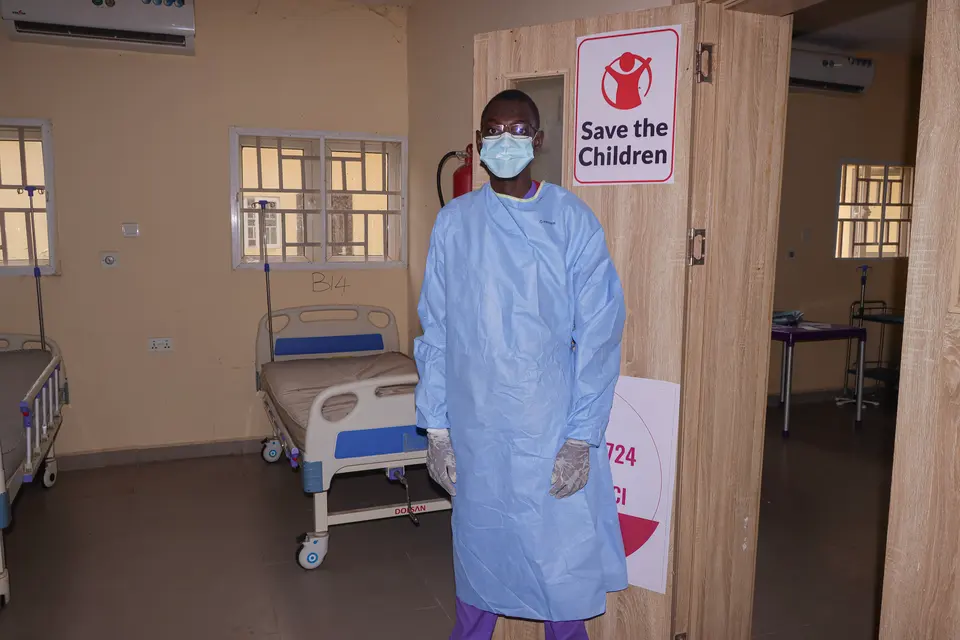
For Ibrahim, that access became the turning point.
By the time he arrived at the treatment centre, he was unconscious and severely weakened by the disease. But after receiving urgent medical attention, he gradually regained consciousness.
“When I was taken to the hospital, I was very weak. In fact, I was unconscious when I was taken from home to the facility. I regained consciousness and could hear the ambulance that was transporting me to the CTC,” he said.
According to Ibrahim, the immediate attention he received from health workers restored his hope of survival.
The treatment centre became more than a place for medical care. For families who arrived with fear and uncertainty, it became a place where recovery was possible.
Taking the Fight Beyond the Hospital
While emergency treatment saved lives, health workers and partners recognised that stopping cholera required action beyond treatment centres.
The response moved into communities, focusing on prevention, awareness and early detection.
Save the Children Nigeria supported the training of Community-Based Volunteers (CBVs) on the Case-Area Targeted Intervention (CATI) approach, a strategy designed to quickly respond when cholera cases are identified.
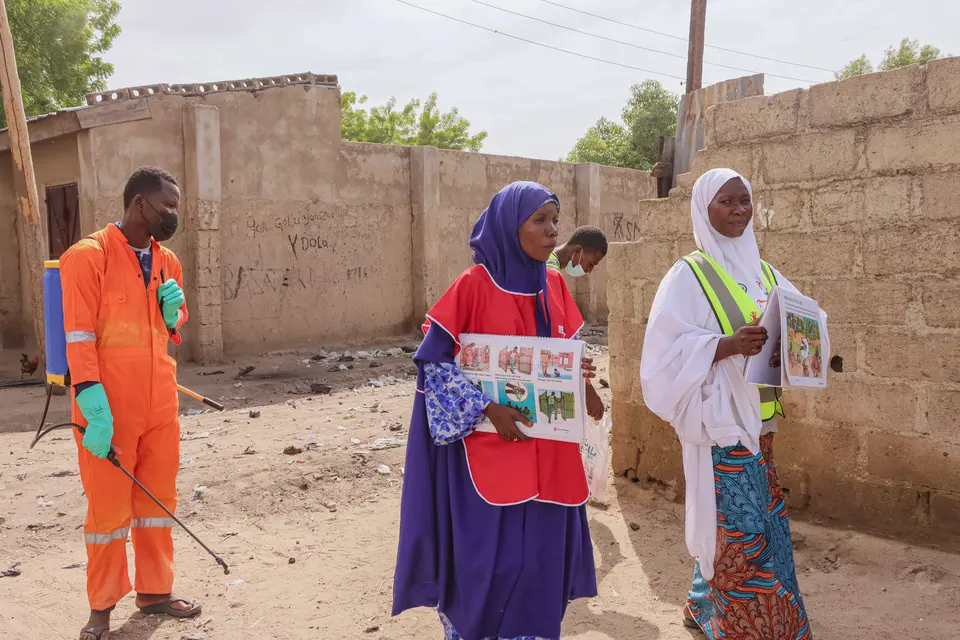
Under the approach, response teams visit affected households and nearby communities to carry out activities such as disinfection, water chlorination, hygiene education and distribution of hygiene materials.
The aim is to stop the disease from spreading further by helping families understand how cholera is transmitted and how they can protect themselves.
Community volunteers also conducted house-to-house sensitisation on handwashing, safe water handling, food hygiene and early referral of suspected cases.
For Ibrahim’s mother, the awareness changed her family’s daily habits.
“Before the volunteers visited, I only knew how to wash hands before eating, after entering the toilet and before cooking. But now that my son has contacted cholera and with the WASH volunteers’ awareness, I intensify critical times of handwashing and ensure my children wash their hands properly,” she said.
The intervention showed that cholera response is not only about treating illness but also about preventing new infections.
Preparing Borno for Future Outbreaks
Beyond the immediate crisis, stakeholders say strengthening preparedness remains critical.
Save the Children Nigeria supported the training of doctors, nurses, WASH focal persons and community health workers across 18 Local Government Areas in Borno State.
The training focused on improving early identification of symptoms, case management, infection prevention and control measures, and timely referrals.
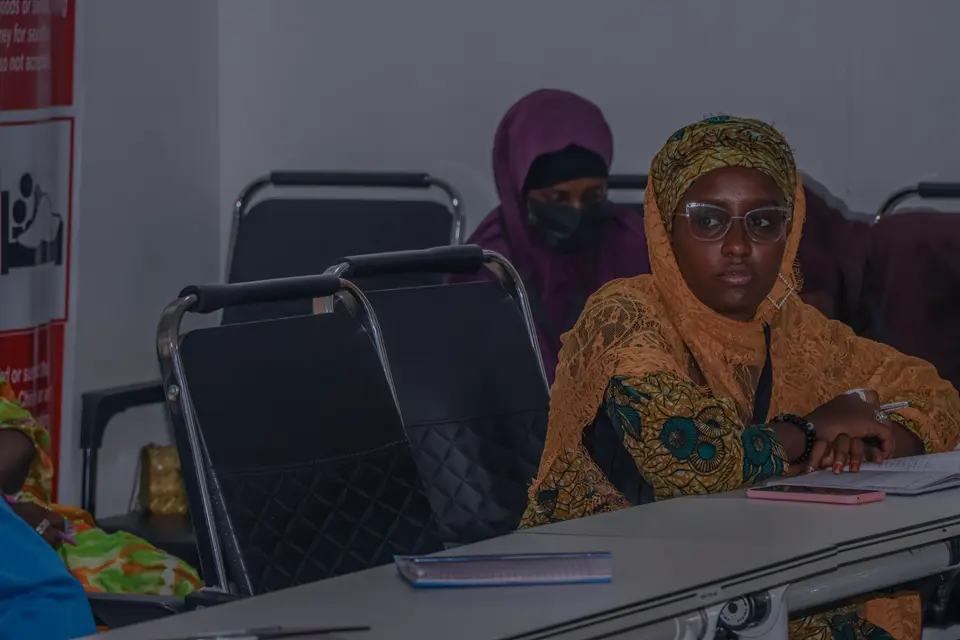
For Maryam, a health worker who participated in the training, the programme improved her ability to respond to health emergencies.
“The training has greatly improved my knowledge and skills in managing cholera, acute meningitis, measles and Ebola. I am now more confident in identifying symptoms early, providing appropriate case management, educating patients and caregivers and making timely referrals for severe cases,” she said.
Health officials said building this capacity is essential because future outbreaks require systems that are prepared before emergencies occur.
The response also highlighted the importance of collaboration between government institutions, humanitarian organisations, health workers and communities.
Dr Goni Ali, Director of Public Health in Borno State, said partnerships played an important role in strengthening the state’s response.
“The state government and Save the Children International have done a lot of things to mitigate this outbreak. They supported the state in terms of human resources for health, particularly doctors, nurses, communities and other cadres. They also helped in the supply of drugs and medical consumables,” he said.
Beyond the Numbers, Lives Were Saved
Since the establishment of the treatment centre, more than 2,000 patients have received care, with more than 2,000 discharged after recovery.
The case fatality rate remained below one per cent, meaning that the majority of patients who accessed treatment survived.
Behind those figures are stories like Ibrahim’s — children and families who survived because care reached them at the right time.
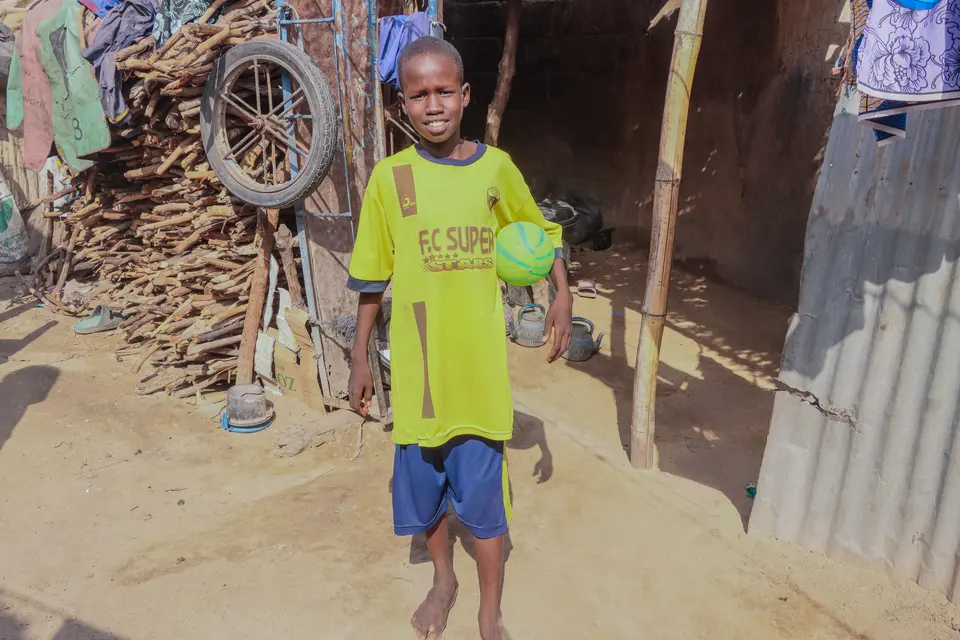
Today, Ibrahim has recovered and returned to normal activities. His mother believes the support they received changed the outcome of what could have been a different story.
“If not for the immediate support I received, it could have been a different story now, and we did not pay any money; everything was free,” she said.
However, stakeholders warn that the work cannot stop with the decline of emergency cases.
Sustained investment in clean water access, sanitation, health worker training and community awareness remains necessary to prevent future outbreaks.
Borno’s cholera response shows that when emergency support arrives quickly, health workers are equipped, and communities are empowered with knowledge, lives can be protected.
For children like Ibrahim, the difference was not only the treatment they received — it was that help arrived when every minute mattered.
Share this