

By Mayowa Adeniran |
Climate experts, researchers, urban planners and development partners have officially launched the Hotsteppers Project, a three-year research and action initiative aimed at addressing the growing health risks posed by extreme heat, poor air quality and rapid urbanisation across Lagos State.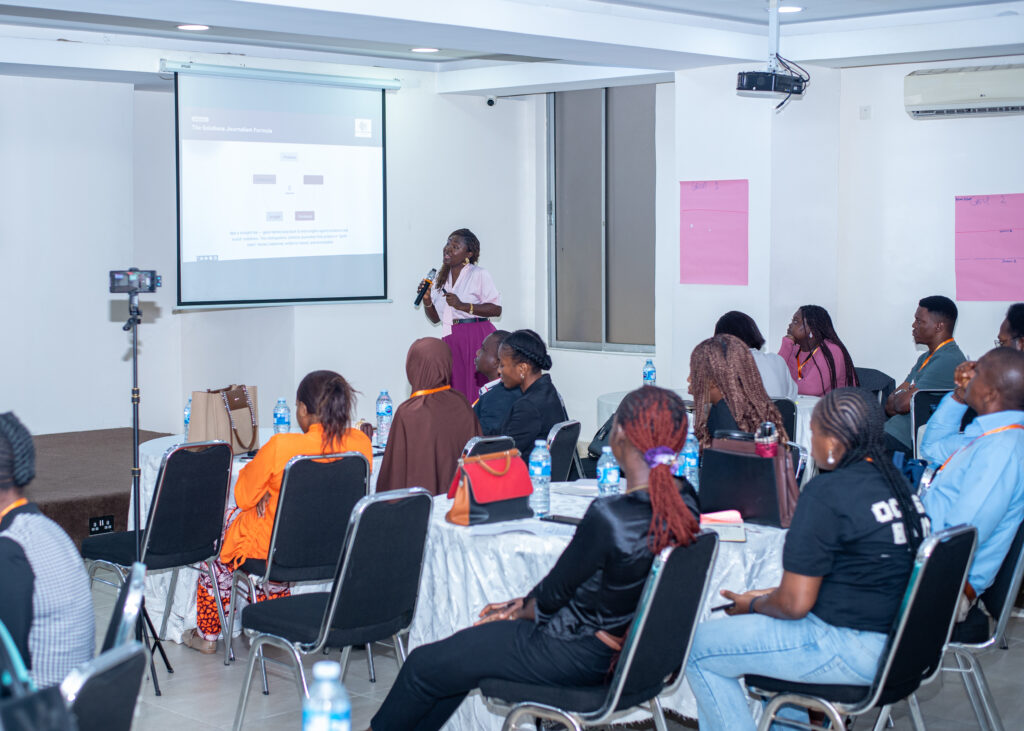
The initiative was unveiled during a three-day Climate and Health Media Workshop, where journalists were trained to strengthen evidence-based, human-centred and solutions-focused reporting on climate change and its impact on public health.
The Wellcome Trust-funded project is being implemented through a partnership involving the Lagos Metropolitan Area Transport Authority (LAMATA), Lagos Urban Development Initiative (LUDI), the University of Lagos Centre for Housing and Sustainable Development, UrbanBetter, Institute Metabolic Science (IMS), Epidemiology, University of Cambridge, and Hotsteppers.
Experts Urge Greater Focus on Heat as Public Health Threat
Speaking during the workshop, Hotsteppers Project Communications Lead, Abimbola Badejo, said rising temperatures remain one of the least understood consequences of climate change despite their growing impact on people’s health and livelihoods.
“When people hear climate change, they immediately think about flooding or pollution. But heat is one of the invisible crises we must begin to report because its impacts on health are real and increasing. People simply say, ‘It is hot.’ But it is much more than that. Heat is a public health risk, and understanding that is one of the objectives of this training,” Badejo said.
She noted that prolonged exposure to extreme heat contributes to heat stress, dehydration, cardiovascular diseases, reduced physical activity and declining productivity, particularly among commuters, traders, transport workers and other residents who spend long hours outdoors.
According to her, increasing awareness of these hidden impacts is critical to driving policy action and encouraging investments in healthier, climate-resilient cities.
Research to Identify Lagos’ Heat Hotspots
Researchers on the project disclosed that Geographic Information Systems (GIS), satellite imagery, remote sensing and thermal mapping are being used to identify areas across Lagos that are most vulnerable to extreme heat.
The project relies on environmental indicators such as the Land Surface Temperature (LST), Normalized Difference Vegetation Index (NDVI), Normalized Difference Building Index (NDBI) and the Building Heat Index (BHI) to understand how urban development influences heat exposure.
Preliminary assessments covering more than 1,200 Bus Rapid Transit (BRT) facilities, including Ojota, Oshodi and Yaba, revealed that transport corridors dominated by concrete and asphalt, with limited tree cover, record significantly higher temperatures and expose commuters to severe thermal stress.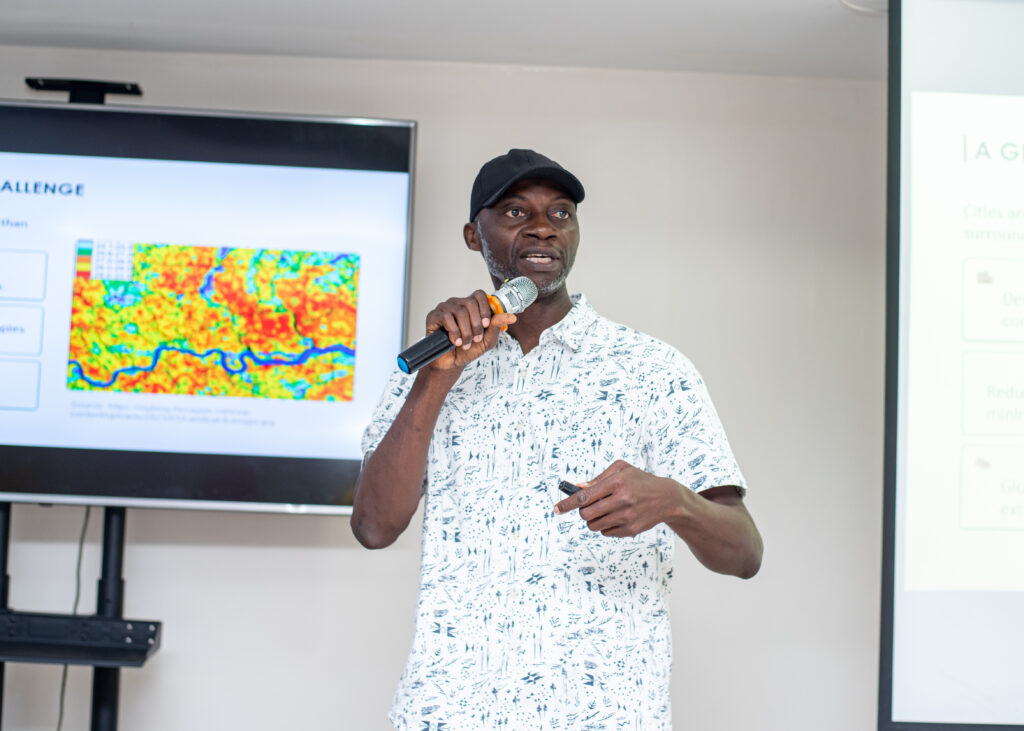
Researchers have also deployed iButton temperature-monitoring devices in communities such as Fadeyi and Yaba to capture real-time environmental data that will inform future urban planning and heat mitigation strategies.
Project Combines Research with Community Action
Organisers explained that the initiative is structured around seven work packages designed to bridge scientific research with practical interventions.
The project will review existing climate and transport policies, investigate the health impacts of extreme heat, engage residents through citizen science, monitor the experiences of more than 200 active travellers, and pilot interventions including urban greening, shade structures and cooling spaces in identified hotspots.
Evidence generated through the project is expected to support policy reforms and provide scalable solutions for other Nigerian cities facing similar climate challenges.
Media to Drive Solutions-Based Climate Reporting
A major component of the workshop focused on equipping journalists with the skills to report climate issues through the lens of Solutions Journalism, enabling them to investigate not only the challenges posed by climate change but also the effectiveness of interventions designed to address them.

Facilitators encouraged participants to produce stories that examine evidence, assess policy implementation, highlight accountability and amplify community experiences to promote informed public discourse on climate adaptation.
The sessions also underscored the importance of community ownership, noting that environmental initiatives are more sustainable when residents understand their long-term health and ecological benefits.
Hotsteppers Media Network to Support Journalists
Closing the workshop, Olamide Udoma-Ejorh announced the establishment of the Hotsteppers Media Network, a platform that will provide journalists with continued access to climate-health experts, research findings and specialised training throughout the project’s lifespan.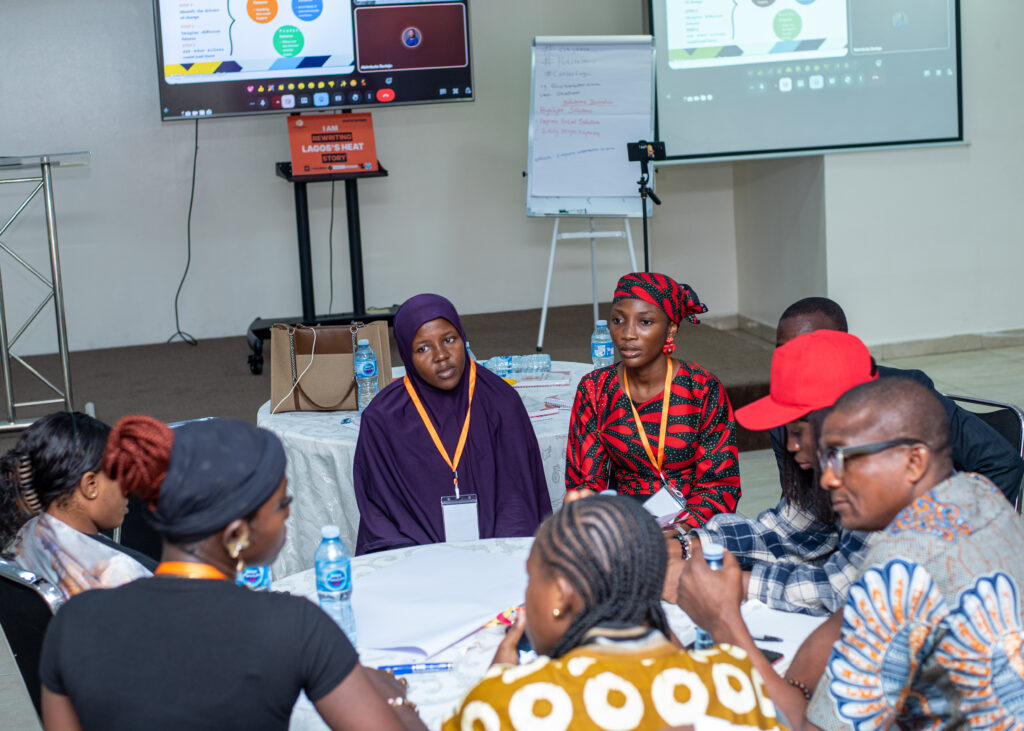
“This training doesn’t end here. We are creating a repeatable engagement cycle that supports media partners throughout the project from evidence generation to policy impact,” Udoma-Ejorh said.
Abimbola added that participants would receive research summaries, datasets, thermal maps and multimedia resources, while quarterly Story Sprints would enable journalists to report directly from field activities across 15 Local Government Areas in Lagos.
Through its partnership with the UrbanBetter Academy and the University of Cambridge, the network will also facilitate access to experts and masterclasses aimed at strengthening climate and health reporting.
By integrating scientific research, community participation, evidence-driven journalism and policy engagement, the Hotsteppers Project seeks to strengthen climate resilience, reduce heat-related health risks and improve the quality of life for residents of Lagos and other rapidly urbanising cities in Nigeria.
Share this