

The World Health Organization (WHO) and the German Government have reaffirmed their strategic alliance to strengthen Nigeria’s primary healthcare and disease surveillance capabilities.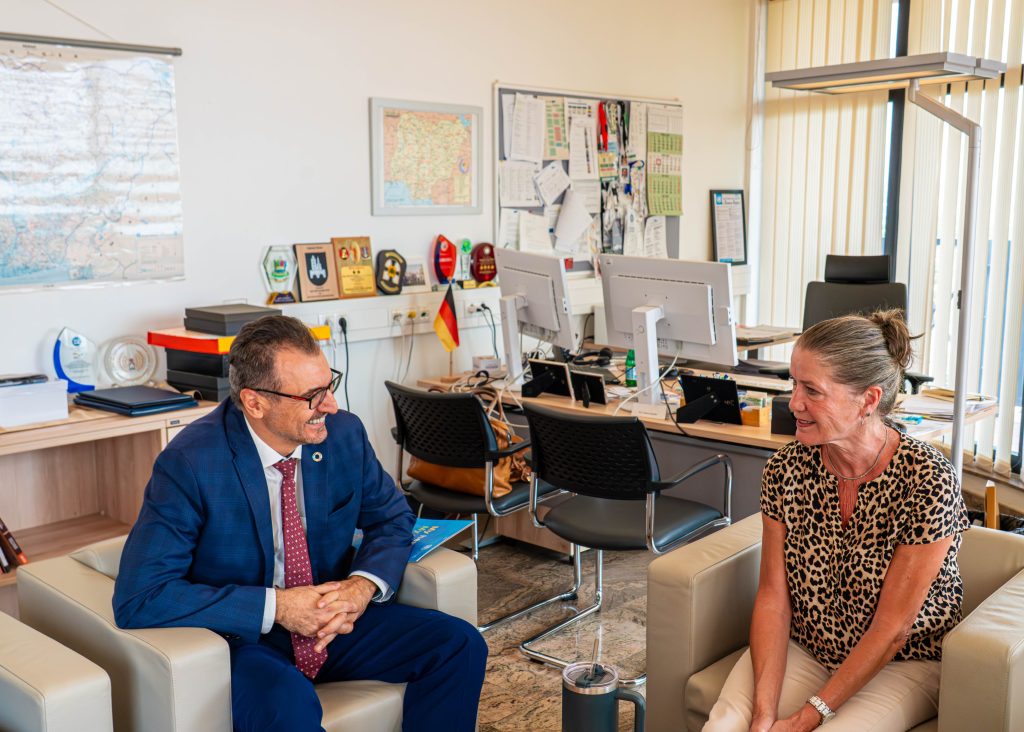
The partnership aims to ensure that more families can access essential care while shielding the population from emerging biological threats through real-time data and modernized facilities.
A Vision for Resilient Healthcare
The collaboration was solidified during a high-level meeting in Abuja between WHO Representative Dr. Pavel Ursu and the German Ambassador to Nigeria, Annett Günther. The discussions centered on the WHO Nigeria Country Cooperation Strategy (2023–2027), a roadmap designed to provide sustainable health security for all Nigerians.
Every stronger health system means more Nigerians protected, more families accessing care, and more lives saved. The partnerships are helping make this a reality, improving access to essential services for women, men, and young people in communities that need them most.
Revitalizing Primary Care and Digital Systems
A cornerstone of this initiative is the ambitious plan to revitalize 327 Primary Health Care (PHC) Centers by 2025. This effort, conducted in close coordination with the Federal Ministry of Health, focuses on the Sector Wide Approach to ensure that even the most remote communities have functional clinics.
Beyond physical infrastructure, the partnership is driving a digital health revolution. By expanding digital systems, the WHO is enabling Nigerian health officials to make faster, data-driven decisions that can mean the difference between a contained incident and a national crisis.
National Surveillance and Outbreak Detection
The impact of Germany’s long-standing support is already visible in the realm of health security. Nigeria has successfully implemented real-time disease surveillance across all 36 states and the Federal Capital Territory (FCT).
This nationwide network allows for early outbreak detection, ensuring that health threats are identified and neutralized before they spread. These investments represent a significant shift toward a proactive rather than reactive health system, providing a safer environment for millions of citizens across the country.
Share this


