
The Federal Government of Nigeria has reaffirmed its commitment to accelerating the nation’s digital health transformation, calling for an estimated ₦500 billion investment over the next five years.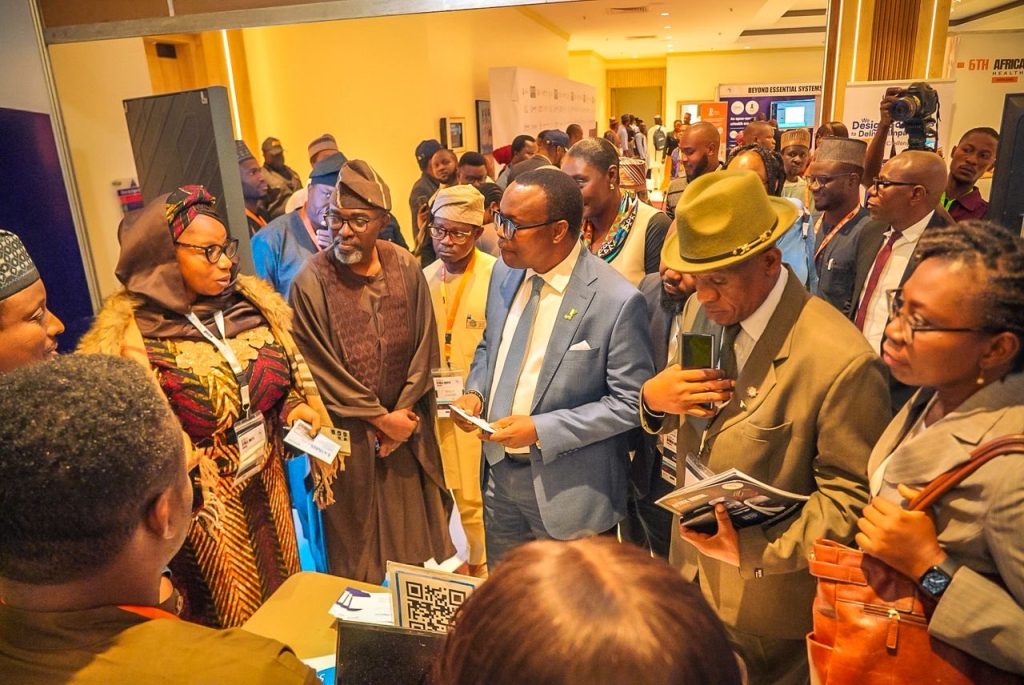
This massive funding drive aims to scale an integrated, interoperable health system designed to drastically improve service delivery and advance Universal Health Coverage across the country.
Scaling Beyond Pilot Projects
Speaking at the opening of the 6th Africa Digital Health Summit (ADHS 2026) in Abuja, the Honourable Minister of State for Health and Social Welfare, Dr. Iziaq Adekunle Salako, made it clear that the country is moving away from isolated trials.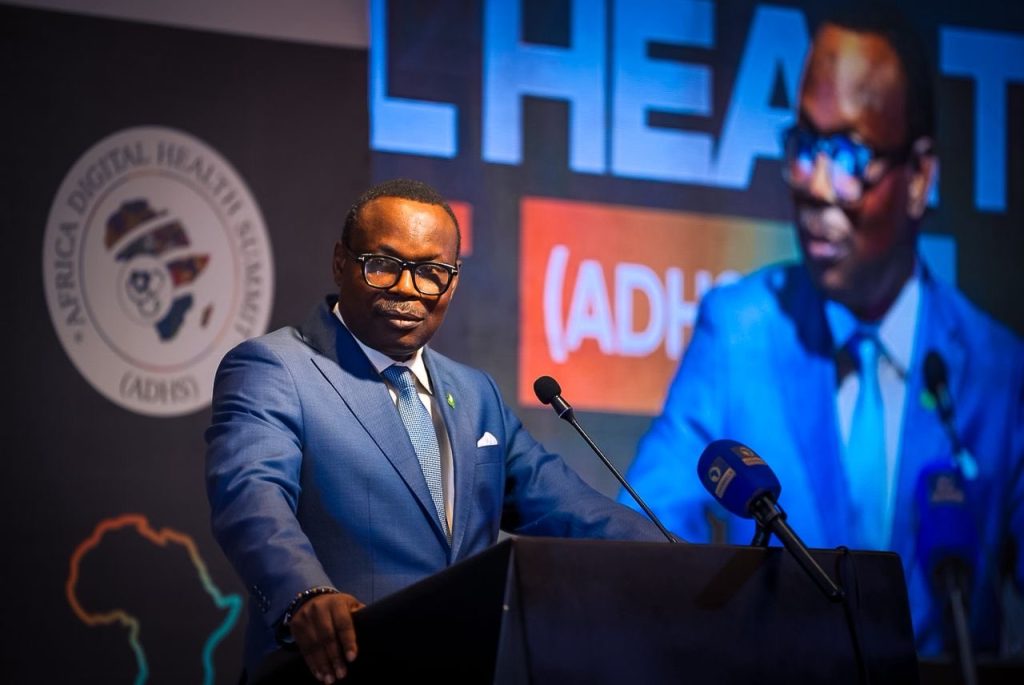
“The country’s focus is no longer on proving digital health solutions through isolated pilot projects, but on scaling nationally integrated systems that deliver measurable impact for every Nigerian,” Dr. Salako stated.
According to the Minister, the National Digital Health Architecture (NDHA) has already been endorsed by all 36 states and the Federal Capital Territory (FCT). This framework serves as the foundation for harmonizing health information systems, improving interoperability, and enabling a shared health record to strengthen continuity of care, planning, and evidence-based decision-making.
Current Milestone Achievements
Highlighting the progress already recorded in the sector, Dr. Salako disclosed that an assessment of Nigeria’s 79 Federal Tertiary Hospitals revealed an average 74.5 per cent adoption rate of Electronic Medical Records (EMR). Furthermore, digital logistics platforms have been deployed across all 774 Local Government Areas (LGAs) to optimize vaccine supply chain management. The Federal Government is also incentivizing states to adopt the NDHA through ongoing primary healthcare reforms.
Addressing Infrastructure Deficits
Despite these gains, the Minister acknowledged that significant structural gaps still threaten full-scale optimization. A recent diagnostic revealed that 43 per cent of Primary Healthcare Centres (PHCs) lack electricity, while roughly 60 per cent of rural health facilities completely lack internet connectivity. Dr. Salako emphasized that these shortages in digital health skills, limited interoperability among legacy systems, and a heavy dependence on donor funding underscore the critical need for sustained domestic investment.
A Call for Strategic Partnerships
To bridge these gaps, the Minister called on development partners, state governments, the private sector, and tech innovators to align their investments with the NDHA. Notably, he urged the National Pension Commission (PenCom) and Pension Fund Administrators (PFAs) to view digital health infrastructure as a viable, strategic long-term investment that can strengthen health insurance, boost operational efficiency, and deliver better health outcomes for citizens.
With established policy directions, standards, and frameworks now firmly in place, the Federal Ministry of Health and Social Welfare remains committed to collaborating with all sectors to secure sustainable, interoperable digital solutions for every Nigerian.
Share this


