
The Federal Government has made participation in the national tertiary education ranking exercise compulsory for universities, polytechnics and colleges of education across the country.
The move is part of efforts by the government to improve quality, accountability and performance in Nigeria’s tertiary education system.
Minister of Education, Dr Tunji Alausa, announced the policy on Monday in Abuja during a meeting with the Nigerian Universities Ranking Advisory Committee (NURAC).
The committee has now been expanded and renamed the Nigerian Tertiary Education Ranking Advisory Committee to reflect its new responsibility for universities, polytechnics and colleges of education.
Ranking to Track Institutional Performance
Alausa said the ranking would give institutions a way to measure their performance and identify areas that require improvement.
According to him, the exercise would also provide clear benchmarks for institutions to assess their progress.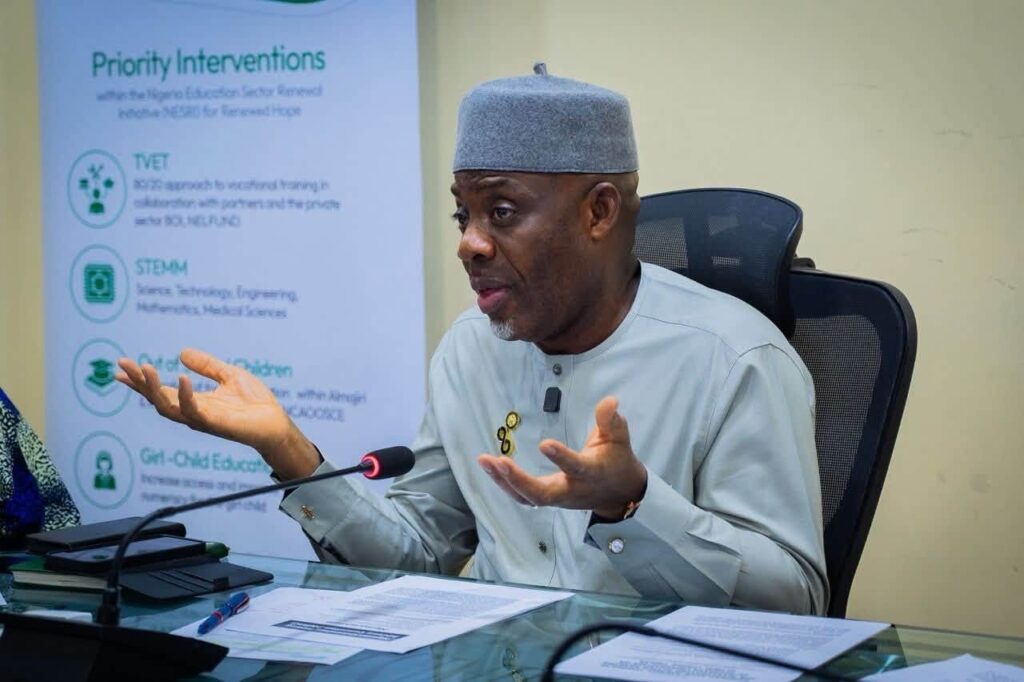
“The ranking framework will provide institutions with clear benchmarks for assessing performance, identifying areas for improvement and measuring progress,” Alausa said.
The minister disclosed that the 2026/2027 ranking exercise for universities will begin in September.
He added that the committee would decide when the ranking exercise would be extended to polytechnics and colleges of education.
Alausa said the government would develop guidelines to formally establish the ranking system and communicate the compulsory participation policy to vice-chancellors and heads of other tertiary institutions.
He also said funding support is expected from the Tertiary Education Trust Fund (TETFund).
Public, Private Schools to Participate
Minister of State for Education, Prof. Suwaiba Ahmad, described the development as an important step towards improving accountability within the tertiary education sector.
Ahmad said the exercise should cover both public and private institutions, noting that competition could push institutions to improve their performance.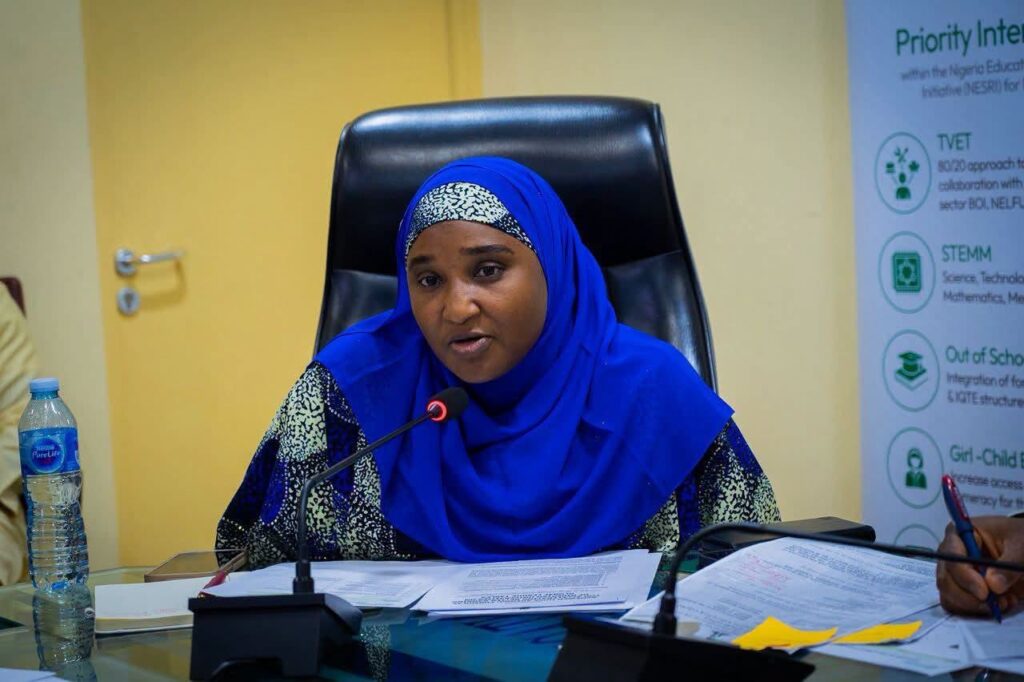
She said institutions would have the opportunity to identify their strengths, recognise areas where they are falling behind and take steps to address those gaps.
According to her, the ranking should ultimately contribute to improving the quality of education provided by tertiary institutions.
Okebukola Backs Expanded Ranking
Chairman of the advisory committee, Emeritus Prof. Peter Okebukola, said the committee’s meeting with the minister followed its call for increased investment in university education.
Okebukola said more investment was needed to maintain the growing international recognition of Nigerian universities.
He welcomed the decision to expand the committee’s mandate beyond universities, saying the move could help create a more consistent system for assessing tertiary institutions.
He expressed optimism that sustained investment, stronger institutional capacity and a unified ranking system would help more Nigerian institutions compete with universities and other tertiary institutions globally.
The Federal Ministry of Education is expected to release further guidelines on the implementation of the expanded ranking framework.
Share this


