
By Peter Emmanuel |
The Foundation for Environmental Rights, Advocacy and Development (FENRAD), in collaboration with the Human and Environmental Development Agenda (HEDA Resource Centre), has called for a thorough investigation and environmental assessment following a crude oil pipeline explosion in Umuololo, Igiriukwu Autonomous Community, Owaza, Ukwa West Local Government Area of Abia State.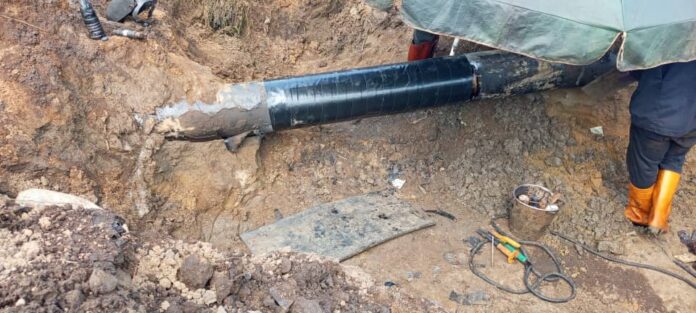
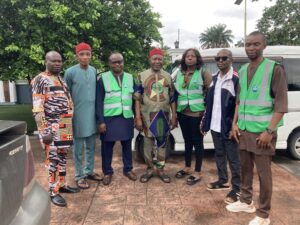
The call followed a three-day joint civil society fact-finding mission conducted by the organisations at the site of the June 10 explosion.
The mission involved an on-site inspection of the affected area and consultations with community leaders, residents and other stakeholders to document the circumstances and effects of the incident.
The organisations said the exercise was not intended to determine the cause of the explosion or assign blame without sufficient evidence, but to document observable facts, community testimonies and environmental concerns arising from the incident.
In a statement made available to journalists by FENRAD Executive Director, Comrade Nnanna Nwafor, the organisations said their findings would inform further advocacy and engagement with regulatory authorities and other stakeholders.
CSOs Raise Concerns Over Pollution, Livelihoods
FENRAD and HEDA said residents had raised concerns about the possible effects of the explosion and crude oil release on farmlands, soil, vegetation and water resources.
The organisations also expressed concerns about the potential impact of the incident on livelihoods, public health and the wider ecosystem within the affected community.
They called for comprehensive technical and environmental assessments by relevant authorities to determine whether contamination occurred and establish the extent of any damage.
According to the groups, such assessments are necessary to provide reliable evidence on the environmental and health implications of the incident and guide appropriate intervention.
They stressed that any confirmed pollution should be addressed through scientifically guided remediation, with affected communities meaningfully involved in the process.
FENRAD, HEDA Demand Transparent Joint Investigation
The organisations urged the government, regulatory agencies and the operating company to conduct a transparent Joint Investigation Visit (JIV) involving affected communities and civil society groups.
They said the investigation should establish the cause of the explosion, assess the condition of the pipeline and determine the volume of crude oil released during the incident.
The groups also called for an assessment of the extent of environmental contamination and its effect on the livelihoods of residents in the affected areas.
They said the investigation should equally examine the adequacy of the emergency response and identify measures required to prevent similar incidents from occurring in the future.
FENRAD and HEDA stressed that community participation was necessary to ensure that the investigation is transparent, credible and responsive to the concerns of residents directly affected by the incident.
Groups Seek Urgent Remediation, Community Redress
FENRAD and HEDA called for prompt remediation where pollution is established, insisting that any intervention should be guided by scientific findings and carried out transparently.
They also said affected communities must be meaningfully involved in decisions relating to remediation and compensation for verified damage to livelihoods and community resources.
The organisations said the Umuololo incident had renewed concerns about ageing petroleum infrastructure across the Niger Delta and the risks posed to communities that depend on the environment for their livelihoods.
They urged operators and relevant authorities to strengthen pipeline maintenance, infrastructure monitoring, emergency response systems and engagement with host communities.
FENRAD and HEDA said a detailed joint assessment report would be released subsequently, adding that all stakeholders must treat the incident with urgency and ensure transparency, environmental protection, accountability and appropriate redress for verified damage.
Share this