
FactCheck Africa has brought together Gen Z creators and digital influencers in Abuja to strengthen their role in countering disinformation and promoting responsible digital engagement ahead of Nigeria’s 2027 general elections.
The initiative, held under the #CheckBeforeYouPost: Gen Z Voices Against Disinformation Exhibition, brings together young Nigerians who participated in electoral integrity training camps in Lagos, Enugu and Kano.
The two-day exhibition is providing participants with an opportunity to share lessons from their training, build connections across regions and develop ways to promote credible information in Nigeria’s increasingly digital public space.
The first day of the exhibition featured discussions on civic media, a cross-cohort session involving participants from the three training camps, a coalition-building workshop and preparations for the public display of creative works produced during the programme.
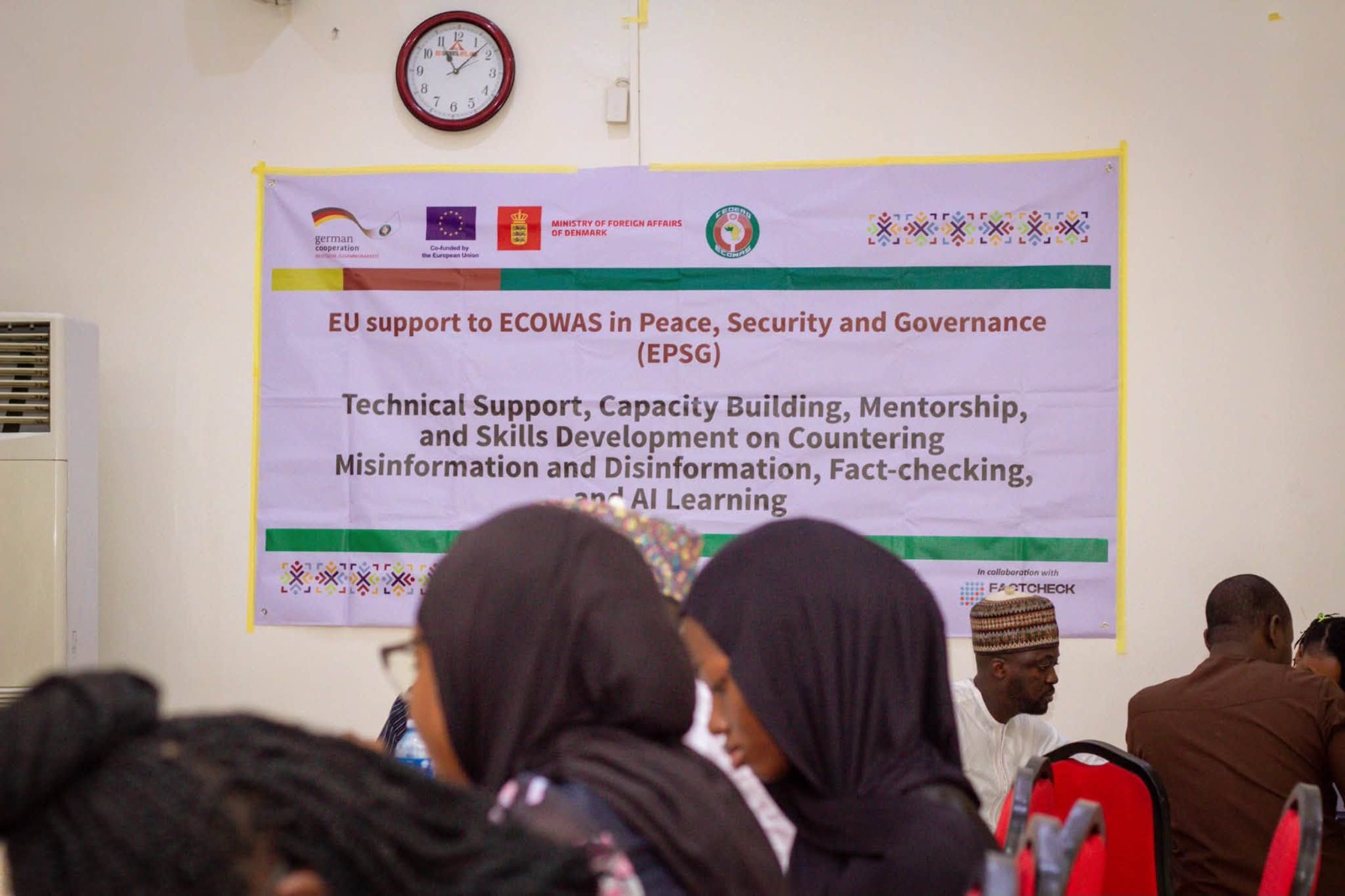
The event was organised by FIAP in collaboration with FactCheck Africa under the European Union Support to ECOWAS in Peace, Security and Governance (EPSG) Project, which seeks to strengthen information integrity and democratic resilience in Nigeria ahead of the 2027 elections.
Civic Groups Push Stronger Information Integrity
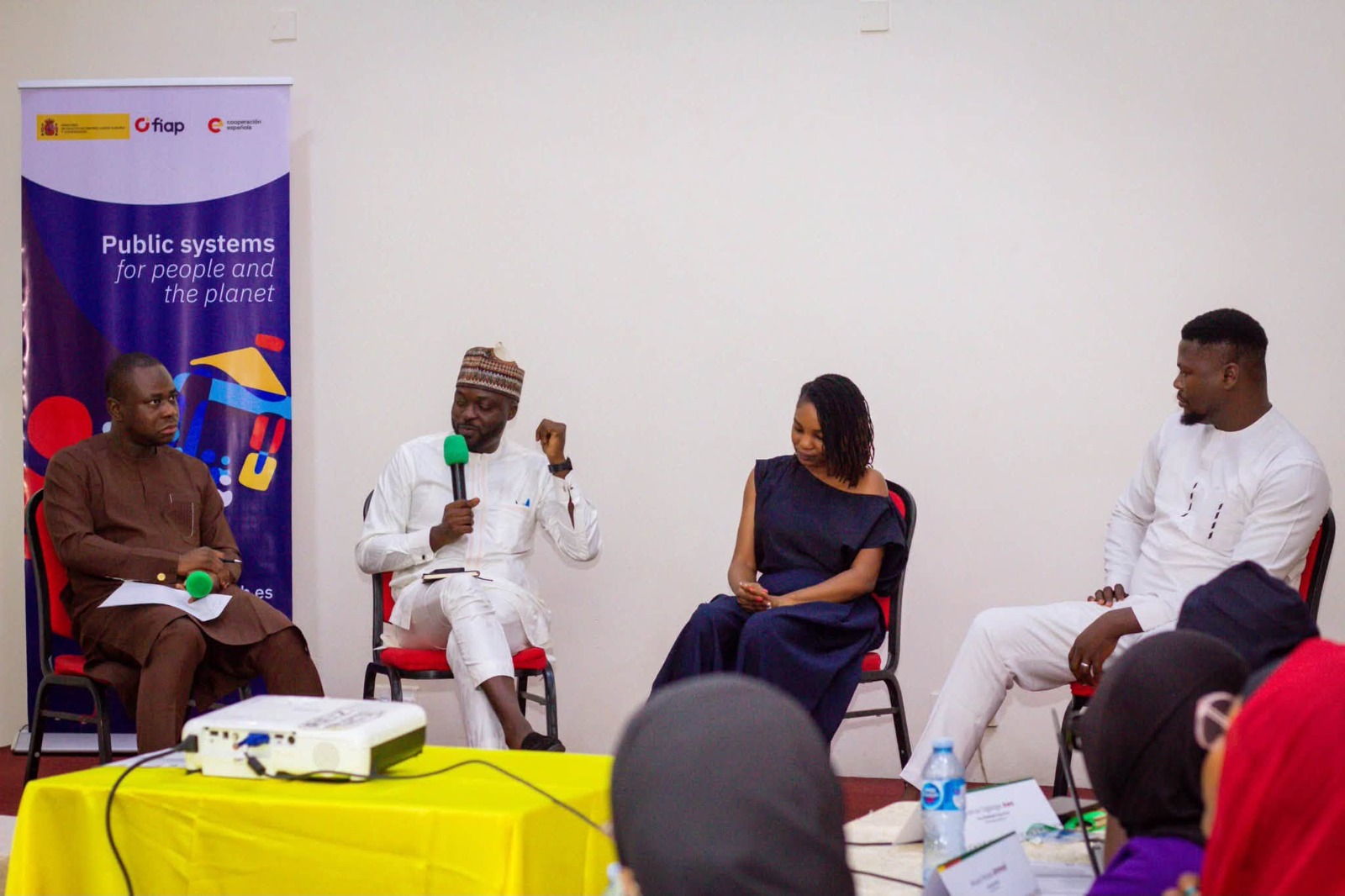
The opening day featured a fireside conversation on the state of Nigeria’s civic media and the changing role of content creators, civil society organisations and fact-checkers in building public trust.
Moderated by Olasupo Abideen, Founder of FactCheck Africa, the session featured Ibrahim Faruk of Yiaga Africa, Seun Durojaiye of Social Voices and Samuel Folorunsho of Legis360.
The speakers discussed the opportunities and challenges facing Nigeria’s civic information environment and the growing responsibility of digital creators whose content can influence public opinion and political conversations.
The discussion also examined the need for stronger collaboration between creators, civil society groups and fact-checkers to promote credible information and respond to misleading content.
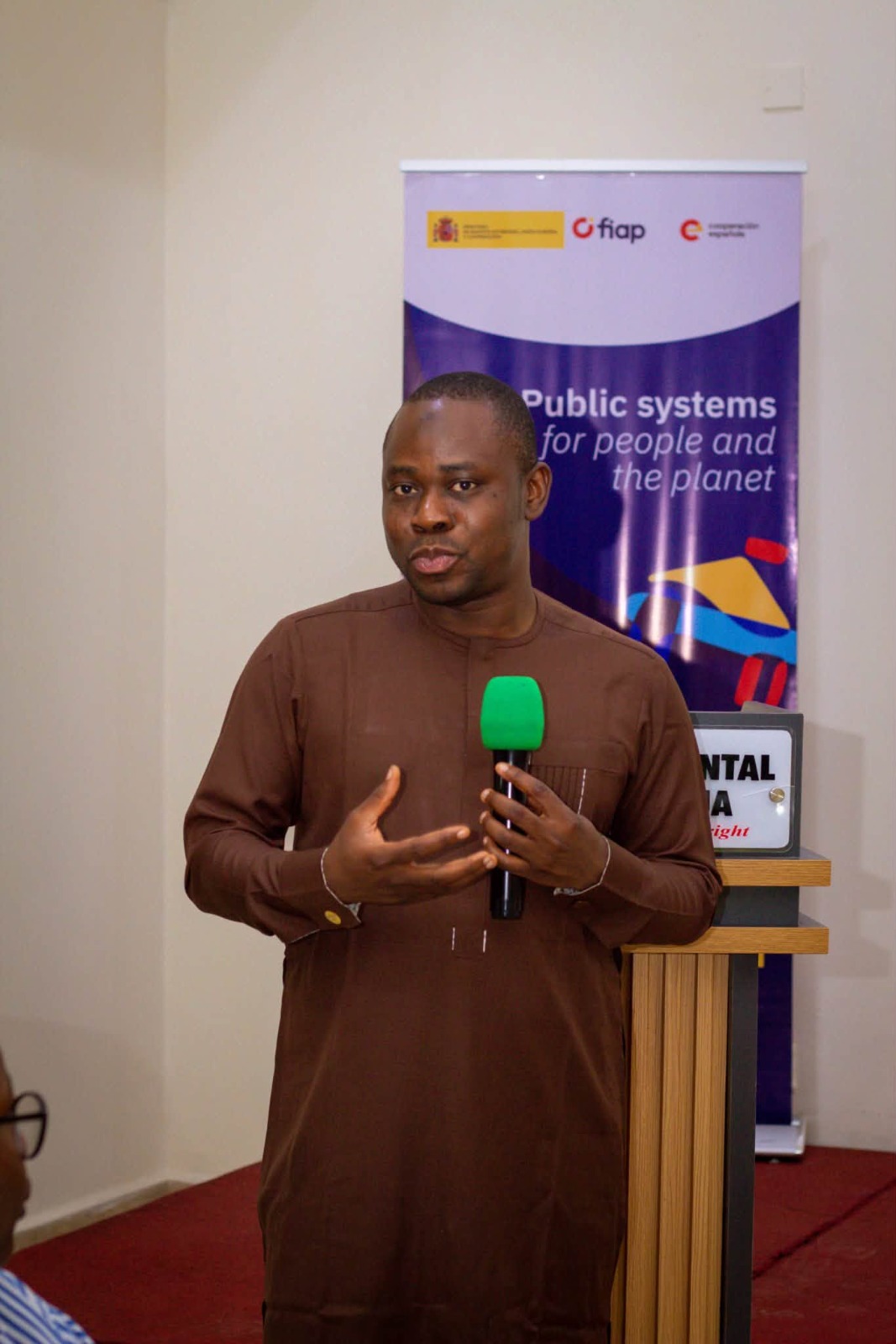
Participants were encouraged to see their online platforms not only as spaces for entertainment and personal expression but also as channels through which they can contribute to informed public discussion.
The conversation provided the wider context for the exhibition, which seeks to connect young digital voices with broader efforts to improve information integrity and public trust.
Young Creators Build Coalition Against Disinformation
Participants later moved into a Coalition-Building Workshop where they worked in groups to identify accountability partners, develop coalition commitments and explore opportunities for collaboration across regions.
The workshop brought together young creators from different parts of the country who had been exposed to different experiences during the Lagos, Enugu and Kano training camps.
The organisers said the fight against disinformation requires collaboration because false and misleading information can spread across communities and digital platforms without regard to geographical boundaries.
The participants therefore explored ways to maintain relationships formed during the training and work together on future initiatives that promote responsible digital communication.
The workshop also gave them an opportunity to identify areas where they could share knowledge, support one another and develop joint responses to emerging information challenges.
As part of the exhibition, the creators are showcasing campaign graphics, short-form videos, illustrations, photographs and pilot micro-campaigns developed during their #CheckBeforeYouPost journey.
Gen Z Creators Share Lessons From Training
The first day also featured a Cross-Cohort Dialogue that brought together participants from the Lagos, Enugu and Kano training camps to reflect on their experiences.
Bashirat Abdulganiyu, John Best Uche, Hadiza Shettima, Aishat Lawan Sani, Hannatu Bilyaminu, Ruth Bassey Okim and Ferdinand Michael Chukwunonso represented the different regional cohorts during the discussion.
They shared what they learnt from the training, the challenges they encountered and the approaches they believed could improve future engagements on electoral integrity and information disorder.
The discussion showed that although misinformation and disinformation may take different forms across communities, young creators face a common responsibility to verify information before sharing it with their audiences.
Participants also reflected on the need for digital influencers to understand the influence they wield, particularly as social media becomes an increasingly important source of information for young Nigerians.
The exhibition will continue with the public presentation of the creative works produced by the participants, giving the young creators an opportunity to demonstrate how their training can translate into practical digital campaigns.
Through the #CheckBeforeYouPost initiative, FactCheck Africa and its partners are seeking to strengthen the capacity of young Nigerians to promote credible information and contribute to a healthier information environment as the country approaches the 2027 general elections.