
By Michael Omotosho |
The Africa Centres for Disease Control and Prevention (Africa CDC) has raised fresh concerns over the rapidly worsening Ebola outbreak in the Democratic Republic of Congo (DRC), warning that the epidemic has become the largest ever recorded at this stage of an Ebola outbreak and requires an urgent, community-driven response.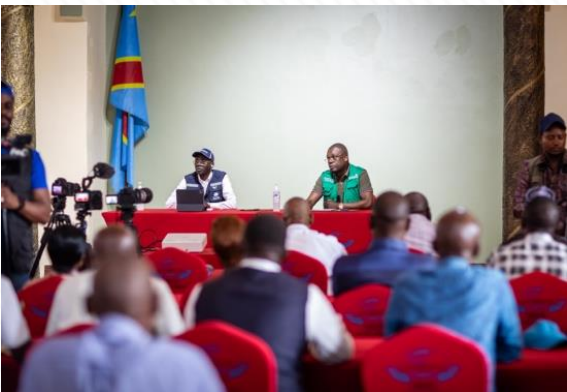
Speaking during a press briefing on August 6, Africa CDC Director General, Dr. Jean Kaseya, said the outbreak continues to spread at an alarming pace, with nearly 4,000 confirmed cases and more than 1,800 deaths recorded in just over three months.
“The decisions we make now will determine whether we reverse the trajectory of this outbreak,” Kaseya said, calling for stronger community engagement, improved healthcare services, enhanced cross-border cooperation, and greater transparency in the response.
Cases and Deaths Continue to Rise
According to Africa CDC, the outbreak recorded 518 new cases and 247 new deaths between July 29 and August 4, representing a 15 per cent increase in weekly infections compared to the previous week. During the same period, 152 patients recovered, while three additional health zones and six healthcare workers were affected.
In the data recorded the outbreak has reached 3,973 confirmed cases, 1,801 deaths, 776 recoveries, and 140 infected healthcare workers across 51 health zones in the DRC, with a case fatality rate of 45.3 per cent.
Largest Ebola Outbreak at This Stage
Africa CDC noted that by the 11th week, the current outbreak had already surpassed previous Ebola epidemics in scale.
Data presented during the briefing showed that the ongoing outbreak has recorded 8.4 times more confirmed cases and 6.1 times more deaths than the next largest Ebola outbreak at the same stage, underscoring the unprecedented speed of transmission.
Community Transmission Still a Major Concern
The agency warned that many infections continue to occur within communities before patients reach treatment centres.
Between July 21 and August 3, 343 of the 568 recorded deaths about 60 per cent occurred in communities, highlighting delays in case detection and treatment. The proportion of community deaths fluctuated between 42 per cent and 80 per cent during the period.
Africa CDC also expressed concern that contact tracing efforts remain insufficient. While the DRC is following many identified contacts, the number of contacts listed per confirmed case remains below previous outbreak benchmarks, limiting efforts to break chains of transmission.
Treatment Centres Under Pressure
The briefing revealed that treatment facilities are increasingly strained, with overall bed occupancy standing at 66 per cent.
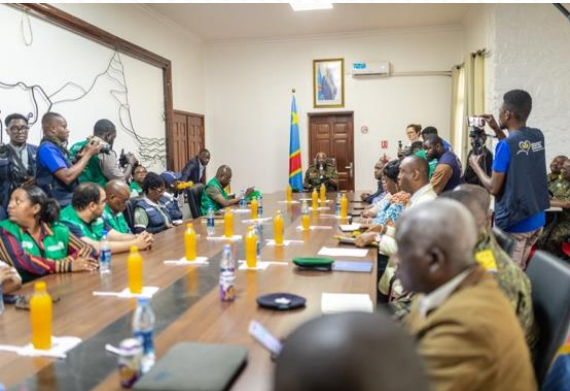
In North Kivu, treatment centres operated well above capacity throughout the week, reaching occupancy levels between 128 and 157 per cent, prompting Africa CDC to call for additional treatment facilities and stronger referral systems. Meanwhile, Ituri Province remained below capacity following the opening of a 104-bed Ebola Treatment Centre in Rwankole.
Laboratory Capacity Expands, Supply Gaps Persist
Despite improvements in laboratory capacity, Africa CDC said critical shortages remain.
The agency reported that 19 laboratories are now operational compared to just two at the start of the outbreak, with testing capacity exceeding 3,000 samples per day. However, a US$5.58 million supply gap remains for the next three months, while four critical commodities are currently in limited supply.
Vaccines and Treatments Progressing
Africa CDC said several vaccine candidates and therapeutic drugs are advancing through clinical trials.
Trials involving treatments such as MBP134, Remdesivir, and Obeldesivir are ongoing, while multiple Ebola vaccine candidates have entered or are preparing for Phase 1 clinical trials, supported largely by the Coalition for Epidemic Preparedness Innovations (CEPI).
Funding Boost for Ebola Response
The response has also received significant financial support.
Africa CDC disclosed that the United States intends to provide an additional US$242 million for Ebola response activities, bringing total U.S. commitments to more than US$512 million.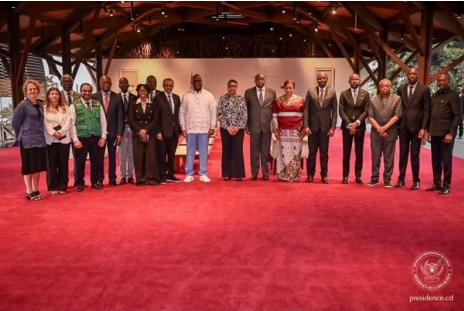
The funding will support emergency response operations, regional preparedness efforts, and humanitarian assistance across affected areas.
Africa CDC Outlines Seven Immediate Priorities
To curb the outbreak, Dr. Kaseya said Africa CDC and its partners have agreed on seven urgent actions, including establishing a village-centred response, expanding free healthcare services, accelerating digital tools for outbreak management, protecting the reopening of schools, integrating humanitarian and health interventions, strengthening cross-border collaboration, and improving coordination, transparency, and accountability.
The Africa CDC Director General stressed that communities must be placed at the centre of the response, noting that stronger partnerships with local leaders, improved access to healthcare, and sustained international support will be critical to bringing the outbreak under control.
Share this


