
Civil society organisations (CSOs) have backed ongoing Federal Government efforts to reform Nigeria’s social protection system, while calling for stronger accountability, transparency and coordination to ensure interventions effectively reach vulnerable citizens.
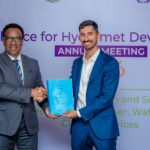
The call was made during the Second National Advisory Working Committee meeting organised by the African Network for Environment and Economic Justice (ANEEJ), with support from the European Union-funded Social Protection Project, The Act Naija, in Abuja.
Stakeholders at the meeting reviewed progress recorded under the project, particularly in improving the delivery of cash transfer programmes and strengthening citizen participation in social protection initiatives across participating states and the Federal Capital Territory.
Executive Director of ANEEJ, David Ugolor, commended the Federal Ministry of Humanitarian Affairs and Poverty Reduction for implementing reforms aimed at improving social protection delivery and ensuring better outcomes for vulnerable households.
Ugolor said building an effective social protection system requires transparency, accountability and inclusiveness, stressing that interventions must respond to the needs of poor and vulnerable Nigerians.
Social Protection Gets Fresh Push
Ugolor said the project had recorded progress across seven participating states and the Federal Capital Territory through community engagement, capacity building for CSOs and improved monitoring of cash transfer programmes.
He noted that the initiative had strengthened citizen participation, improved transparency and generated evidence that could guide future social protection policies in Nigeria.
According to him, the National Advisory Working Committee has become an important platform for providing policy direction, improving coordination among stakeholders and ensuring that recommendations from the project translate into practical improvements.
Also speaking at the meeting, Deputy Speaker of the Kogi State House of Assembly, Hon. Comfort Ojoma Nwuchiola, highlighted the role of the project in promoting social protection legislation at the state level.
Nwuchiola disclosed that a draft Social Protection Bill had been developed in Kogi State following consultations with relevant ministries and stakeholders and had reached the executive stage for consideration before presentation to the State House of Assembly.
Calls Grow for Better Accountability, Coordination
The European Union Programme Manager, Ms. Chioma Osuji, reaffirmed the EU’s commitment to supporting Nigeria’s efforts to develop a more coordinated and accountable social protection system.
Osuji described effective social protection as an investment in human dignity, resilience and inclusive development, while commending progress made by the Federal Government and participating states in expanding coverage.
However, she identified weak coordination structures, fragmented implementation across states, limited information sharing and poor alignment between federal and state actors as challenges affecting the effectiveness of social protection programmes.
She stressed the need for stronger collaboration among government institutions, civil society organisations and development partners to improve programme delivery and ensure assistance reaches intended beneficiaries.
Representing the Minister of Humanitarian Affairs and Poverty Reduction, the ministry’s Director, Garba Magaji, said the government was committed to adopting a whole-of-government and whole-of-society approach to poverty reduction and social protection.
Protecting Nigeria’s Vulnerable Through Inclusion
Magaji said the ministry was working to reduce fragmentation, strengthen institutional partnerships and promote evidence-based interventions that would improve the delivery of humanitarian assistance and social protection programmes.
He commended CSOs, development partners, lawmakers and the media for supporting government efforts through advocacy, policy engagement and accountability initiatives.
The Deputy Speaker of the Kogi State House of Assembly also identified advocacy, research, citizen engagement and evidence generation as important achievements of the project.
She expressed optimism that the pilot initiative could be expanded to more states if the programme continues to deliver positive outcomes for vulnerable populations.
Stakeholders at the meeting agreed that sustained cooperation among government agencies, civil society groups, development partners and legislators remains critical to building a transparent and inclusive social protection system capable of improving the welfare of millions of Nigerians.
CSOs Back FG Social Protection Reforms, Seek Stronger Support System
Share this