
By Peter Emmanuel |
The Pan-African Climate Justice Alliance (PACJA) has announced plans to train more than 500 additional young people in climate justice, targeting over 3,000 trained young climate leaders from Africa and beyond.
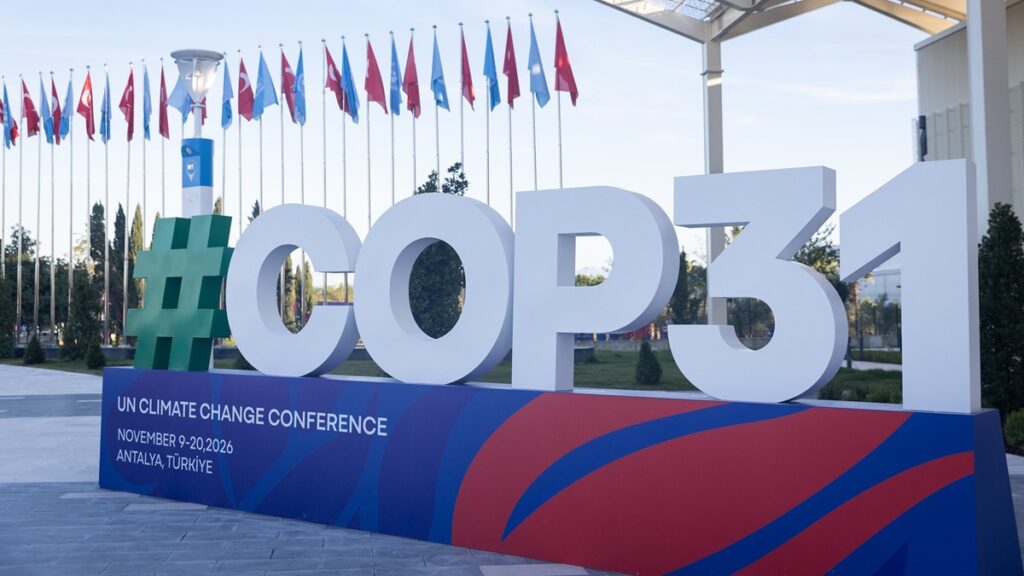
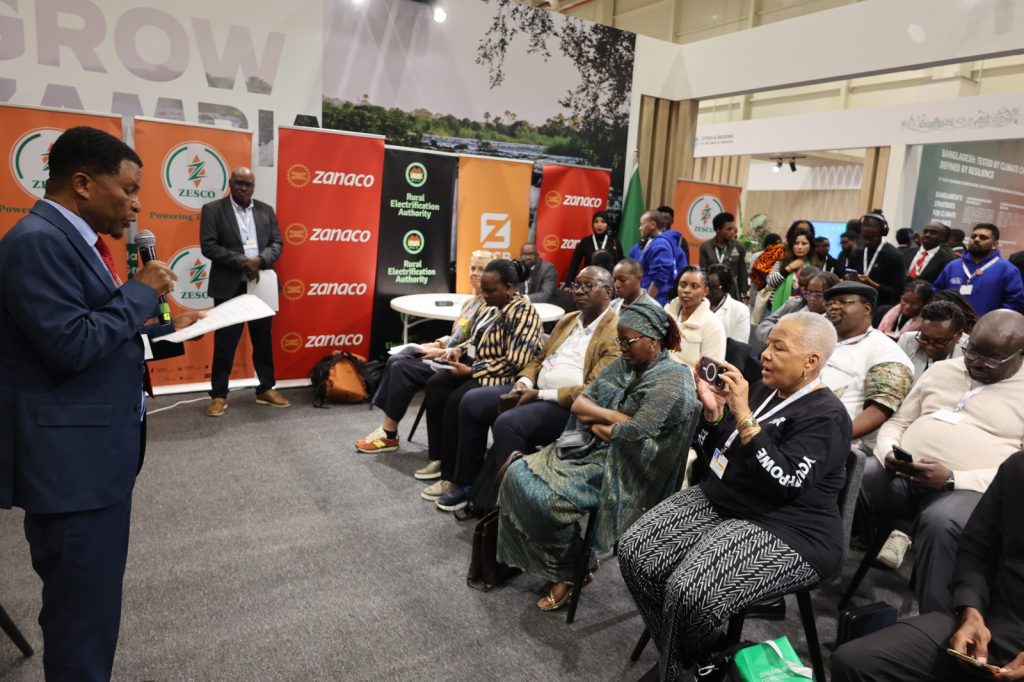
The organisation disclosed this during the launch of applications for the sixth cohort of its Nairobi Summer School on Climate Justice (NSSCJ), held on the sidelines of the 31st Conference of the Parties (COP31) to the United Nations Framework Convention on Climate Change in Antalya, Türkiye.
The next cohort of the programme is scheduled to hold from June 20 to July 3, 2027, in Addis Ababa, Ethiopia, with participants expected to receive training in climate negotiations, climate finance, adaptation, loss and damage, just transition and accountability.
PACJA, a coalition of more than 2,000 organisations working on climate action across 54 African countries, said the initiative is designed to strengthen young people’s participation in climate policy discussions and decision-making.
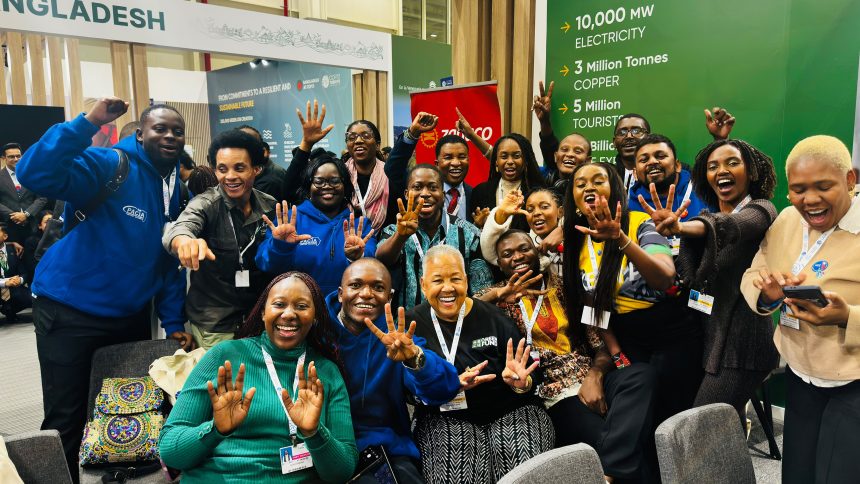
The organisation said more than 2,500 young people from 144 countries have participated in the first five cohorts, with several graduates now contributing to climate negotiations, policy advocacy, research and other climate-related engagements across Africa and globally.
PACJA Opens Applications for 2027 Climate Justice Training in Addis Ababa
The sixth cohort of the Nairobi Summer School on Climate Justice will bring together young people from Africa and other parts of the world for an intensive capacity-development programme in Addis Ababa.
According to PACJA, participants will learn how international climate negotiations operate and gain practical knowledge of key issues, including climate finance, adaptation, loss and damage, just transition and accountability.
The programme will also feature mock negotiations and engagements with climate negotiators, policymakers and experts to give participants practical exposure to international climate policy processes.
Prospective applicants must be between 18 and 35 years old and possess at least a high school certificate.
PACJA said it would prioritise applications from communities and regions most vulnerable to climate change across Africa and the Global South, particularly young people from indigenous communities, grassroots movements, women’s groups, universities and policy institutions.
The organisation also disclosed that the summer school would henceforth hold every two years, in line with its strategic plan for 2026 to 2030.
Organisation Targets Over 3,000 Young Climate Leaders Through Expanded Programme
PACJA Executive Director, Mithika Mwenda, said the initiative was established in 2020 to address the limited representation of young Africans in climate decision-making structures.
He noted that young people constitute as much as 60 per cent of Africa’s population but occupy less than five per cent of positions where climate decisions are made.
According to him, the summer school was designed to bridge this gap by equipping young people with the knowledge, skills and experience required to participate meaningfully in climate negotiations and policy development.
Mwenda described the initiative as an impactful platform for developing young climate leaders, noting that its previous five cohorts had trained more than 2,500 participants from 144 countries.
The organisation said the additional 500 participants expected from the sixth cohort would take the programme’s total number of trained young people beyond 3,000.
Augustine Njamnshi, Executive Director of the African Centre for Green Economy and Chair of PACJA’s Political and Technical Affairs, said the initiative was established to build climate justice knowledge across generations and prepare future African leaders to influence the continent’s climate future.
He said young Africans should not merely be invited to participate in climate discussions but should be adequately prepared to contribute to negotiations and policy decisions.
Njamnshi also announced that PACJA would prepare a group of programme graduates to participate in COP32, adding that the organisation would continue to connect young people with negotiators, policymakers and climate experts.
African Union Commends PACJA’s Role in Grooming Young Climate Negotiators
The African Union has acknowledged PACJA’s contribution to developing young climate negotiators through its Nairobi Summer School on Climate Justice.
Samuel Ogalla, Head of the Climate Change Unit at the African Union, said he was impressed by the performance of candidates selected for the first cohort of young climate negotiators under the continental body.
He noted that many of the successful candidates had received training through PACJA’s summer school, describing the programme as an important contributor to building the capacity of young Africans to participate in international climate negotiations.
Ogalla said the trained young negotiators were now representing Africa and engaging in different thematic areas under the United Nations Framework Convention on Climate Change, including climate finance and adaptation.
He attributed their preparedness to the capacity-development opportunities provided by PACJA through the summer school.
Njamnshi also acknowledged the support of institutions and development partners, including the African Development Bank, United Nations Economic Commission for Africa, Swedish Development Agency, East African Legislative Assembly and HBCU Green Fund, in supporting the programme.
Programme Alumni Share Impact of Climate Justice Training on Advocacy and Policymaking
Graduates of the Nairobi Summer School on Climate Justice have also described how the programme has influenced their involvement in climate advocacy, policymaking and community development.
Shampi Anna, an alumna of the fourth cohort, said graduates were working with young parliamentarians in Kenya to advance climate-related legislation, lobbying and advocacy.
She explained that their engagement with lawmakers had helped connect climate advocacy efforts with the country’s legislative processes.
“We worked, and we continue to work with young parliamentarians in Kenya. We have been successful in passing bills, lobbying and working closely with parliamentarians to make sure our work and advocacy go hand in hand with the laws of our country,” Anna said.
Another graduate of the fourth cohort, Smriti Shah, said the programme changed her understanding of climate justice, which she had previously considered a highly political subject.
She said the training taught her how to communicate the concerns of local communities to policymakers and incorporate climate justice into humanitarian programmes.
A Nigerian participant from the fifth cohort, Anuoluwapo Otubusin, also described the programme as a turning point in her understanding of advocacy, policy influence, solidarity and her role in shaping a feminist climate future.
She said the experience went beyond conventional climate training and strengthened her understanding of how young people could contribute to climate action and policy discussions.
Share this