

In a decisive move to dismantle the virtual barriers facing millions of Nigerians, the Center for Inclusive Development (CID) has successfully concluded a high-level digital accessibility training series in the nation’s capital.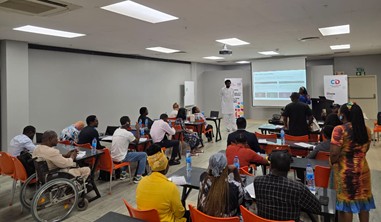
Supported by the Disability Rights Fund, the three-day workshop held from April 28-30, 2026, marks a critical milestone in the “Enhancing Digital Accessibility for Persons with Disabilities in Nigeria” (EDAPDN) project.
The initiative brought together a strategic mix of Organizations of Persons with Disabilities (OPDs), IT professionals, and software developers. The goal was simple yet transformative: ensuring that Nigeria’s rapidly evolving digital economy does not leave behind citizens with visual, auditory, motor, or cognitive impairments.
Breaking the Silicon Ceiling
For many, the internet is a gateway to opportunity, but for Nigerians with disabilities, it is often a landscape of digital roadblocks. From banking applications and fintech apps that lack screen-reader compatibility to INEC e-registration portals featuring overly complex language, the current ecosystem frequently excludes those it should serve.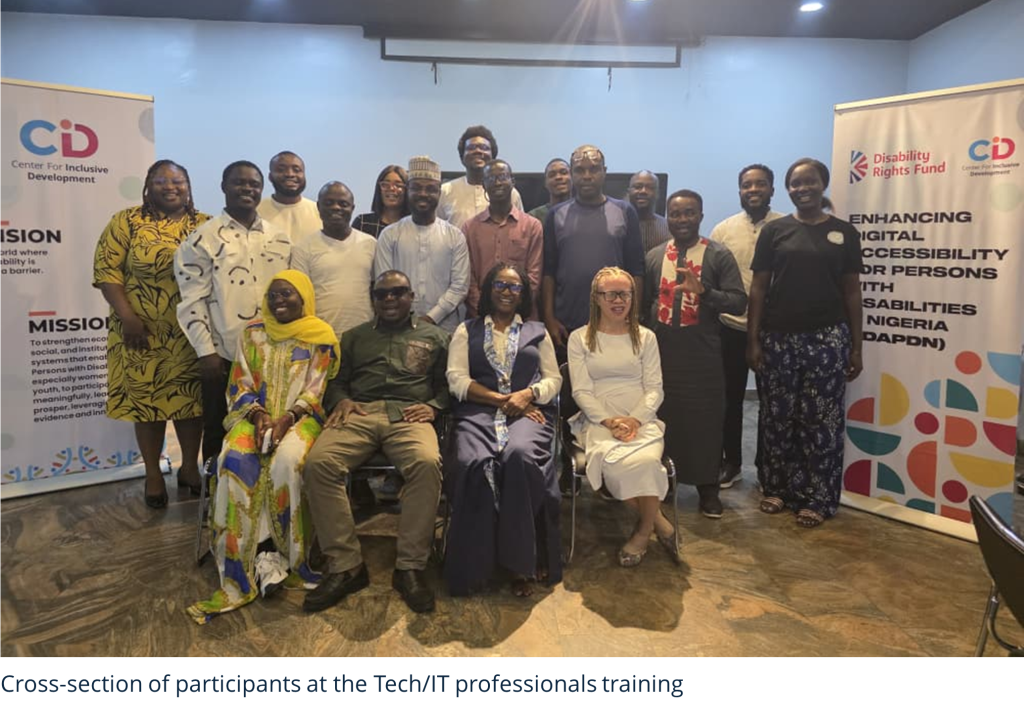
“Beyond awareness, we want these organizations to have the technical capacity to audit digital platforms, identify errors, and use that evidence to push for change,” stated Isaiah Ude, Program Manager of the EDAPDN Project. “We expect OPDs to lead accessibility audits and drive digital accessibility advocacy in their own right.”
Legal Mandates and Technical Solutions
The training highlighted that accessibility is a legal obligation, not a choice. Participants explored the Discrimination Against Persons with Disabilities (Prohibition) Act of 2018 and the NITDA Strategic Roadmap, which mandate inclusive infrastructure. Experts emphasized that the Web Content Accessibility Guidelines (WCAG 2.1) must move from being mere references in government procurement to being active standards in every line of code written in Nigeria.
The sessions provided hands-on experience with assistive technologies, including keyboard navigation tools and switch controls. Developers were challenged to view accessible code as a hallmark of professional excellence and a fundamental human right.
A Call for Foundational Change
The workshop concluded with a strong sense of urgency from the tech community. David Owumi, a digital accessibility expert and lead trainer, noted that disability inclusion is ultimately about the environment rather than the individual. He argued that the responsibility lies with creators to build channels that guarantee universal access.
The impact of the training is already manifesting in the commitments made by industry players. Michael Junior Agom, a tech expert at Paycrest Inc., underscored the shift in perspective required within the private sector.
“Accessibility isn’t a feature you add later; it’s part of the foundation,” Agom said. “This session opened up honest conversations about how digital products are designed, what gets missed, and what it takes to build systems that actually work for everyone. Let’s get to work.”
Building an Inclusive Future
Through the EDAPDN project, CID continues to engage with both the public and private sectors to ensure digital inclusion becomes the national norm. By equipping advocates with the tools to audit and developers with the skills to build, the initiative is laying the groundwork for a Nigeria where economic opportunity and civic participation are truly available to all, regardless of physical or cognitive ability.
Share this


