
For decades, Africa’s battle against tobacco has largely been viewed through the lens of smoking prevention, disease control and public awareness campaigns. But public health experts say the challenge has expanded beyond cigarettes, as tobacco companies continue to adapt their strategies, influence public conversations and seek space in policy discussions.
At the centre of this evolving battle is the need for stronger monitoring systems capable of identifying and responding to tobacco industry interference in public health policies.
It was against this backdrop that the Africa Centre for Tobacco Industry Monitoring and Policy Research (ATIM) convened public health advocates, researchers, journalists and policymakers from across Africa for its third Tobacco Industry Monitoring (TIM) training course in Lagos, Nigeria.
The five-day programme, held in Nigeria for the first time, brought together participants from 12 African countries, including Kenya, Nigeria, Benin, Botswana, South Africa, Sierra Leone, Côte d’Ivoire, Ethiopia, Uganda, Zambia, Senegal and Zimbabwe.
The training represents a growing continental effort to strengthen Africa’s ability to track tobacco industry activities, generate evidence and protect public health policies from commercial interests that experts say could undermine tobacco control progress.
A New Front in Africa’s Tobacco Control Battle
Led by internationally recognised tobacco control expert, Prof Lekan Ayo-Yusuf, the training focused on equipping participants with practical skills to monitor, analyse and counter tobacco industry interference.
Ayo-Yusuf, who is the Director of ATIM and Head of the School of Health Systems and Public Health at the University of Pretoria, said tobacco industry interference remains a major challenge affecting public health efforts across Africa.
He explained that the course was designed to move advocates from simply reacting to tobacco industry activities to proactively identifying, documenting and responding to emerging strategies through evidence-based action.
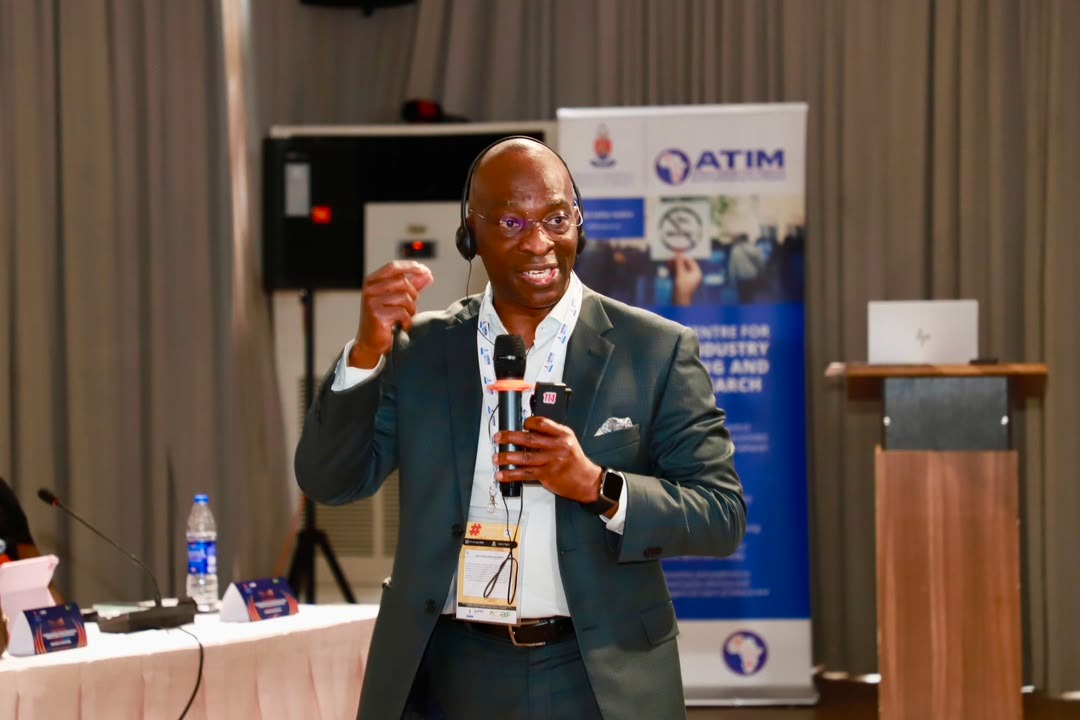
“The course is intended to strengthen the capacity of tobacco control advocates to effectively monitor and counteract tobacco industry interference in public health policies in Africa,” Ayo-Yusuf said.
He added that participants would be equipped to analyse industry documents, identify front groups and third-party allies, understand emerging industry strategies and develop advocacy approaches that support effective tobacco control policies.
Nigeria’s Role in Africa’s Tobacco Control Movement
The decision to host the ATIM training in Lagos for the first time highlights Nigeria’s growing role in Africa’s tobacco control efforts.
Over the years, Nigeria has introduced policies aimed at reducing tobacco-related harm, including the National Tobacco Control Act, which provides a framework for regulating tobacco products and protecting public health.
However, public health advocates have continued to emphasise that strong laws must be supported by effective implementation, monitoring and public awareness to achieve meaningful results.
For organisations working in tobacco control, Nigeria’s position as one of Africa’s most populous countries makes its approach to tobacco regulation significant for the wider continent.
The participation of Nigerian journalists, civil society organisations and public health advocates in the ATIM training also reflects the importance of local capacity in tracking industry activities and informing public debate.
Tracking an Evolving Tobacco Industry
Public health advocates argue that tobacco companies have continued to reinvent their approaches as governments introduce stronger regulations.
Akinbode Oluwafemi, Executive Director of Corporate Accountability and Public Participation Africa (CAPPA), said the changing strategies of the tobacco industry made it necessary to prepare a new generation of advocates with modern monitoring skills.
“Some of us have been in tobacco control advocacy for close to three decades and we recognise the need to build the next generation of advocates,” Oluwafemi said.

He noted that the ATIM programme brings together government officials, civil society actors, economists and public health advocates to strengthen collective action against tobacco industry influence.
According to him, the industry has increasingly promoted what he described as a false narrative around harm reduction, making it important for advocates to understand emerging trends and ensure governments enforce existing tobacco control laws.
“The industry continues to spread misleading narratives, get our youths and children addicted, and governments should enforce the WHO Framework Convention on Tobacco Control (WHO FCTC) and national laws,” Oluwafemi added.
Why Africa Needs Stronger Tobacco Industry Monitoring
Africa remains a critical region in global tobacco control efforts because of its growing population, large youth demographic and changing consumer markets.
Experts say tobacco industry monitoring has become necessary because public health decisions can be affected when commercial interests attempt to influence policy discussions.
Monitoring, advocates explain, goes beyond tracking tobacco products. It involves understanding industry strategies, identifying networks of influence and producing evidence that can support stronger health policies.
The ATIM training therefore focuses on practical skills, including searching and interpreting tobacco industry documents, identifying third-party actors, documenting industry activities and developing advocacy responses.
Participants said the programme had provided them with knowledge and tools needed to strengthen tobacco control efforts in their respective countries.
Jackline Mbone Juma, a youth tobacco control advocate with the Kenya Tobacco Control Alliance and Health Promotion, said the training had improved her understanding of industry monitoring.
“We’ve learnt a lot. We’ve been able to gain hands-on skills on how to conduct industry monitoring and how we can also research and access tobacco industry documents,” she said.
Building Africa’s Next Generation of Public Health Defenders
Beyond advocacy organisations, journalists are also expected to play an important role in monitoring tobacco industry activities and informing citizens.
Emmanuel Onwuka, a journalist and Communications Officer at the Nigeria Tobacco Control Alliance (NTCA), said the training came at a critical time as the tobacco industry continues to develop new products and marketing strategies targeting young people.
He said the ATIM Building Capacity in Industry Monitoring for Effective Tobacco Control Advocacy in Africa (BETA 3.0) training would improve his ability to monitor, document and report tobacco industry interference.
As tobacco companies continue to adapt their strategies, public health advocates believe that stronger monitoring capacity will determine how effectively African countries protect their health policies.
ATIM’s intervention represents part of a broader continental effort to ensure that tobacco control decisions are guided by public health priorities rather than commercial interests.
For Africa’s tobacco control movement, the battle is no longer only about reducing cigarette consumption. It is also about strengthening the institutions, advocates and watchdogs capable of identifying and challenging influences that threaten public health progress.
Share this


