

The African Union Commission for Political Affairs, Peace and Security (AUC-PAPS), in collaboration with the Australian Embassy in Ethiopia and the United Nations Office to the African Union (UNOAU), has officially convened a high-level Roundtable Dialogue on Climate, Peace and Security (CPS) in Africa.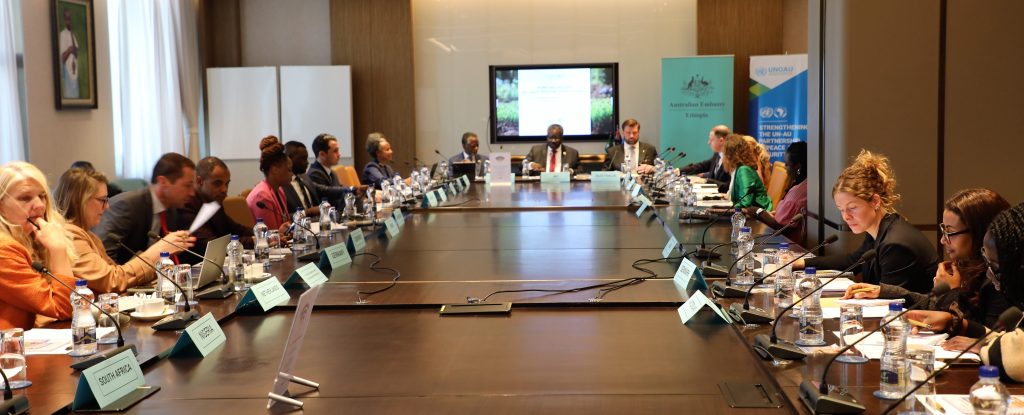
Held in Addis Ababa, the crucial gathering brought together representatives from the AUC, AU Member States, UN agencies, upcoming COP Presidencies, think tanks, civil society, and academia to forge a unified path ahead of the upcoming COP31 and COP32 summits.
The strategic dialogue aims to deepen the shared understanding of climate-security dynamics, review emerging African policy responses, and establish practical entry points for joint advocacy. Organizers expect the benchmark event to result in strengthened AU–UN cooperation and enhanced global partnerships to advance Africa-led climate priorities.
Rejecting the Securitization of the Climate Crisis
Opening the dialogue, Dr. Philip Attuquayefio, Climate, Peace and Security Adviser at the African Union, clarified the continental body’s stance on how environmental degradation impacts stability. He firmly rejected viewing the crisis through a purely military framework.
“Climate change does not, in and of itself, cause insecurity. However, where communities already face fragility, inequality and instability, its impacts can deepen vulnerabilities, intensify pressures on livelihoods and institutions, and make peace more difficult to sustain,” Dr. Attuquayefio stated. “The African Union therefore approaches Climate, Peace and Security through a risk-informed and human-security lens. This approach does not equate climate change with conventional security threats; it does not transfer Climate Security into the realm of militarised response and it does not privilege security interventions over adaptation, resilience and sustainable development.”
Echoing this sentiment, H.E. Amb Lemlem Fiseha, Permanent Representative of the Federal Democratic Republic of Ethiopia (FDRE) to the AU and UNECA, representing the incoming host of COP32, reaffirmed Africa’s commitment to anchoring all climate action firmly within sustainable development.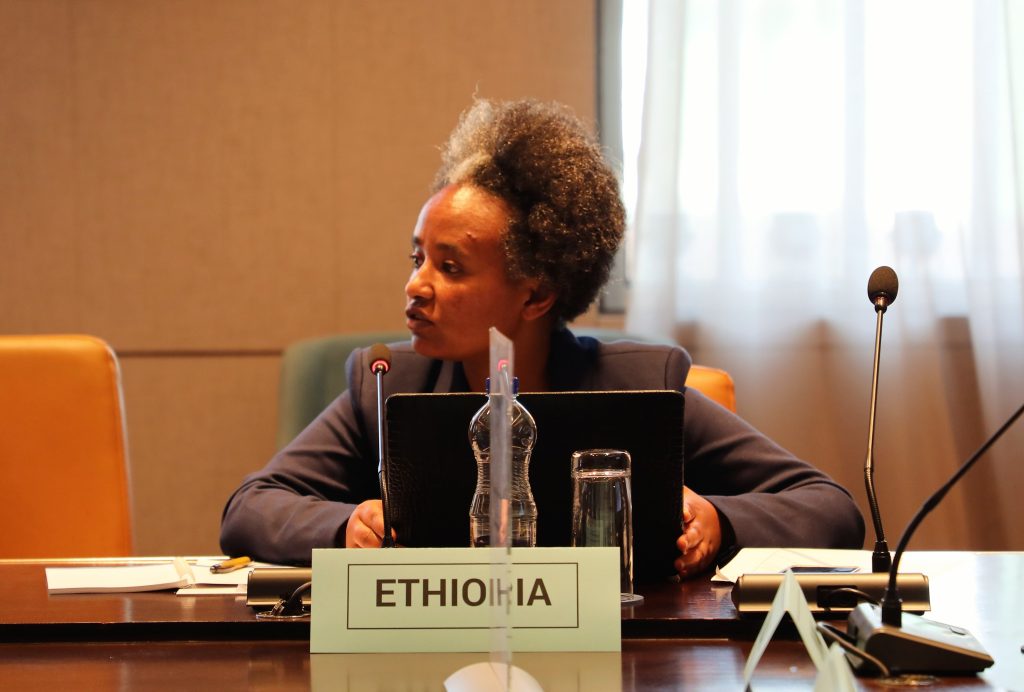
“We believe our response should remain firmly anchored in development rather than securitization,” Ambassador Fiseha emphasized. “The discussion on security implications of adverse impacts of climate change should be used to increase the alarm to urge more climate action and amplify the decisions of the climate process, including mitigation and adaptation as global overriding priorities.”
Global Partners Rally Support Ahead of COP31 and COP32
The roundtable highlighted the critical role of international cooperation in building regional resilience. H.E. R.R. Nasibov, Ambassador of the Republic of Azerbaijan to Ethiopia and Permanent Representative to the AU, reflected on the milestones achieved during COP29, specifically pointing to the Baku Call on Climate Action for Peace, Relief and Recovery.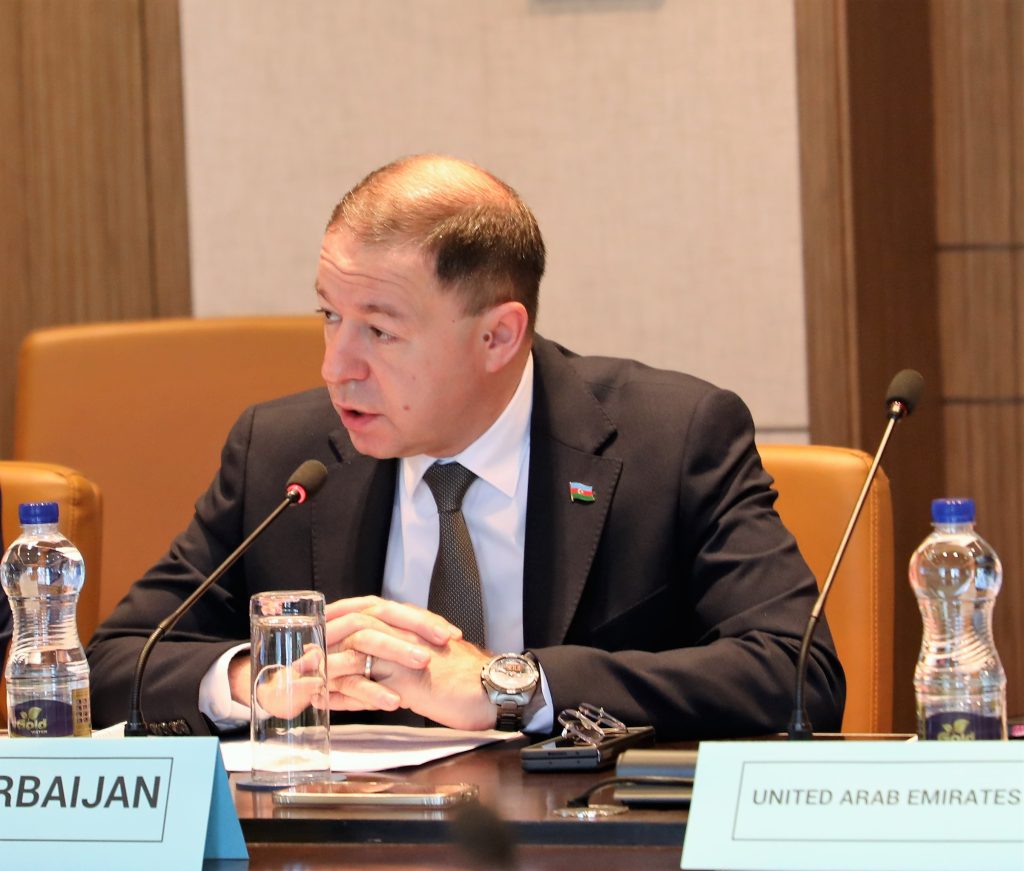
“The Baku Call represented an important political commitment to recognize the interlinkages between climate change, humanitarian action, peacebuilding and sustainable development,” Ambassador Nasibov noted. “The climate crisis demands partnerships that transcend geography and politics. No country can address these complex challenges alone.”
Representing Australia, a key co-host partner ahead of COP31, H.E. Amb. Peter Hunter, Ambassador of Australia to Ethiopia, reiterated his country’s commitment to working hand-in-hand with African institutions to elevate locally led solutions.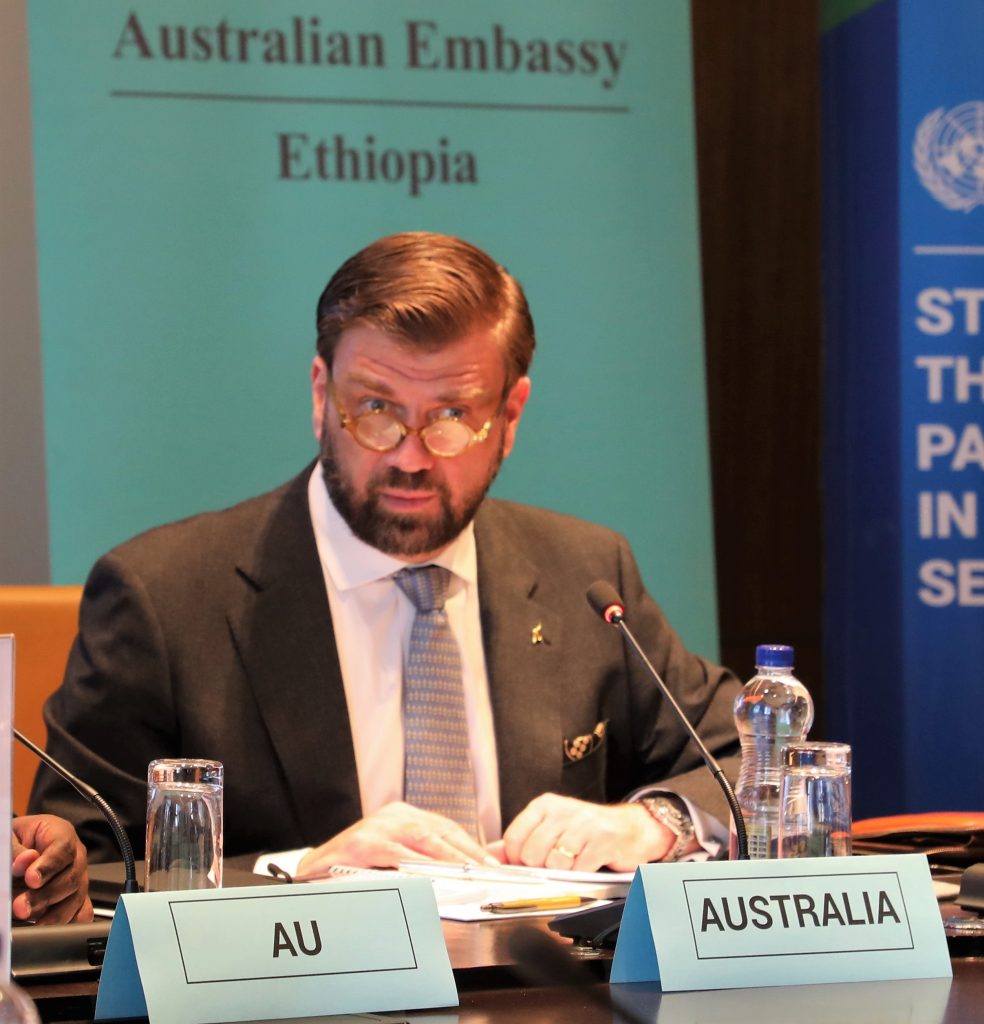
“Climate change is one of the defining challenges of our time. Its impacts are increasingly intersecting with peace and security, particularly in regions already affected by fragility and conflict,” Ambassador Hunter stated. “Australia is committed to working with African partners, the African Union and the UN to strengthen cooperation, support locally led solutions and build resilience in communities most affected.”
Integrating Adaptation into National Planning
As the opening sessions concluded, participants universally called for immediate institutional adjustments to mitigate the cascading risks of environmental shocks on public infrastructure and state stability.
H.E. Parfait Onanga-Anyanga, Special Representative of the UN Secretary-General (SRSG) to the African Union and Head of UNOAU, delivered a sobering assessment of the current crisis, demanding that environmental risks be immediately institutionalized into state governance.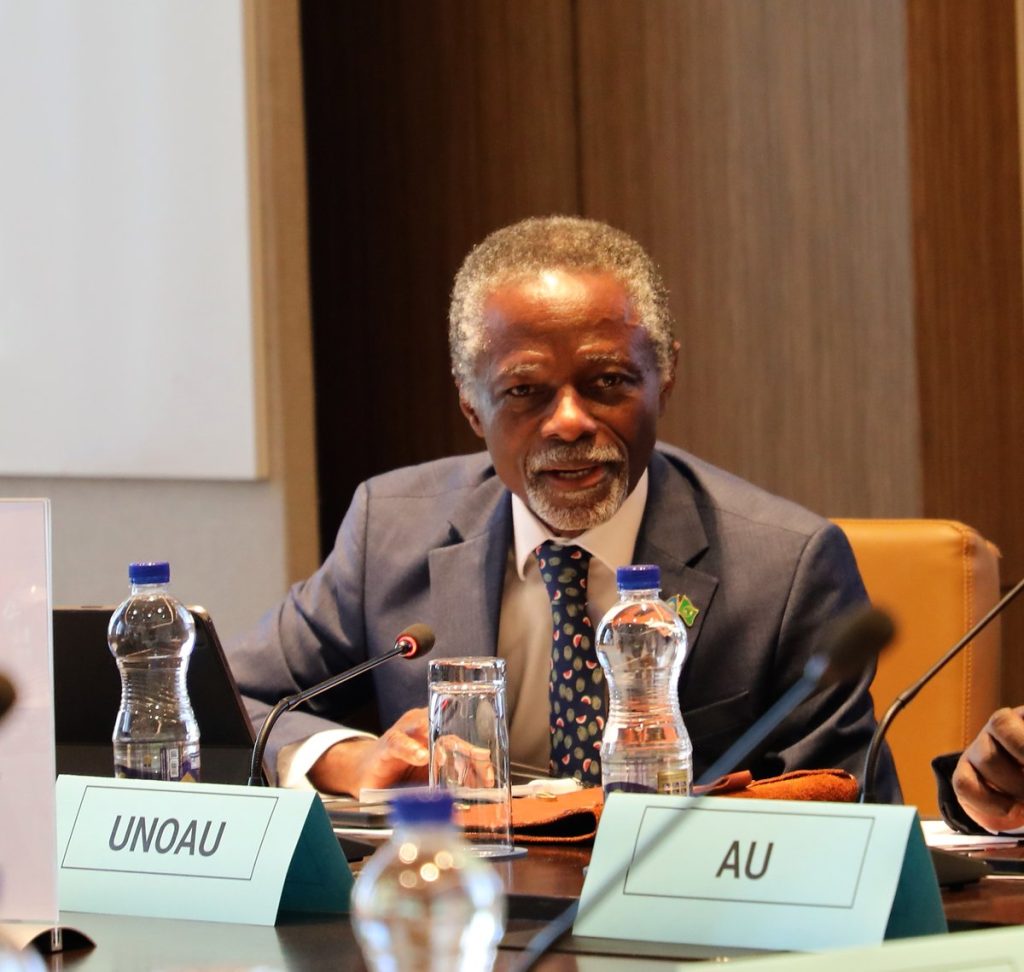
“Climate impacts are already reshaping development, stability, and security. They are straining food and water systems, disrupting supply chains, pressuring public finances, and deepening fragility,” Onanga-Anyanga warned. “We must respond accordingly. Adaptation must be built into national planning and decision making.”
Moving forward, the outcomes of the dialogue are projected to drive policy coherence and accelerate the implementation of the Common African Position on Climate, Peace and Security, ensuring Africa’s vulnerabilities are met with robust, coordinated sustainable development strategies on the road to COP31 and COP32.
Share this


