The African Union has renewed its call for stronger African-led financial institutions and urgent reforms of the global financial and debt architecture, warning that Africa must take decisive steps to achieve financial sovereignty and reduce overdependence on external funding systems.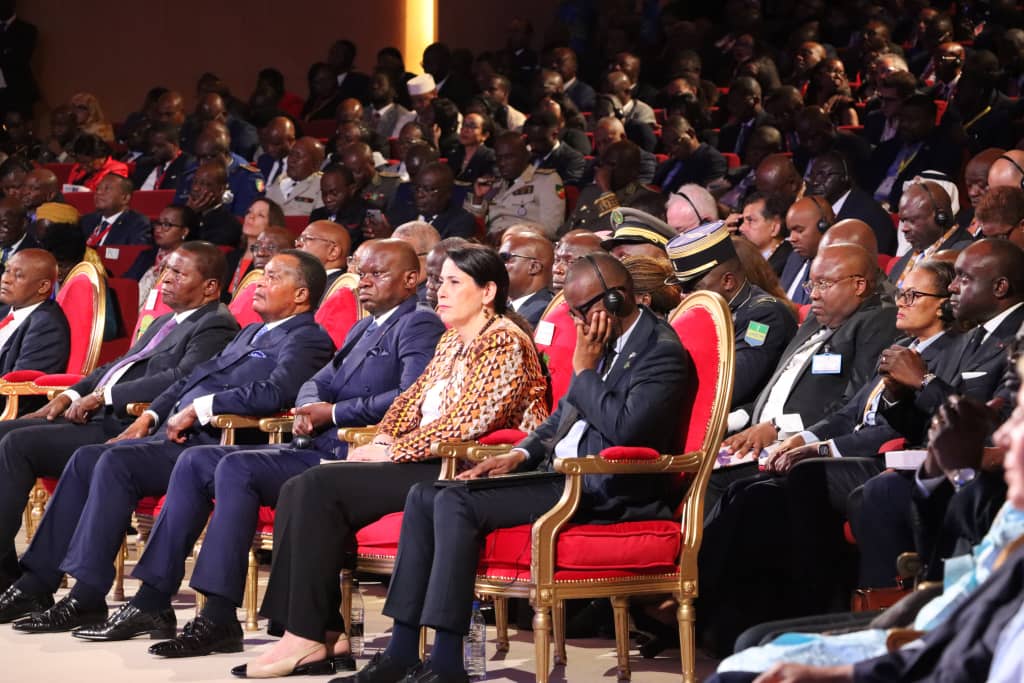
The position was presented at the 2026 African Development Bank (AfDB) Annual Meetings in Brazzaville, Republic of Congo, where the African Union Commission delegation represented the Chairperson of the African Union Commission, Mahmoud Ali Youssouf.
The delegation said Africa’s current development trajectory requires bold structural reforms that will allow the continent to mobilise its own resources at scale. It stressed that existing global financial arrangements are no longer sufficient to meet Africa’s growing infrastructure and development needs.
It added that while international partnerships remain important, Africa must increasingly design, fund, and manage its own development priorities through strengthened continental institutions and coordinated financial frameworks.
Africa’s Financing Gap and Untapped Economic Potential
The AU warned that Africa continues to face a significant financing gap across key sectors, including infrastructure, energy, industrialisation, agriculture, healthcare, education, and job creation. It noted that this gap remains one of the biggest obstacles to achieving the objectives of Agenda 2063.
Despite these challenges, the AU said Africa remains richly endowed with resources that position it as a future global growth engine. These include a fast-growing youthful population, vast mineral deposits, expanding digital economies, and abundant renewable energy potential.
The statement also highlighted the African Continental Free Trade Area (AfCFTA) as a transformative platform capable of unlocking intra-African trade and boosting industrial production if adequately financed and supported.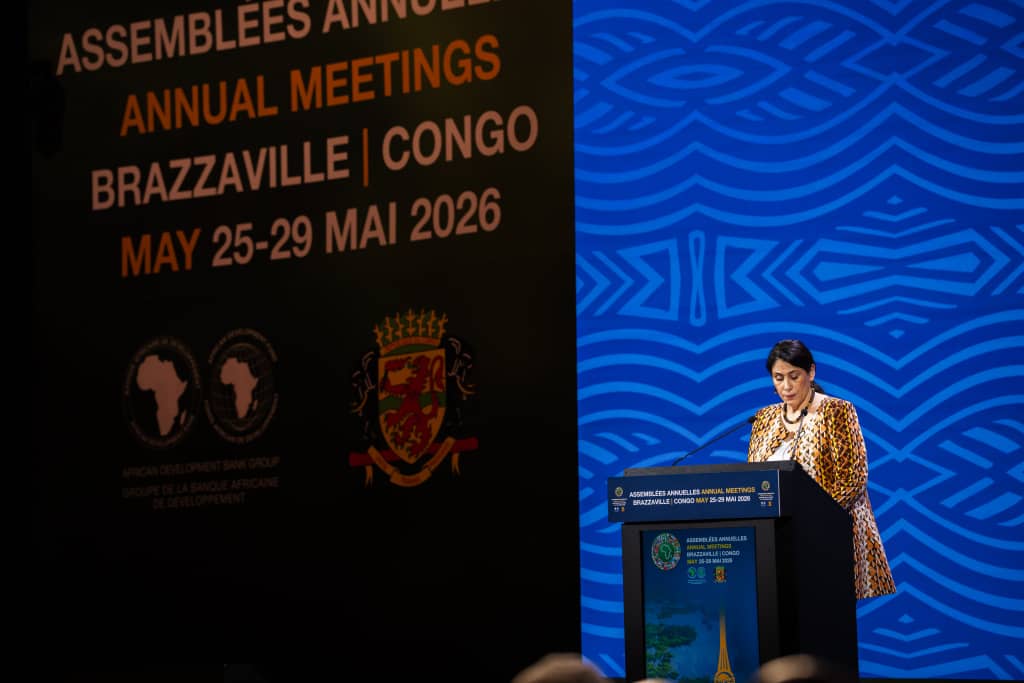
However, the AU cautioned that without sustainable and large-scale financing mechanisms, Africa risks underutilising these opportunities and slowing its long-term economic transformation.
Push for Domestic Resource Mobilisation and Capital Unlocking
A major focus of the AU address was the urgent need for African countries to mobilise domestic capital as a primary driver of development financing. The delegation noted that Africa already holds vast but underutilised financial resources within its economies.
These include pension funds, insurance assets, sovereign wealth funds, diaspora remittances, green bonds, and emerging digital financial instruments. The AU argued that these resources must be properly structured and channelled into productive long-term investments.
It called for stronger regulatory frameworks that can de-risk investments and attract both local and international capital into critical development sectors such as infrastructure, manufacturing, and energy.
The AU further urged African financial institutions to deepen collaboration in order to create a unified investment ecosystem that prioritises long-term development over short-term financial returns.
Abidjan Consensus and African Financial Architecture Reform
The AU strongly endorsed the 11-point Abidjan Consensus on the New African Financial Architecture, describing it as a landmark initiative aimed at reshaping how development finance is mobilised and managed across the continent.
The framework is designed to address systemic weaknesses in Africa’s financial ecosystem, improve coordination among institutions, and close the continent’s estimated $400 billion annual development financing gap.
It also seeks to reduce dependence on external financing models that often come with restrictive conditions and limited alignment with Africa’s development priorities.
The AU said the Consensus represents a shift toward financial independence, where African institutions play a central role in shaping and financing the continent’s development agenda.
It added that implementation of the framework will require strong political commitment, institutional cooperation, and regulatory reforms across member states.
Credit Rating Reform, Debt Governance and Institutional Integration
The AU also highlighted the establishment of the African Credit Rating Agency as a key milestone in correcting long-standing imbalances in global credit assessment systems.
It noted that existing international rating agencies have often applied methodologies that do not fully reflect African economic realities, resulting in higher borrowing costs and reduced access to global capital markets.
The new African Credit Rating Agency is expected to provide more balanced, transparent, and context-driven assessments that reflect Africa’s growth potential and reform efforts.
The AU further reiterated plans to operationalise key continental financial institutions, including the African Investment Bank, African Central Bank, African Monetary Fund, and a Pan-African Stock Exchange.
It also called for urgent reforms to global debt governance, insisting on fairer, more transparent, and more inclusive debt restructuring mechanisms that support sustainable development in African economies.
Share this