

With less than five years to meet global development targets, African leaders and policy experts have warned that the continent’s greatest challenge is no longer ambition, but the ability to deliver results at scale.
This message dominated discussions at the 12th session of the African Regional Forum on Sustainable Development (ARFSD12), where speakers called for a decisive shift from incremental progress to bold, coordinated implementation.
Time Running Out for 2030 Targets
Participants stressed that with the 2030 deadline fast approaching, gradual reforms will no longer suffice. Instead, countries must accelerate execution and ensure policies translate into measurable outcomes across sectors.
Speaking during the high-level panel, Selma Haddadi, Deputy Chairperson of the African Union, outlined five critical imperatives to guide Africa’s push toward its development goals.
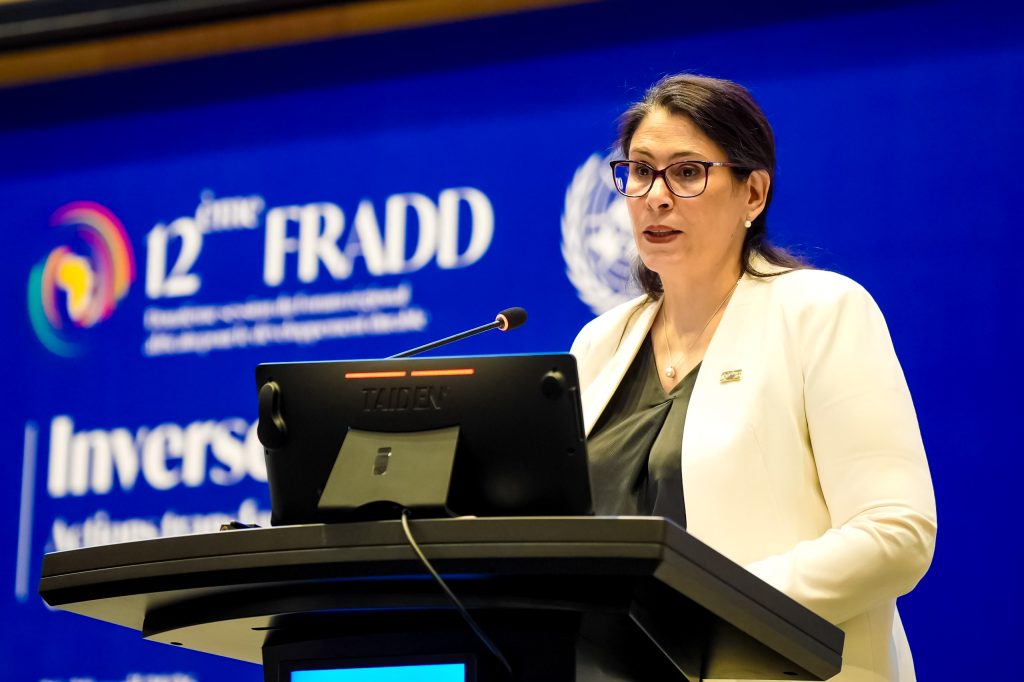
She emphasized the need to strengthen implementation frameworks, operationalize coordination mechanisms, unlock large-scale financing, drive economic transformation and job creation, and reinforce partnerships with accountability systems.
From Crisis Response to Structural Transformation
Experts highlighted that Africa must transition from reactive policymaking to proactive, transformational development strategies.
According to Stephen Karingi of the United Nations Economic Commission for Africa, the scale of the challenge remains significant, with over 650 million people lacking basic sanitation, nearly half the population without electricity, and limited industrial capacity across the continent.
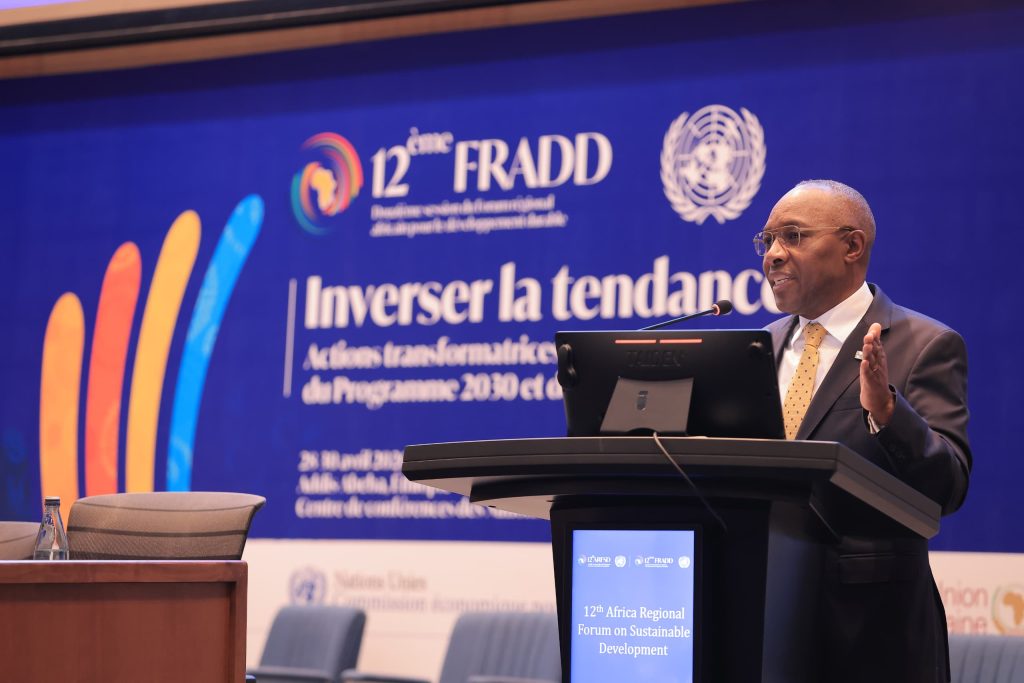
He stressed that “the response must be integrated, financed and scaled”, warning that fragmented approaches would fail to meet development targets.
Financing and Integration Key to Progress
Speakers also underscored that public funding alone cannot deliver the Sustainable Development Goals (SDGs) and Africa’s Agenda 2063, urging governments to rethink development models.
Pacôme Kossy called for a structural shift from isolated projects to investable platforms, from national-level strategies to regional value chains, and from fragmented planning to integrated systems.
Agriculture and Industrialization in Focus
A major theme of the forum was the need to reposition agriculture as a core economic driver rather than a subsistence sector.
Abebe Haile-Gabriel of the Food and Agriculture Organization warned that Africa’s current trade patterns undermine growth.
“When Africa exports raw commodities and imports processed food, it exports jobs and imports poverty,” he said, calling for investment in competitive agricultural value chains and agro-industrialization at scale.
Urbanization Seen as Opportunity, Not Burden
Urban growth was also identified as a critical lever for development, provided it is backed by strategic investments.
Anacláudia Rossbach of UN-Habitat highlighted the importance of investing in housing, underserved communities, urban finance, and modern planning systems.
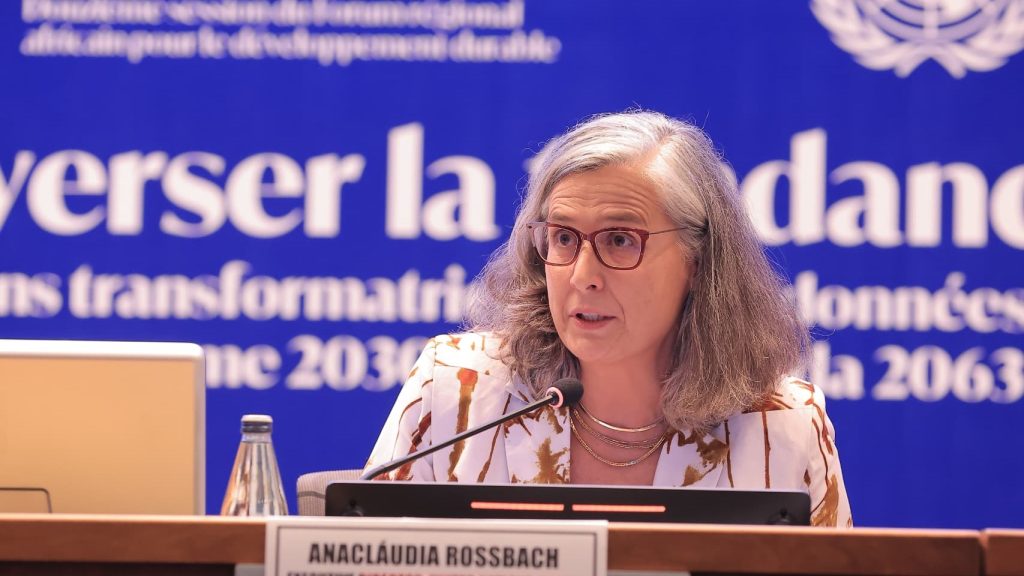
She noted that urbanization can drive economic progress if managed through coordinated and well-financed strategies.
A Call for Urgent, Coordinated Action
Across sessions, the consensus was clear: Africa has the vision and policy frameworks in place, but must now prioritize execution at scale.
With the 2030 deadline approaching, stakeholders warned that failure to act decisively could stall progress on both the Sustainable Development Goals and the African Union’s long-term development agenda.
Share this


