

The Africa Primary Health Care Forum (APHCF) 2026 has opened in Abuja with policymakers, health experts, researchers, development partners and public health stakeholders from across the continent calling for stronger investment in primary healthcare systems to address emerging health challenges and improve access to quality care.
The forum, themed “Frontiers in PHC: Technology, NCDs, Nutrition and Sustainable Financing for Resilience,” is focused on exploring practical solutions that can help African countries build health systems capable of responding to disease outbreaks, climate-related emergencies, humanitarian crises and the rising burden of noncommunicable diseases.
Participants at the gathering stressed that primary healthcare remains central to achieving Universal Health Coverage across Africa, noting that strong community-based health systems are essential for preventing diseases, detecting health threats early and ensuring that vulnerable populations are not left behind.

The discussions also highlighted the growing role of technology in transforming healthcare delivery, with stakeholders examining how digital tools, including telemedicine, artificial intelligence, electronic health records and advanced data systems, can improve access, efficiency and decision-making across health systems.
Speaking on behalf of Dr. Pavel Ursu, Dr. Mary Brantuo emphasised that primary healthcare remains “the most equitable, cost-effective and sustainable pathway to better health outcomes,” adding that technology must remain people-centred and serve as a tool for equity and inclusion.
Technology Takes Centre Stage in Healthcare Transformation
Health leaders at the forum identified digital innovation as a critical driver of the future of primary healthcare, particularly as African countries continue to face gaps in healthcare access, infrastructure and skilled personnel.
The adoption of digital health solutions has increased across several African countries, with telemedicine platforms helping patients connect with healthcare providers remotely, especially in communities where access to hospitals and specialists remains limited.
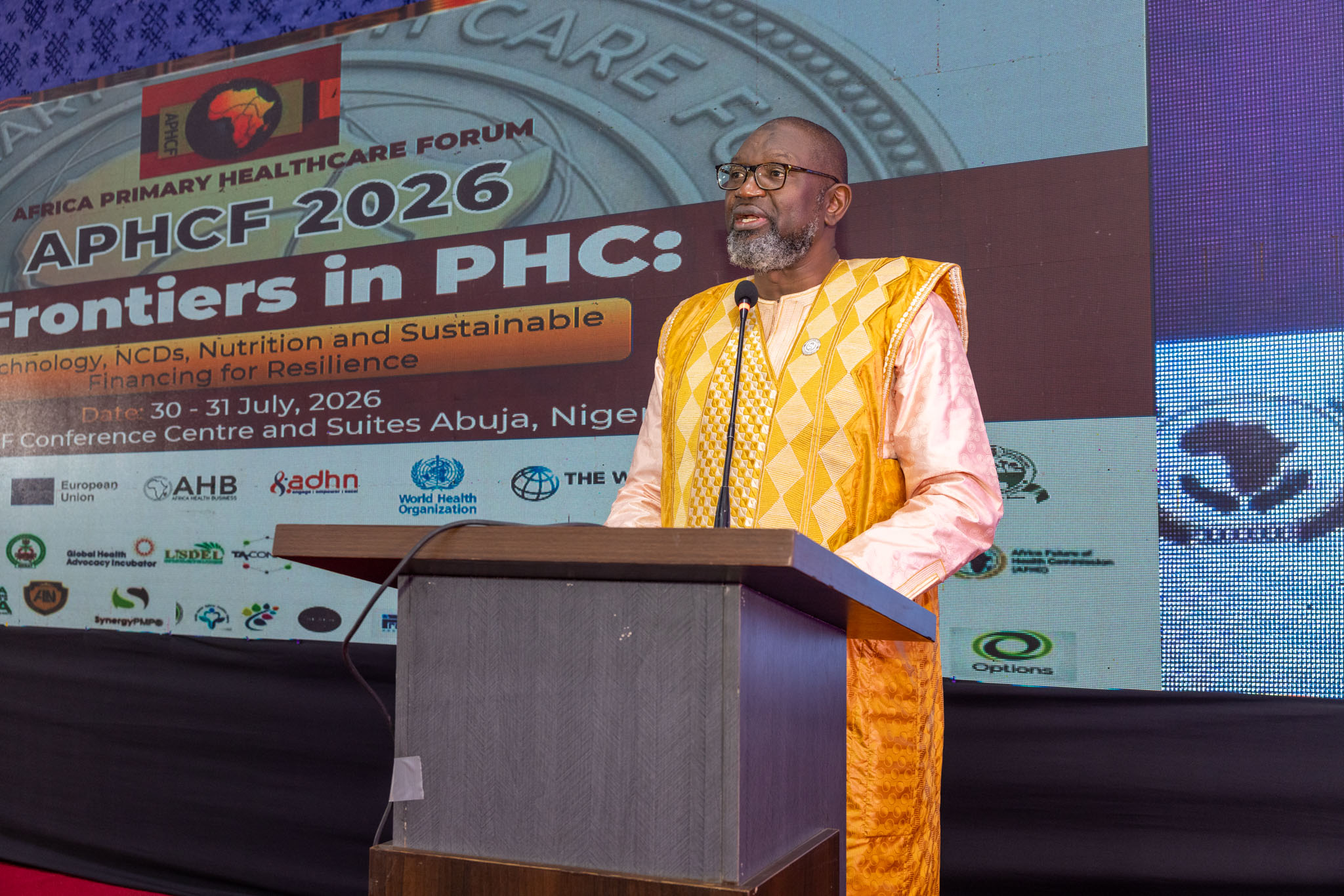
Experts at APHCF 2026 noted that emerging technologies such as artificial intelligence could support disease surveillance, improve diagnosis, strengthen health planning and help governments make better decisions using real-time data.
However, stakeholders cautioned that technology alone cannot solve Africa’s healthcare challenges without addressing issues such as poor infrastructure, limited internet access, data protection concerns and unequal digital literacy among healthcare workers and communities.
They stressed that digital transformation must be designed around the needs of patients and communities rather than focusing only on technological advancement.
Strengthening Public Health Foundations
A major focus of the forum was the importance of Essential Public Health Functions (EPHFs) in building health systems that can withstand current and future health threats.
Participants highlighted that functions such as disease surveillance, health promotion, emergency preparedness, community engagement and evidence-based decision-making remain fundamental to preventing outbreaks and protecting populations.
The discussions came against the backdrop of increasing public health pressures facing African countries, including infectious disease outbreaks, climate-related health emergencies and humanitarian challenges.

Experts argued that strengthening these foundations would allow countries to detect health threats earlier, respond faster during emergencies and maintain essential healthcare services even during periods of crisis.
Stakeholders at the forum called for greater commitment from governments and development partners to strengthen public health institutions and ensure that communities remain at the centre of healthcare planning and delivery.
Tackling the Rising Burden of Noncommunicable Diseases
The growing burden of noncommunicable diseases (NCDs) was another major issue discussed at APHCF 2026, as African countries continue to experience increasing cases of conditions such as hypertension, diabetes, cancer and other chronic illnesses.
Health experts noted that while infectious diseases remain a major concern across the continent, the rise of NCDs is placing additional pressure on already stretched health systems. They stressed the need for stronger primary healthcare structures capable of preventing, detecting and managing these conditions at the community level.
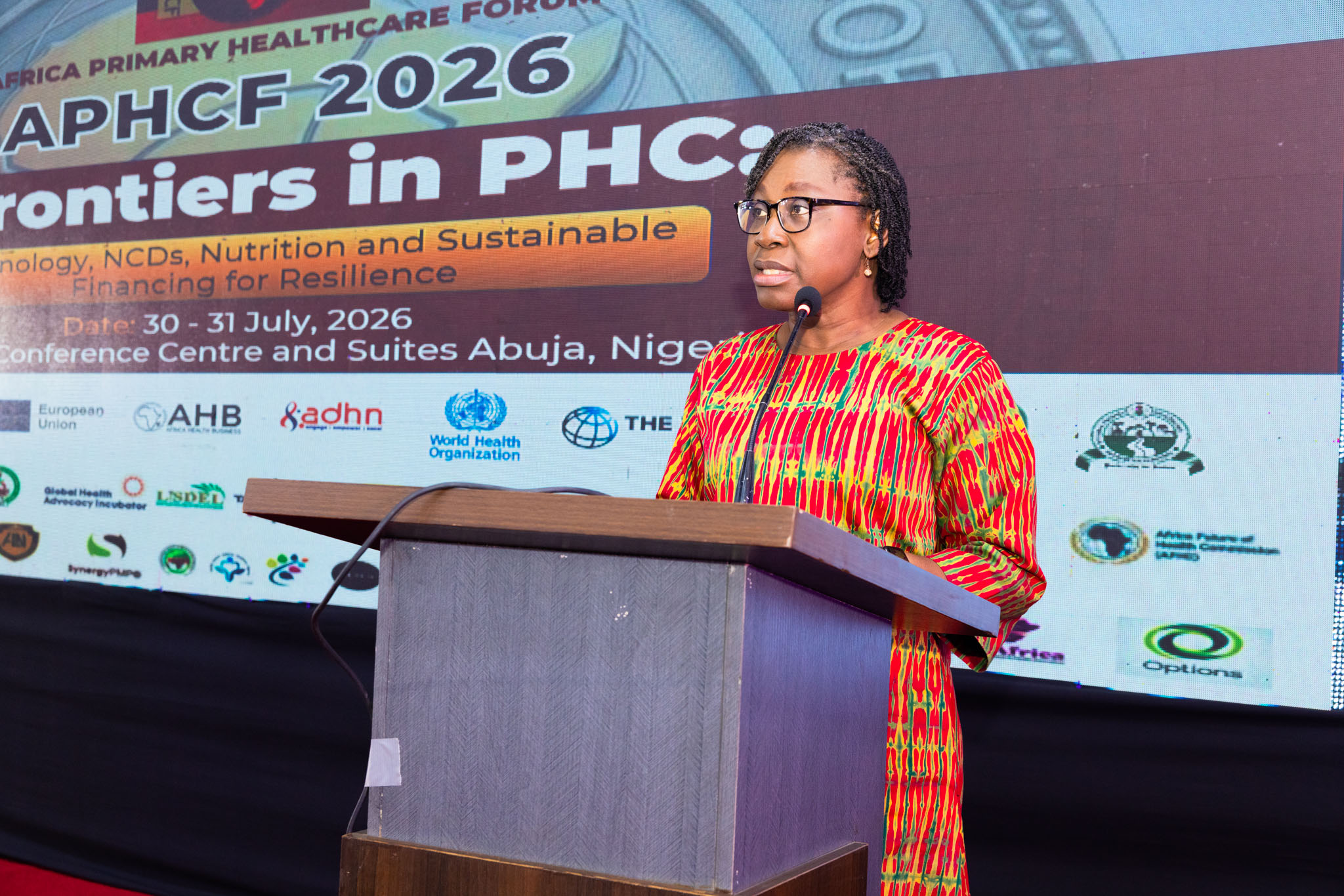
Participants argued that many NCD-related deaths can be reduced through early detection, improved public awareness and access to affordable healthcare services. They emphasised the importance of integrating NCD prevention and treatment into primary healthcare rather than relying mainly on specialised facilities.
The forum also highlighted the role of healthier lifestyles, community education and stronger health promotion programmes in reducing the impact of chronic diseases. Experts said governments must invest more in preventive healthcare approaches that address risk factors before they develop into serious health conditions.
Stakeholders further called for increased collaboration between governments, health institutions and development partners to develop sustainable strategies for managing the changing disease patterns across African countries.
Investing in Nutrition, Early Childhood Development
Beyond disease management, participants at the forum highlighted nutrition and early childhood development as critical areas for building healthier societies and improving long-term health outcomes.
Stakeholders emphasised that investing in nurturing care during the early years of a child’s life provides a foundation for physical growth, cognitive development and future wellbeing.
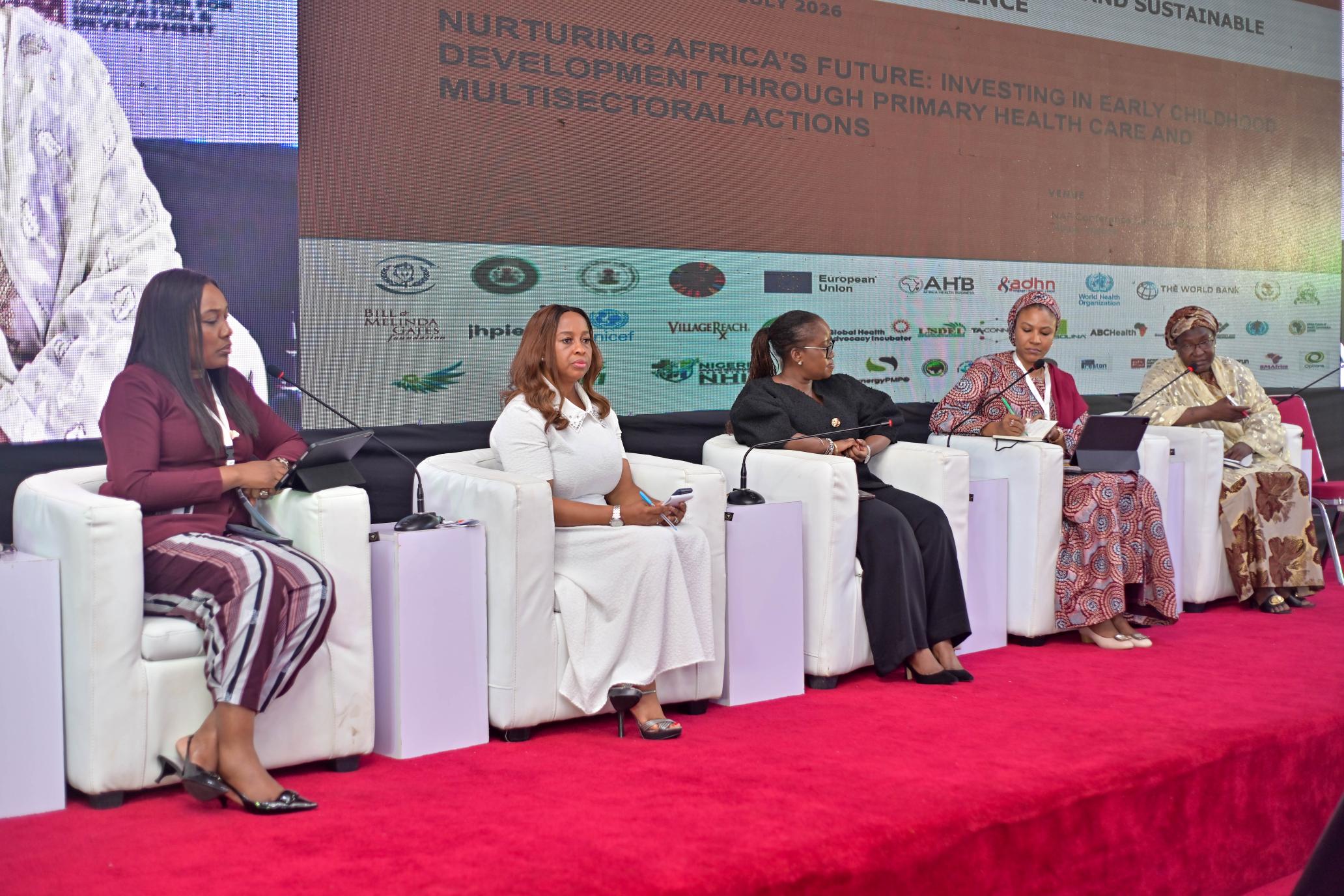
They noted that poor nutrition during childhood can have lasting consequences, affecting learning ability, productivity and overall quality of life. For this reason, experts stressed the need for stronger collaboration between health, education, social protection and other sectors.
The forum highlighted the importance of community-based interventions that support families with access to essential nutrition services, healthcare information and early childhood support programmes.
Participants maintained that improving child health requires a broader approach that goes beyond medical treatment to address social and environmental factors affecting children’s ability to survive, grow and reach their full potential.
Sustainable Financing Key to Health System Resilience
The issue of sustainable healthcare financing featured prominently as stakeholders examined ways African countries can build stronger and more reliable health systems.
Experts noted that achieving Universal Health Coverage requires consistent investment in primary healthcare, especially at a time when many countries are facing competing economic pressures and rising healthcare demands.
They stressed that dependence on external funding alone cannot provide a long-term solution, urging governments to strengthen domestic financing mechanisms and prioritise healthcare in national budgets.
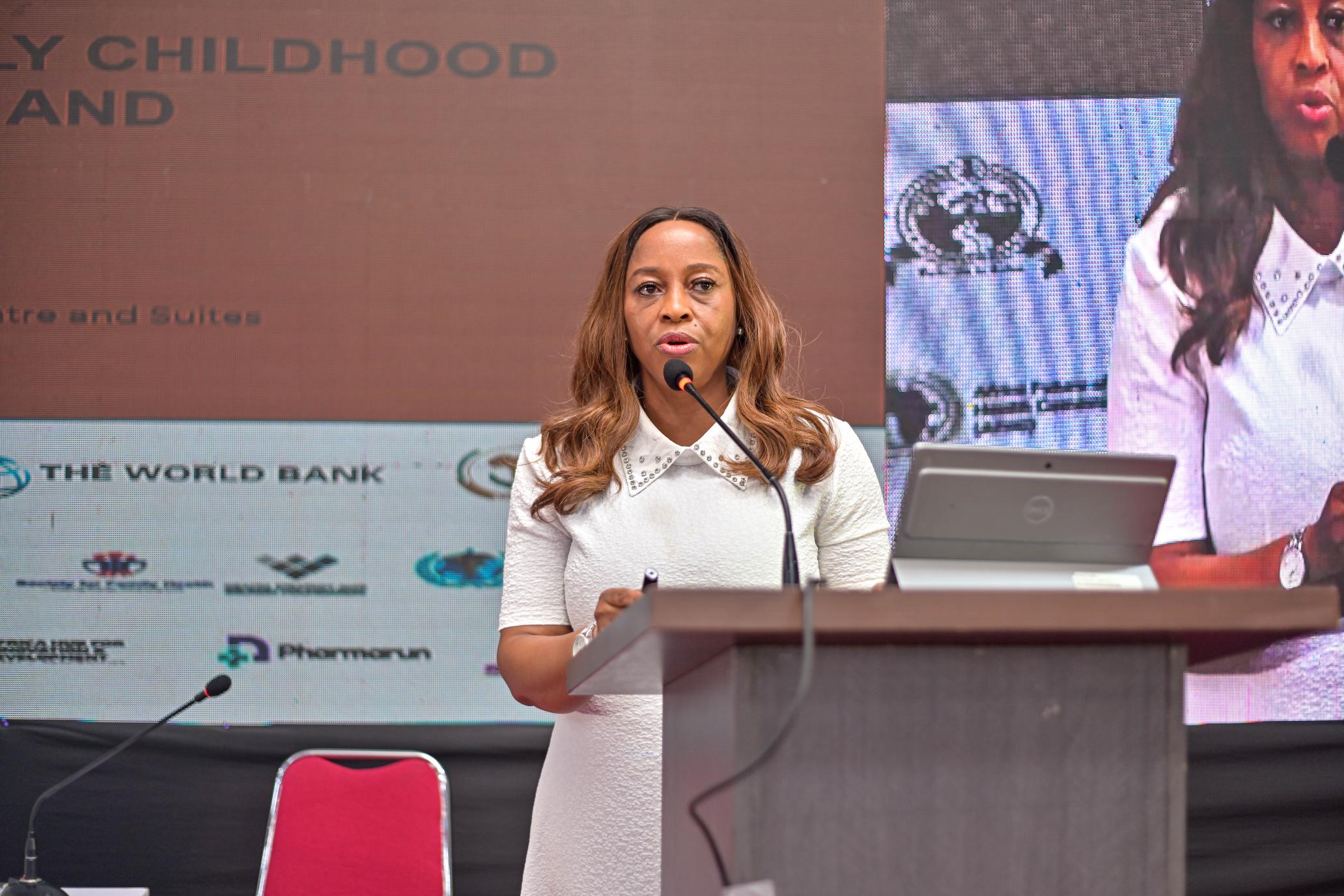
Participants also called for improved efficiency in the use of available resources, arguing that better planning, accountability and coordination can help maximise the impact of healthcare investments.
The forum emphasised that sustainable financing remains central to ensuring that health systems can provide essential services, respond to emergencies and protect vulnerable populations without creating financial hardship for citizens.
Building a Future-Ready Primary Healthcare System
As discussions continued, stakeholders at APHCF 2026 reaffirmed that strong primary healthcare systems remain the foundation for achieving healthier and more resilient communities across Africa.
They noted that resilience requires more than responding to emergencies after they occur. It requires investment in prevention, community participation, skilled health workers, reliable data systems and strong public health institutions.
Experts stressed that communities must remain at the centre of healthcare decisions, as local knowledge and participation are essential for designing interventions that respond to people’s actual needs.
The forum also reinforced the need for countries to embrace innovation while ensuring that new technologies complement existing healthcare structures rather than widen existing inequalities.
Stakeholders agreed that Africa’s health future depends on collective action, stronger partnerships and sustained commitment to building systems that can deliver quality care to all citizens.
The Africa Primary Health Care Forum 2026 ended with renewed calls for governments, development partners and health stakeholders to translate discussions into practical actions that strengthen primary healthcare delivery across the continent.
Participants reiterated that resilient health systems are built on strong public health foundations, sustainable financing and people-focused innovations that improve access and quality of care.
As Africa continues to confront complex health challenges, stakeholders said strengthening primary healthcare remains the most effective pathway towards achieving universal health coverage and protecting communities from current and future threats.
Share this


