The massive demographic potential of Africa and the urgent need for sustainable financial independence dominated the opening of the 12th African Regional Forum on Sustainable Development (ARFSD12) youth pre-event today.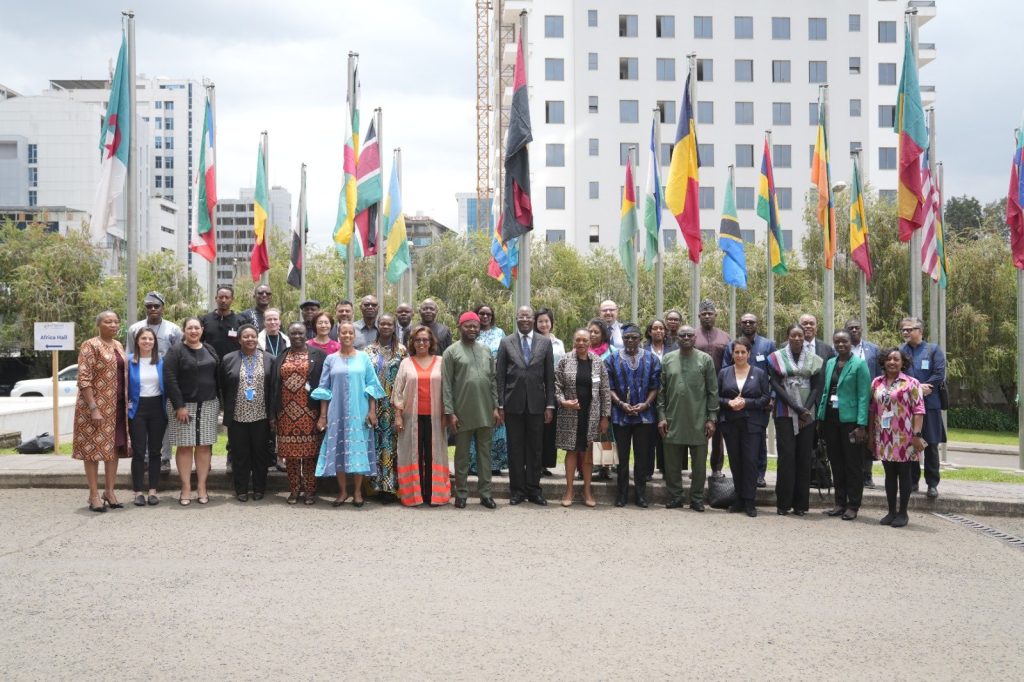
With 70% of Sub-Saharan Africa’s population under the age of 30, leaders emphasized that the continent’s youth are no longer merely the future, but the primary drivers of current economic transformation.
Youth Leadership and the Demographic Dividend
The forum kicked off with a high-energy assembly of young leaders from across the continent, aimed at bridging the gap between grassroots activism and high-level policy. Organizers stressed that the sheer volume of Africa’s youth population represents the continent’s greatest strategic asset.
“The future isn’t waiting, and neither are they,” noted representatives from UNDP Africa, highlighting how young trailblazers are actively engaging decision-makers to shape the implementation of the UN Sustainable Development Goals (SDGs) and Agenda 2063.
However, the conversation shifted from mere inclusion to the demand for real power. Raysso Ismail, speaking at the event, delivered a poignant reminder that young Africans are already leading despite systemic hurdles.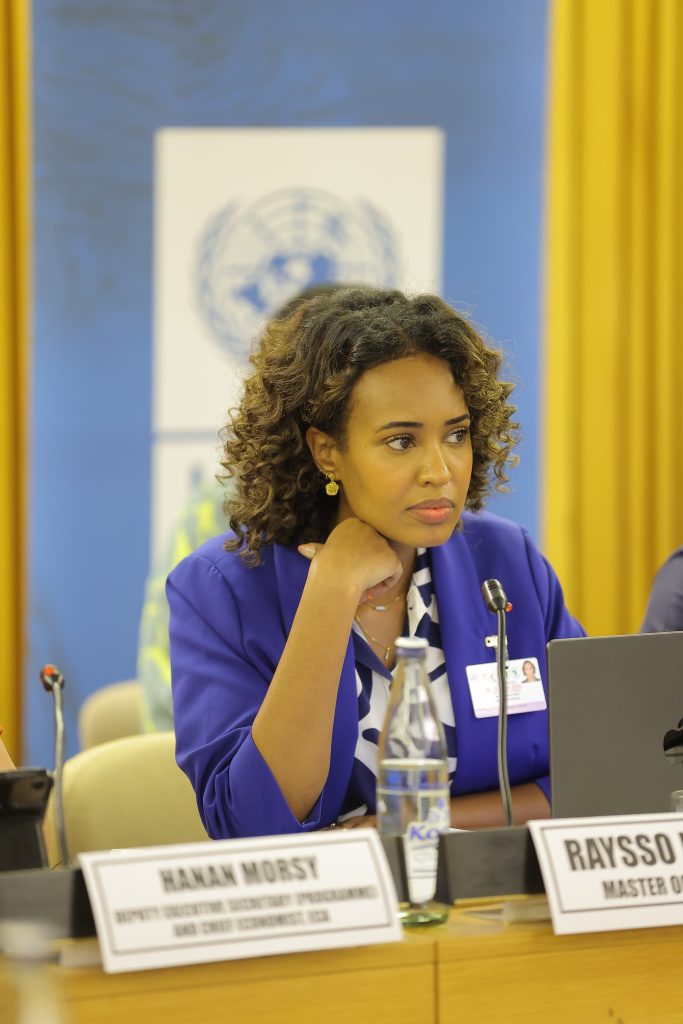
“This event is not about giving youth a voice. We already have one,” Ismail remarked. “It’s the agency we want. Young people are already creating solutions in their communities, often with little support. The work now is building the systems that match their efforts.”
Mobilizing Domestic Wealth for National Growth
A critical pillar of the discussions centered on Domestic Resource Mobilization (DRM) the process by which countries raise and spend their own funds to drive development. Experts argued that for Africa to achieve true sovereignty in its development, it must move toward financed, country-led delivery by strengthening internal financial systems.
Matthias Z. Naab, who moderated the opening panel featuring UN Resident Coordinators, emphasized that DRM is the backbone of national priorities.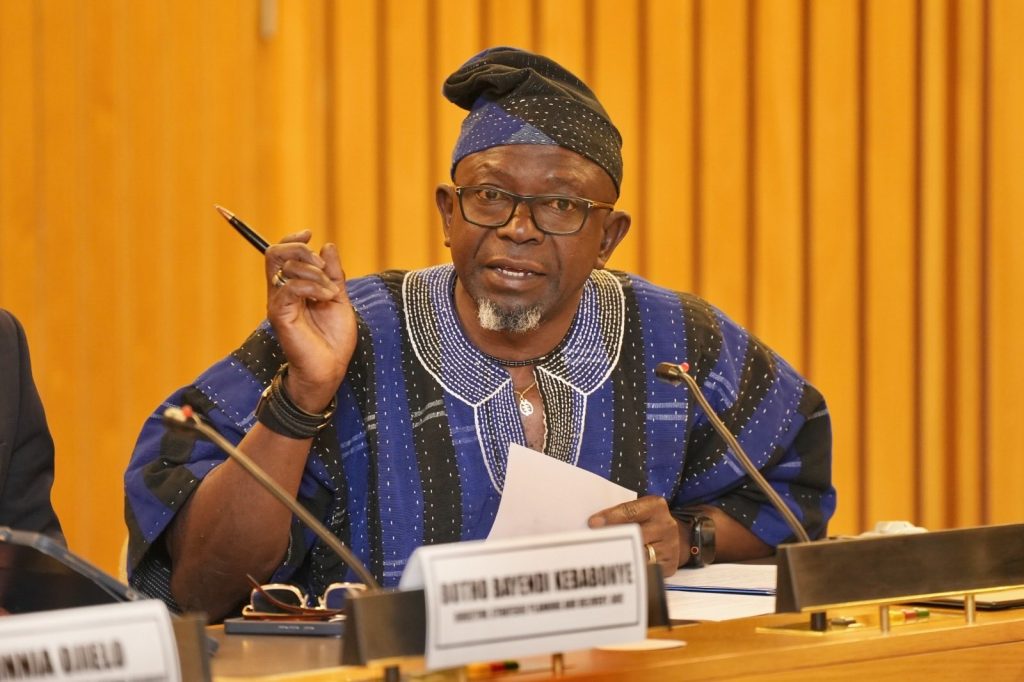
“Domestic resource mobilization is central to financing national priorities under Agenda 2063 and the SDGs,” Naab stated. “This requires sustained efforts to strengthen tax policy and administration, improve public financial management, and align financing frameworks with development plans.”
Strengthening the Social Contract
The panel explored the fiscal social contract, the idea that citizens are more likely to contribute to national revenue when they see tangible results in public services. Discussions focused on grounding economic reforms in hard evidence and ensuring that different government institutions work in lockstep rather than in silos.
The United Nations was identified as a vital neutral mediator in this process. By acting as a bridge between policy and capital, the UN aims to help African nations align their institutional frameworks to attract better investment.
Key Takeaways for Implementation
As the pre-event concluded, the panel outlined four essential factors for successful economic reform across the continent:
-
Convening Power: Leveraging the influence of Resident Coordinators to bring the right stakeholders to the table.
-
Sequencing and Coordination: Ensuring that reforms are rolled out in a logical order to prevent economic bottlenecks.
-
Political Economy: Understanding the local political landscape to ensure reforms are sustainable.
-
Evidence-Based Reform: Moving away from guesswork and ensuring that data drives every financial policy decision.
The consensus remains clear: Africa has the human capital in its youth and the resource potential in its domestic markets; the goal now is to align financing with national reality.
Share this