

Global health leaders and policymakers recently convened to bridge the gap between high-level political promises and the practicalities of regionalized vaccine manufacturing in Africa.
During a session hosted by the Aga Khan University (AKU) and the Regionalized Vaccine Manufacturing Collaborative (RVMC), the discourse session was on “From Political Commitment to Predictable Markets: Operationalising Regionalised Vaccine Manufacturing in Africa”.
A central theme of the discussion was the refusal to compromise on excellence. Panelists emphasized that advancing local production means simultaneously elevating regulatory bodies and manufacturers to ensure every dose meets rigorous international standards. This ecosystem-wide approach is viewed as the only path to achieving long-term credibility in the global market.
The Financing and Risk Hurdle
While political will remains steadfast, the transition to operationalizing factories faces significant financial headwinds. Experts noted that because the vast majority of vaccines consumed on the continent are currently imported, de-risking local investments is the primary challenge.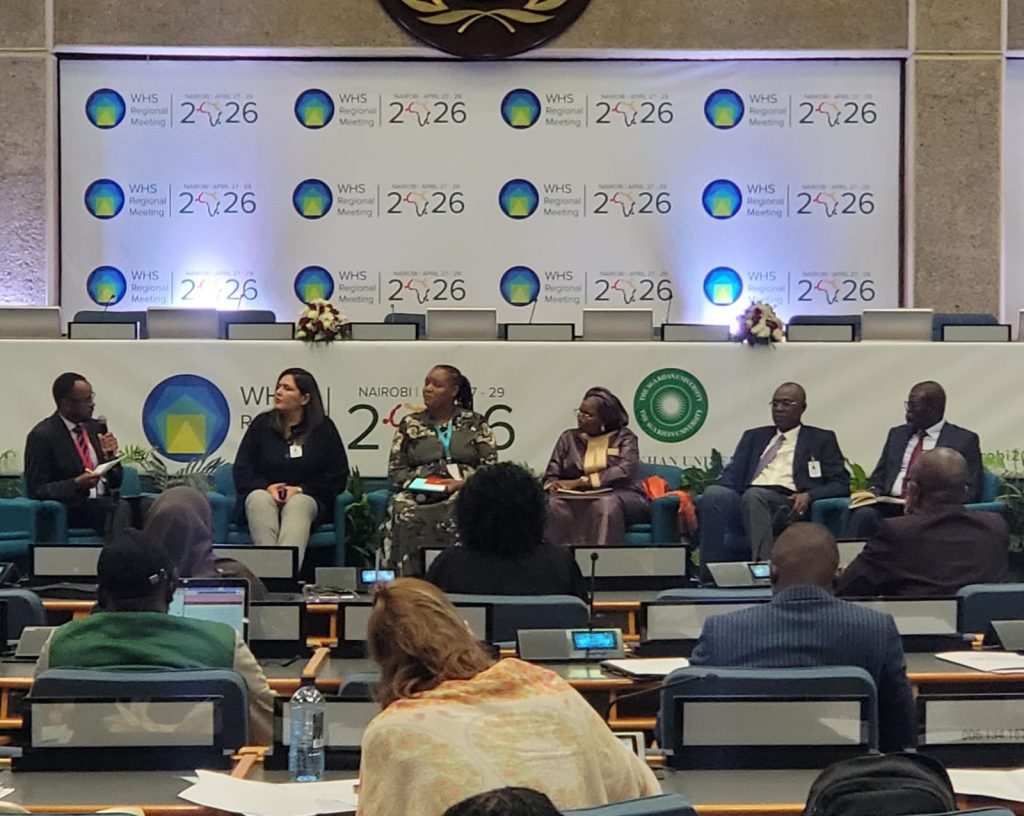
“We cannot talk about health security without supply security,” stated Dr. Tala Jallow, Director of APPM at the Africa CDC, highlighting that self-reliance is a fundamental pillar of continental safety.
Strategic Market Shaping
Closing the session, Dr. Frederik Kristensen, Managing Director of the Regionalized Vaccine Manufacturing Collaborative, outlined a roadmap for viability.
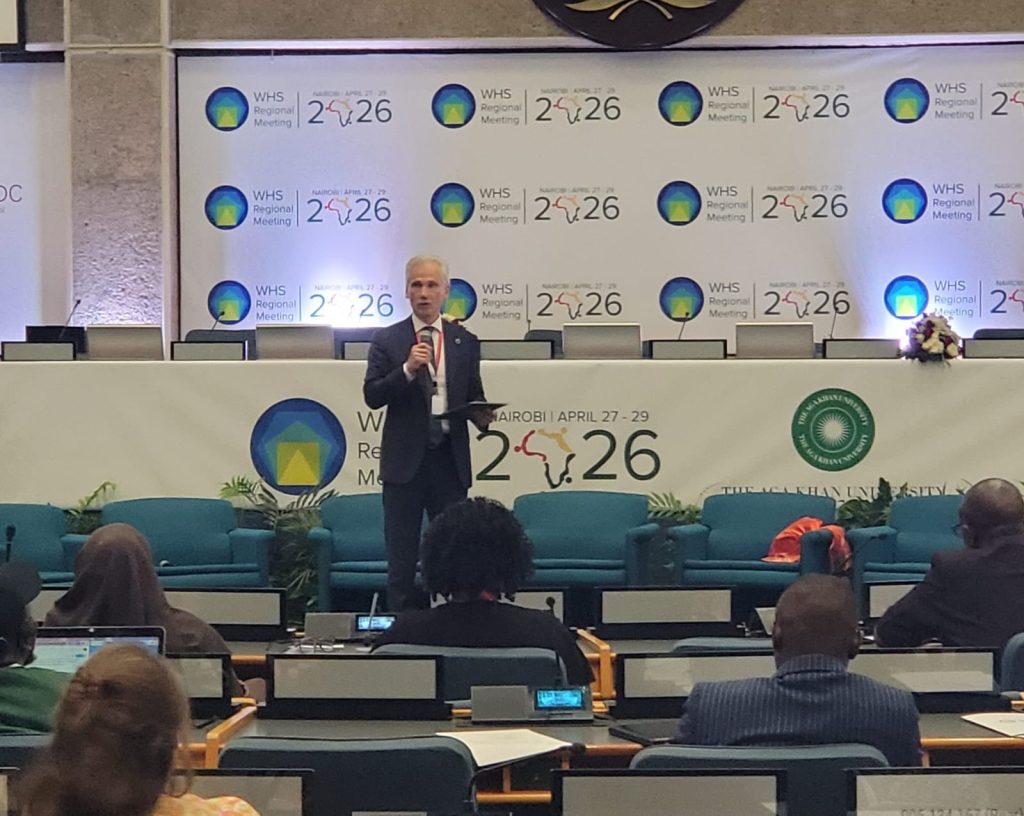
He argued that attracting private capital requires a foundation of risk guarantees, enabling policies, and firm procurement agreements.
To compete with global giants, Africa must leverage market-shaping efforts, such as strategic demand management. Dr. Kristensen stressed that a Buy African approach is essential to create the predictable demand necessary for competitive pricing.
Overcoming Structural Barriers
Despite the momentum, several hard questions remain regarding production volumes and R&D investment. The panel identified three critical areas for immediate focus sustaining R&D by moving beyond fill-and-finish to indigenous innovation, Member State Commitment for securing concrete purchasing pledges from African nations, and Supply Chain Integrity by ensuring consistent access to raw materials and logistics.
With support from global partners like Gavi and UNICEF, the continent is working to integrate global learnings into a localized framework, ensuring that the next pandemic finds Africa with a ready and resilient manufacturing engine.
Share this