

By Michael Omotosho |
On the sidelines of the Africa Forward Summit 2026, African leaders and global health partners converged to solidify the continent’s path toward pharmaceutical independence. The high-level AIM2030 breakfast meeting served as a critical platform for advancing local pharmaceutical manufacturing and ensuring sustainable access to life-saving medical products across the continent.
From Commitment to Delivery
The engagement featured a powerful call to action from President William Ruto, the African Union (AU) Champion for Local Manufacturing of Medical Products.
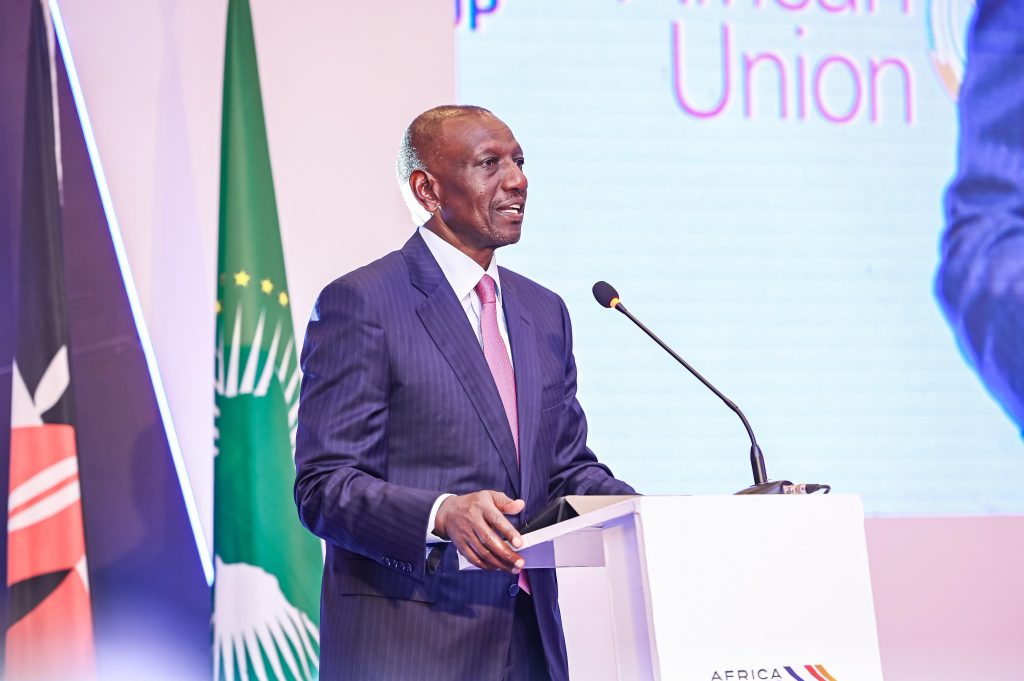
Addressing a room of senior government officials, industry representatives, and development finance institutions, President Ruto emphasized that the era of theoretical planning must give way to concrete delivery and investment.
The discussions focused on the coordinated implementation of Africa’s health sovereignty agenda, aiming to reduce the continent’s reliance on external supply chains that were historically strained during global health crises.
The Power of Predictable Demand
A central pillar of this strategy is the African Pooled Procurement Mechanism (APPM). During a high-level panel, Dr. Jean Kaseya, Director General of the Africa CDC, detailed how the mechanism is transforming the marketplace for African drug manufacturers.

“The African Pooled Procurement Mechanism is critical in creating predictable demand, strengthening market access, and reducing costs,” stated Dr. Kaseya. “By improving supply security and supporting African manufacturers through sustainable procurement systems, we are building the foundation for true health sovereignty.”
A Milestone for African Manufacturing
In a significant update for the region’s pharmaceutical sector, the Africa CDC announced the successful completion of its first APPM tender. This inaugural tender focused on essential Reproductive, Maternal, Neonatal, and Child Health (RMNCH) medicines across 10 AU Member States.
The results of the tender mark a turning point for continental health economics, reportedly achieving substantial cost savings for participating nations. Furthermore, the process saw expanded participation from African manufacturers, proving that local industry is increasingly capable of meeting international quality and volume standards when provided with a transparent and aggregated market.
Share this