
In a swift and coordinated response to a severe cholera outbreak that has infected over 16,000 people and claimed 124 lives, a high-level delegation from the World Health Organization (WHO) Nigeria and UNICEF Nigeria has concluded a critical joint mission to Borno State.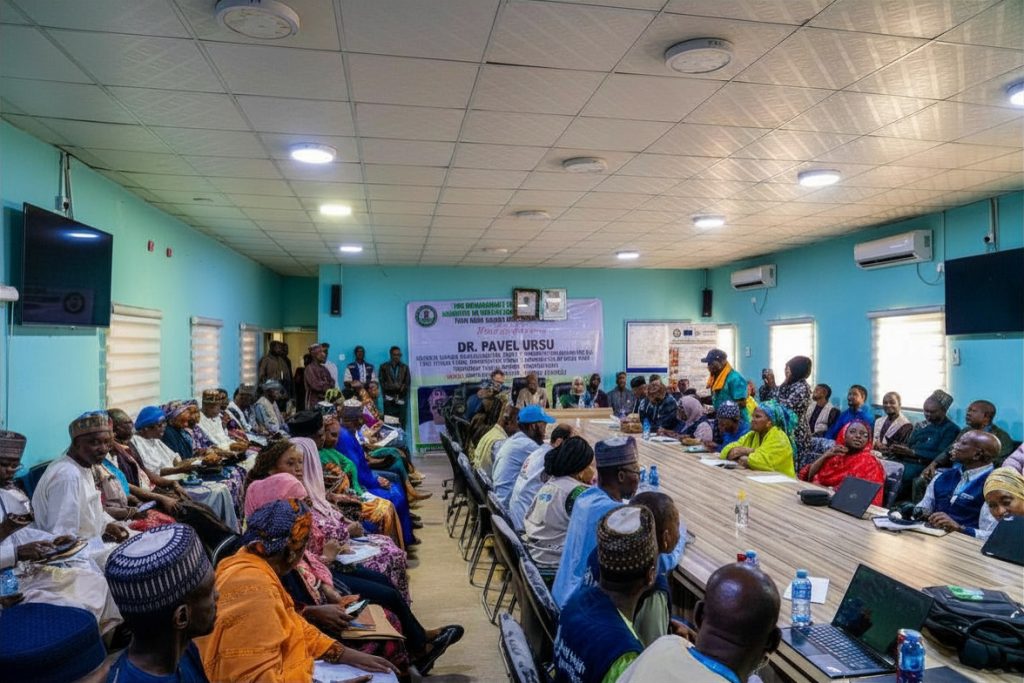
Led by WHO Representative Dr. Pavel Ursu and UNICEF Representative Wafaa Saeed, the delegation partnered with the Borno State Government, represented by the Honourable Commissioner for Health, Prof. Baba Mallam Gana, to assess ongoing emergency operations, streamline coordination, and accelerate lifesaving interventions aimed at halting transmission and preventing further fatalities.
During the extensive field mission, the joint delegation conducted on-site assessments of emergency response frameworks, visited heavily burdened Cholera Treatment Centres (CTCs), and engaged directly with front-line healthcare workers. The strategic visit underscored a unified commitment to reinforcing public health infrastructure, protecting highly vulnerable communities, and optimizing resources to ensure timely, life-saving clinical interventions reach those most in need.
Scaling Up Clinical Infrastructure and Front-line Capacity
To effectively manage the surge in caseloads, WHO and UNICEF are actively collaborating with the Borno State Ministry of Health to scale up treatment capacities. The partners have successfully operationalized three dedicated Cholera Treatment Centres, equipping them with the necessary structural framework and essential medical logistics. Additionally, the intensive mission focused heavily on capacity building, successfully mentoring 53 front-line health workers on advanced cholera case management and emergency response protocols across CTCs, Oral Rehydration Points (ORPs), and within the hard-to-reach Local Government Area (LGA) of Monguno.
Through the donation of 30 specialized cholera kits, 100 cholera beds, essential medicines, Ringer’s lactate, and Oral Rehydration Solutions (ORS), the joint international bodies have directly supported the medical care of over 5,700 patients. Strict Infection Prevention and Control (IPC) alongside Water, Sanitation, and Hygiene (WASH) supplies have also been deployed across the state to guarantee safe, sanitary conditions within treatment environments.
Strengthening Surveillance and Community Resilience
Recognizing the critical role of data in outbreak containment, the collaborative response has significantly fortified public health surveillance. The partners have strengthened data management across more than 50 surveillance sites, spanning CTCs, ORPs, and remote communities. This enhanced tracking system ensures real-time monitoring of data, allowing medical teams to pinpoint transmission hotspots and deploy targeted resources efficiently.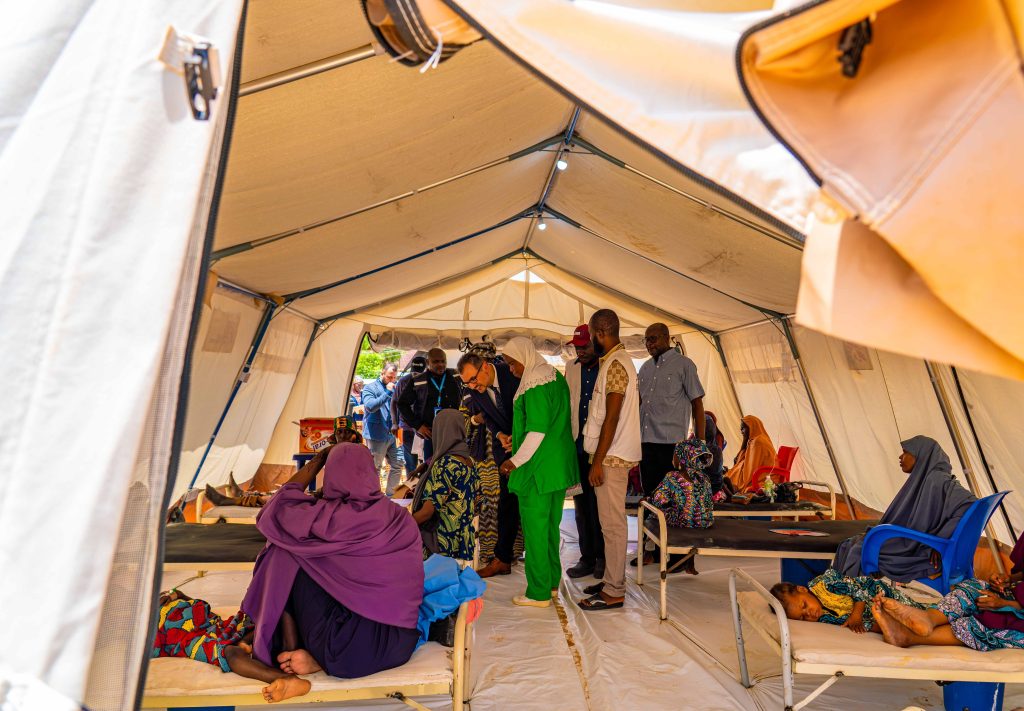
Simultaneously, grassroots sensitization campaigns have been intensified to break the chain of transmission. Through targeted risk communication and community engagement initiatives, the intervention has reached over 15,500 people with critical information regarding cholera prevention methods, hygiene practices, and the vital importance of early care-seeking behavior.
A Unified Commitment to Eradicate Cholera
The combined synergy of strong government leadership and robust partner support is yielding tangible results on the ground, significantly reducing transmission risks and enhancing preparedness for potential future public health emergencies.
The high-level mission with WHO and UNICEF marks a pivotal moment in our strategy to suppress this outbreak. Through strong government leadership and coordinated partner support, lifesaving interventions are successfully reaching affected communities, helping to drastically reduce transmission, improve access to timely treatment, and strengthen our long-term preparedness for future outbreaks.
Share this


