

Nigeria is intensifying its national health response to combat the triple threat of HIV, Viral Hepatitis, and Sexually Transmitted Infections (STIs) through a bolstered strategic partnership with the World Health Organization (WHO).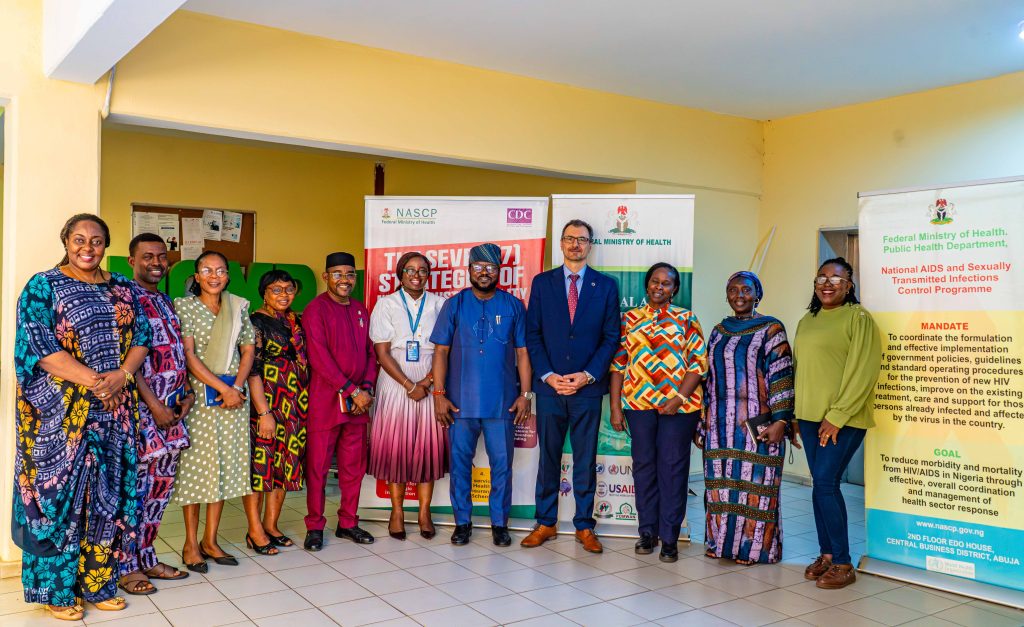
Following a high-level meeting led by WHO Representative Dr. Pavel Ursu, the National AIDS, Viral Hepatitis and STIs Control Programme (NASCP) has outlined a roadmap to accelerate the country toward its goal of disease elimination. The collaboration aims to bridge gaps in diagnosis, prevention, and integrated care across all 36 states.
Strategic Interventions and Technical Support
The renewed strategy focuses on domesticating international best practices to fit the Nigerian healthcare landscape. Central to this effort is the adaptation of global guidance into actionable national plans, ensuring that rural and urban communities alike receive standardized, high-quality care.
A major technical shift includes the nationwide adoption of WHO’s three-consecutive-test strategy for HIV diagnosis confirmation. This protocol is designed to maximize the accuracy of results, reducing the margin of error and ensuring that patients are linked to life-saving treatment with absolute certainty.
“Our collaboration reflects Nigeria’s strong leadership and a long-standing partnership focused on saving lives. By expanding access to care and ensuring no community is left behind, we are advancing the country’s health goals with the continued support of our donors and partners,” stated Dr. Pavel Ursu, the WHO Representative to Nigeria.
Expanding Prevention and Integrated Care
Beyond diagnosis, the partnership is prioritizing the rollout of Pre-Exposure Prophylaxis (PrEP). As a cornerstone of the HIV prevention toolkit, the wider availability of PrEP is expected to significantly lower new infection rates among high-risk populations.
Furthermore, Nigeria is moving toward a model of integrated service delivery. Rather than treating HIV in isolation, healthcare providers are being equipped to address sexual and reproductive health alongside other communicable diseases. This holistic approach is intended to streamline patient journeys and maximize the impact of existing health infrastructure.
With the continued backing of international partners, this intensified response marks a critical milestone in Nigeria’s journey to secure a healthier future for its citizens and meet global 2030 health targets.
Share this


