

In a major bid to fortify healthcare infrastructure and safeguard millions of lives, the World Health Organization Regional Office for Africa (WHO AFRO) and the West African Health Organization (WAHO) have officially signed a landmark partnership agreement.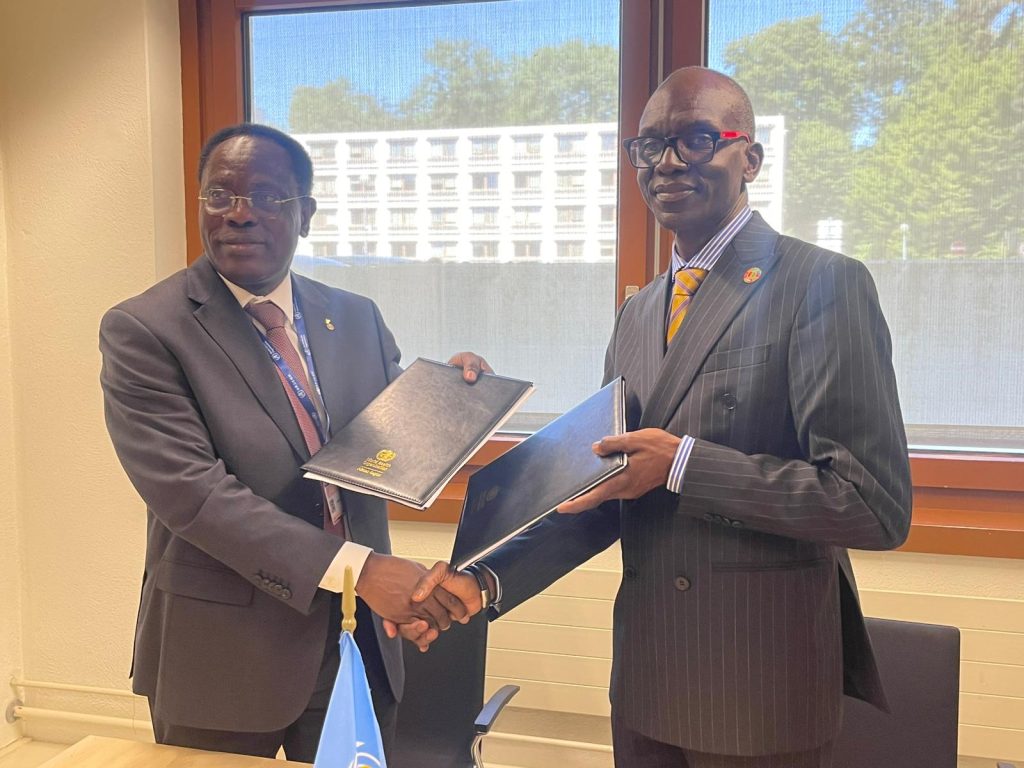
The strategic pact, finalized on the margins of the 79th World Health Assembly (WHA79), establishes a comprehensive framework to deepen collaboration, accelerate emergency response times, and build resilient health systems across West Africa.
A United Front for Regional Health Security
The newly minted agreement bridges regional and global health expertise to address long-standing vulnerabilities in West Africa’s healthcare architecture. Under the terms of the agreement, both organizations will heavily prioritize emergency preparedness and response, ensuring the sub-region can rapidly detect and contain future disease outbreaks before they escalate into global crises.
Beyond crisis management, the partnership targets the roots of healthcare inequity by driving initiatives for maternal and child health, expanding digital health innovations, and radically improving community-level access to primary healthcare services.
Driving Local Manufacturing and Workforce Development
A critical pillar of the accord is a shared commitment to boosting local manufacturing of medical supplies and pharmaceuticals. By reducing West Africa’s heavy reliance on foreign medical imports, the initiative aims to secure a more stable, self-reliant supply chain for essential medicines and vaccines.
Simultaneously, the agreement outlines extensive plans for health workforce development, focusing on training, retaining, and equipping the next generation of West African medical professionals and frontline responders.
Leadership Commits to ‘Health for All’
The collaborative effort signals a unified, aggressive push toward achieving universal health coverage across the African continent. Leaders from both organizations expressed high optimism about the tangible impacts this alliance will bring to the sub-region’s 400-plus million residents.
“This marks an important step in deepening collaboration on health security, local manufacturing, workforce development, maternal and child health, digital innovation, and primary health care to improve access to quality health services across the sub-region,” said Prof. Mohamed Janabi, Regional Director for WHO AFRO.
With the agreement now active, joint technical teams from WHO AFRO and WAHO are expected to begin rolling out localized implementation strategies immediately, turning policy into practice under the global banner of #HealthForAll.
Share this


