
In a landmark achievement for continental health, a detailed analysis by the World Health Organization (WHO) and Gavi, the Vaccine Alliance, reveals that nearly 20 million measles-related deaths have been averted in Africa since the turn of the millennium.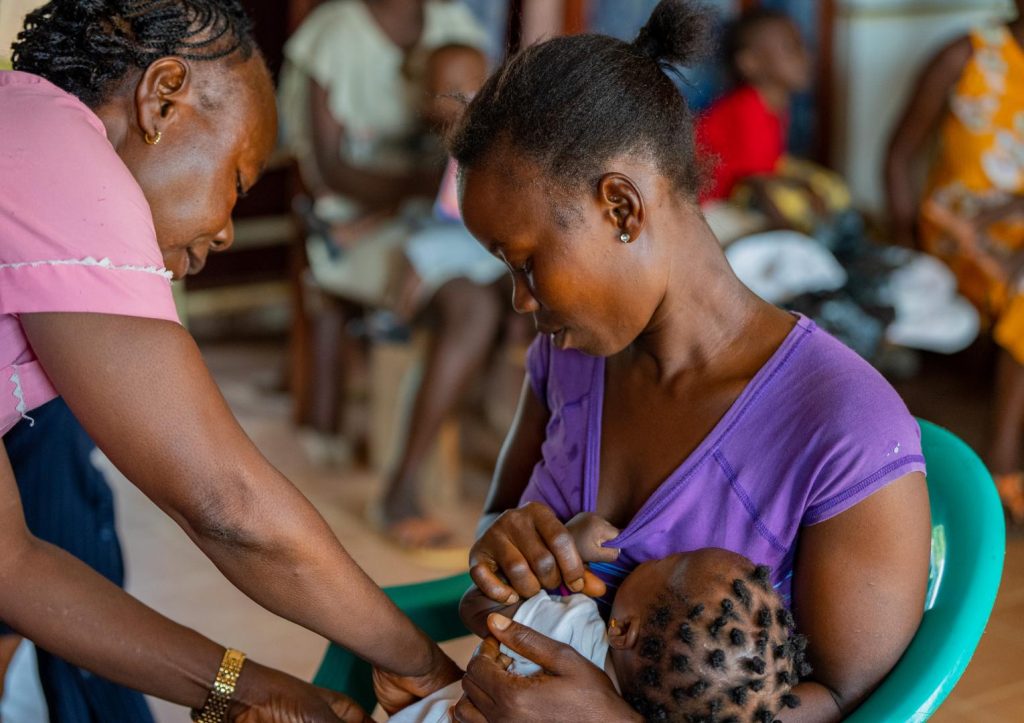
The report highlights a generational shift in public health, noting that over 500 million children have been protected through routine immunization between 2000 and 2024.
The surge in survival rates is attributed to a massive expansion in vaccination reach. Since 2000, 44 African countries have integrated a second dose of the measles vaccine into their routine schedules. This policy shift, bolstered by supplemental campaigns that delivered 622 million vaccinations, has seen coverage leap from a mere 5% in 2000 to 55% in 2024.
Halving Mortality in One Generation
The impact of consistent investment is most visible in the drastic reduction of fatalities. These collective efforts have halved measles deaths across the African region and triggered a 40% drop in overall cases. While many nations are still climbing toward global targets, others have reached the “gold standard” of protection.
In a historic first for sub-Saharan Africa, Cabo Verde, Mauritius, and Seychelles achieved full measles and rubella elimination status in 2025. These nations lead a group of nine countries that reported consistently low incidence rates fewer than five cases per million throughout 2023 and 2024.
A Broad Front Against Disease
The progress extends far beyond measles. Routine immunization schedules now shield children against 13 vaccine-preventable diseases, up from just eight in 2000. The report notes that meningitis deaths have plummeted by 39%, and the malaria vaccine has successfully been introduced in 25 countries.
Dr. Mohamed Janabi, WHO Regional Director for Africa, emphasized the scale of this transformation:
“Africa has made remarkable progress in less than a generation, expanding immunization and saving millions of young lives. But the progress is uneven, and even slowing, leaving too many children unprotected as key targets are still missed. We must urgently strengthen routine immunization to leave no child behind.”
Currently, 47 sub-Saharan African countries include hepatitis B in routine care, while 29 countries offer the human papillomavirus (HPV) vaccine to combat cervical cancer.
Navigating the Last Mile
Despite these victories, the path to the 2030 Immunization Agenda which targets 90% coverage for key vaccines remains steep. Experts warn that Africa is currently off track for these goals due to rapid population growth, weak health systems, and political instability. Climate change and humanitarian crises also present significant hurdles to reaching children in remote or fragile contexts.
Dr. Sania Nishtar, CEO of Gavi, the Vaccine Alliance, pointed out that the success of the past 24 years must now evolve into sustainable, long-term programs:
“This analysis… demonstrates the immense life-saving power of vaccines when immunisation is prioritised as a matter of policy. At the same time, we must acknowledge that these immunisation outcomes reflect very different realities, and we have more work to do to ensure we are consistently able to reach children, even in the most fragile and remote contexts.”
To bridge these gaps, WHO and Gavi are spearheading the Gavi Leap reform agenda, focusing on building resilient immunization systems at the sub-national level to ensure that the next generation of African children is not left vulnerable to preventable tragedy.
Share this


