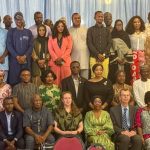
UN Women has premiered a new Nollywood film titled Ibukun and the People in Abuja, designed to promote women’s political participation and mobilise support for inclusive governance ahead of Nigeria’s 2027 elections.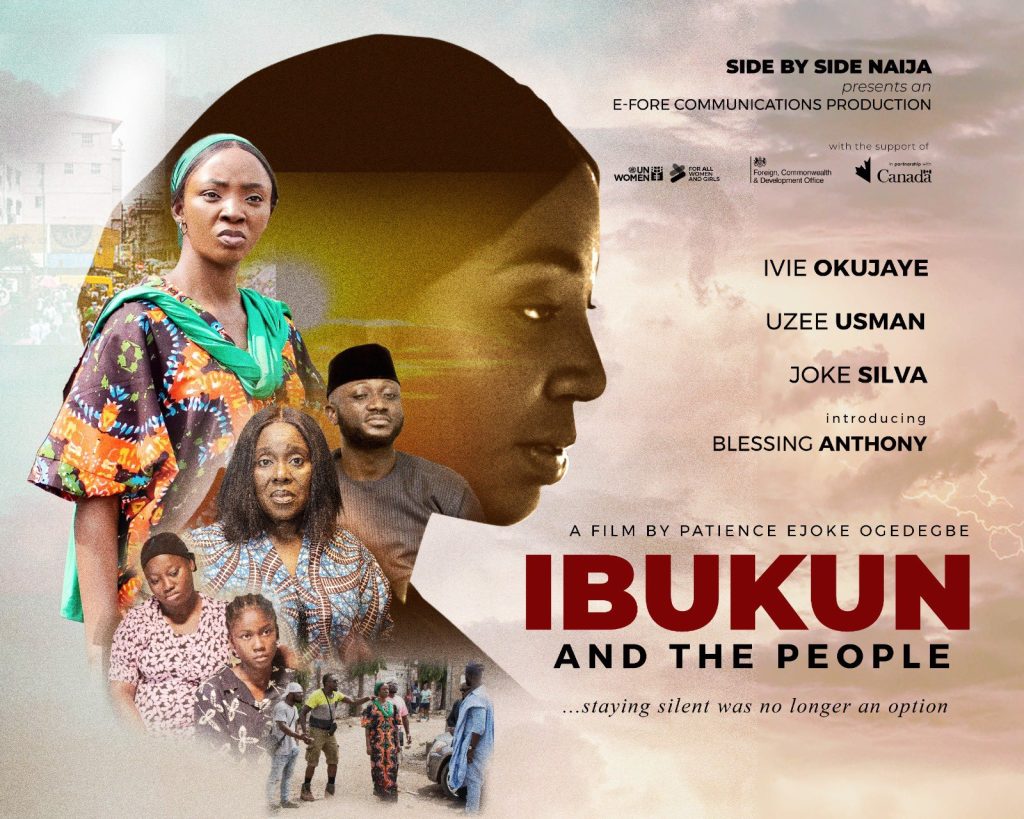
The premiere, held at the United Nations House in Abuja, marks a key milestone in the SideBySideNaija campaign—UN Women’s multimedia advocacy initiative aimed at increasing women’s representation in leadership and strengthening support for the Special Seats for Women Bill.
Produced by UN Women with support from the Governments of the United Kingdom and Canada, the film uses storytelling to highlight the barriers women face in politics and the urgent need for greater inclusion in decision-making spaces across Nigeria.
The film features notable Nollywood actors including Joke Silva, Ivie Okujaye, and Uzee Usman, who portray the struggles, resilience, and leadership potential of Nigerian women navigating political and social systems that often limit their participation.
SideBySideNaija Campaign Pushes Gender Inclusion Advocacy
The SideBySideNaija campaign forms the backbone of UN Women’s advocacy strategy to improve gender representation in governance structures across Nigeria. The initiative uses a mix of storytelling, media engagement, and public sensitisation to challenge long-standing cultural and structural barriers affecting women’s political participation.
Through television, radio, digital platforms, and community outreach programmes, the campaign seeks to reshape public perception around women in leadership. It also aims to promote conversations that encourage citizens to support inclusive political reforms.
A major focus of the campaign is the proposed Special Seats for Women Bill, which seeks to increase women’s representation in legislative and decision-making positions ahead of the 2027 general elections. The bill has been widely discussed as a potential intervention to address Nigeria’s persistent gender gap in politics.
UN Women says the campaign is not limited to awareness creation but is designed to drive long-term behavioural and institutional change. It aims to ensure that gender inclusion becomes a normal expectation in governance rather than an exception.
Officials involved in the campaign say engagement with policymakers, traditional leaders, youth groups, and civil society organisations remains central to its success. They argue that broad-based participation is necessary to dismantle entrenched barriers to women’s leadership.
The organisation also emphasises that sustainable change will require both policy reform and societal acceptance, noting that political inclusion must reflect everyday realities of Nigerian women.
Nollywood Stars Bring Women’s Leadership Struggles to Screen
The film Ibukun and the People uses storytelling as a tool to reflect the lived experiences of Nigerian women navigating political and social systems that often exclude them. It presents a narrative that blends personal struggles with broader societal issues affecting women’s participation in governance.
Featuring acclaimed Nollywood actors including Joke Silva, Ivie Okujaye, and Uzee Usman, the film delivers emotionally charged performances that highlight resilience, ambition, and resistance in the face of systemic barriers.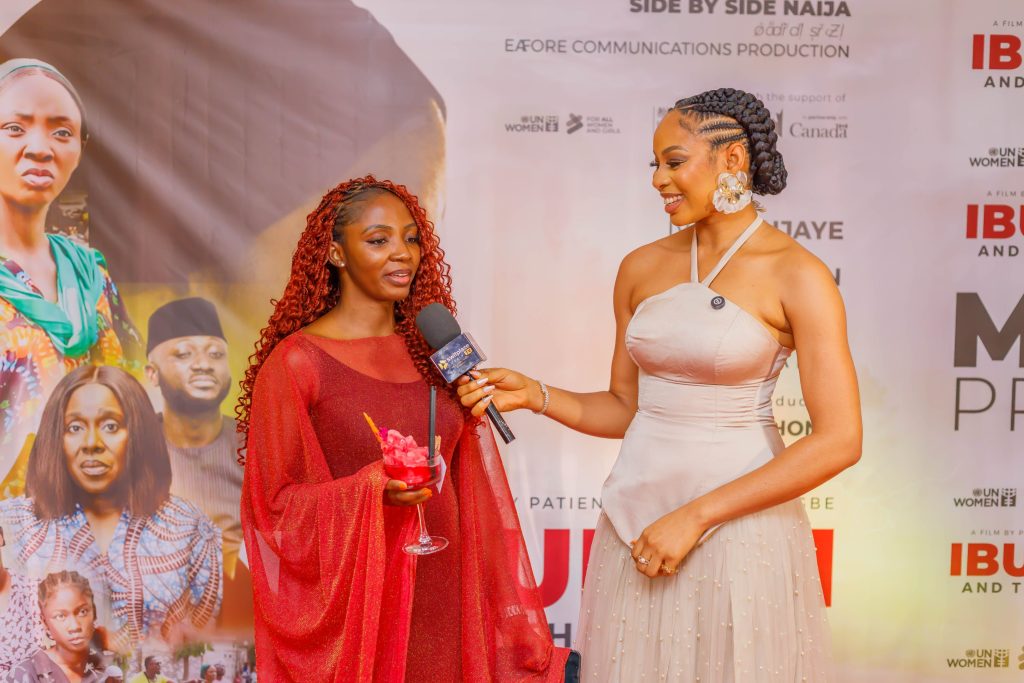
The storyline explores themes such as political exclusion, limited access to leadership opportunities, gender bias, and societal expectations that often restrict women’s roles in public life. It also examines how these challenges affect community development and national progress.
Producers of the film say the project is intended to go beyond entertainment and serve as a catalyst for reflection and dialogue. They believe storytelling can help bridge the gap between policy discussions and public understanding.
By combining drama with advocacy messaging, the film seeks to reach audiences who may not typically engage with policy debates on gender inclusion. It aims to make the issue more relatable and emotionally compelling.
Cast members also noted that participating in the project was an opportunity to contribute to social change, adding that Nollywood has a powerful role to play in shaping national conversations.
International Partners Call for Urgent Political Reforms
Speaking at the premiere, UN Women Representative to Nigeria and ECOWAS, Beatrice Eyong, described the film as a reflection of the lived realities of many women across the country. She said it highlights the daily struggles faced by women who continue to be excluded from decision-making spaces.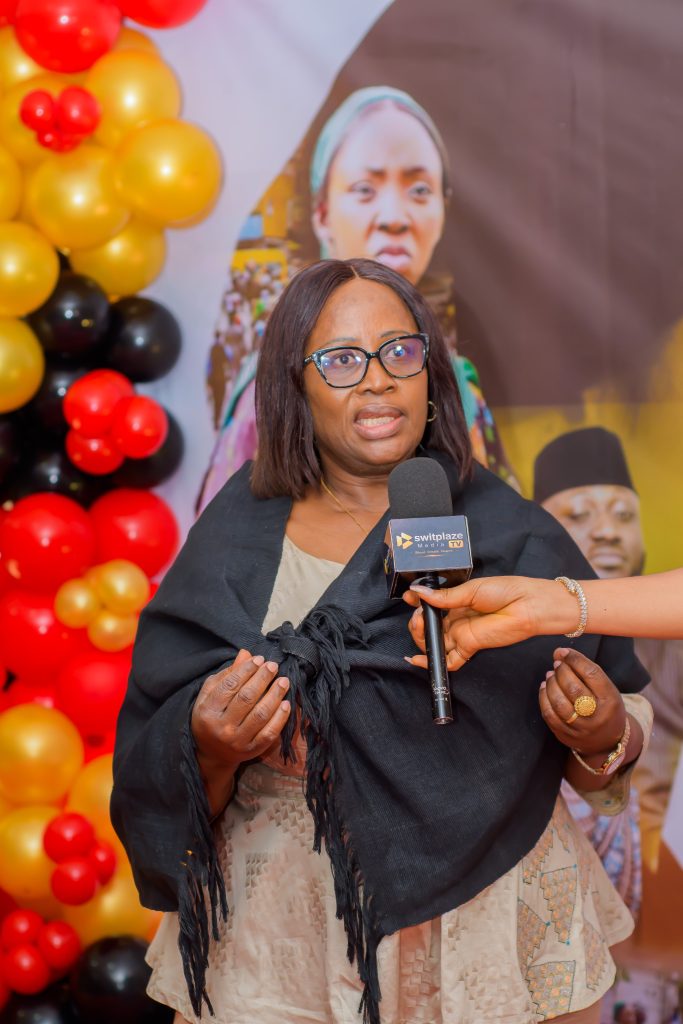
She noted that despite women’s contributions to community development, education, health, and economic growth, they remain underrepresented in political leadership at all levels of governance.
Eyong emphasised that meaningful inclusion is essential for achieving sustainable development and addressing systemic inequalities that affect both women and society at large. She called for urgent reforms to address these gaps.
Representative of the United Nations Population Fund (UNFPA) Nigeria, Muriel Mafico, stated that through the film, storytelling has emerged as a potent tool for advancing women’s political engagement and inclusive governance in the country.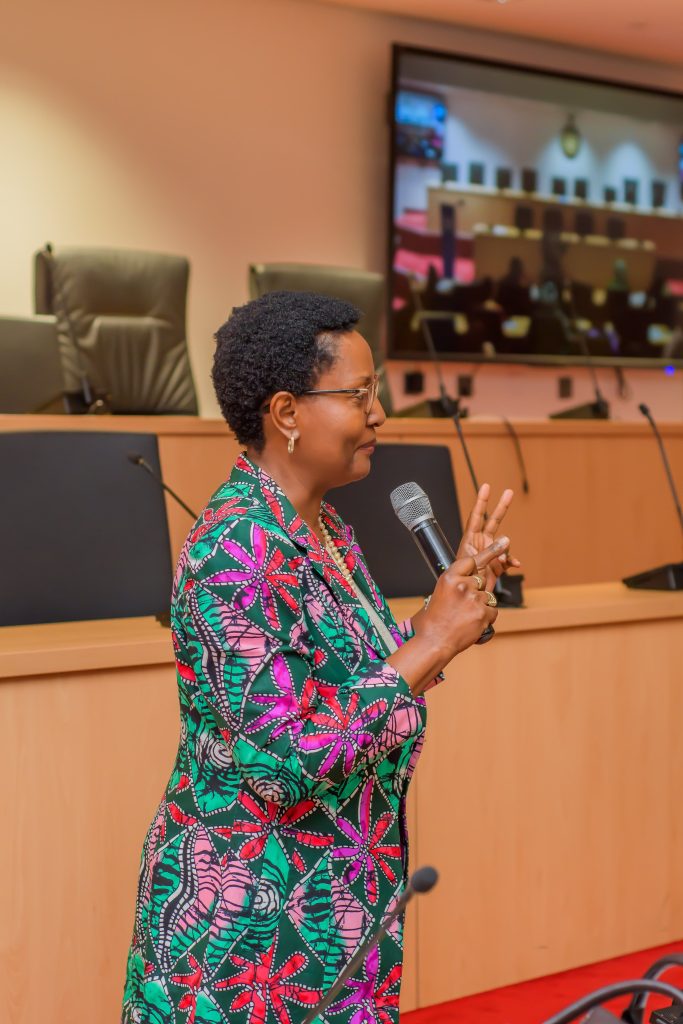
“The Special Seats for Women Bill remains a critical step toward ensuring women’s voices are represented in governance and public leadership. This film demonstrates how creative storytelling can inspire reflection, strengthen dialogue, and mobilize action for gender equality,” Mafico said.
Representatives from international partners, including the United Kingdom and Finland, also used the platform to reaffirm their commitment to gender equality and democratic inclusion. They described women’s political participation as a critical component of strong democratic systems.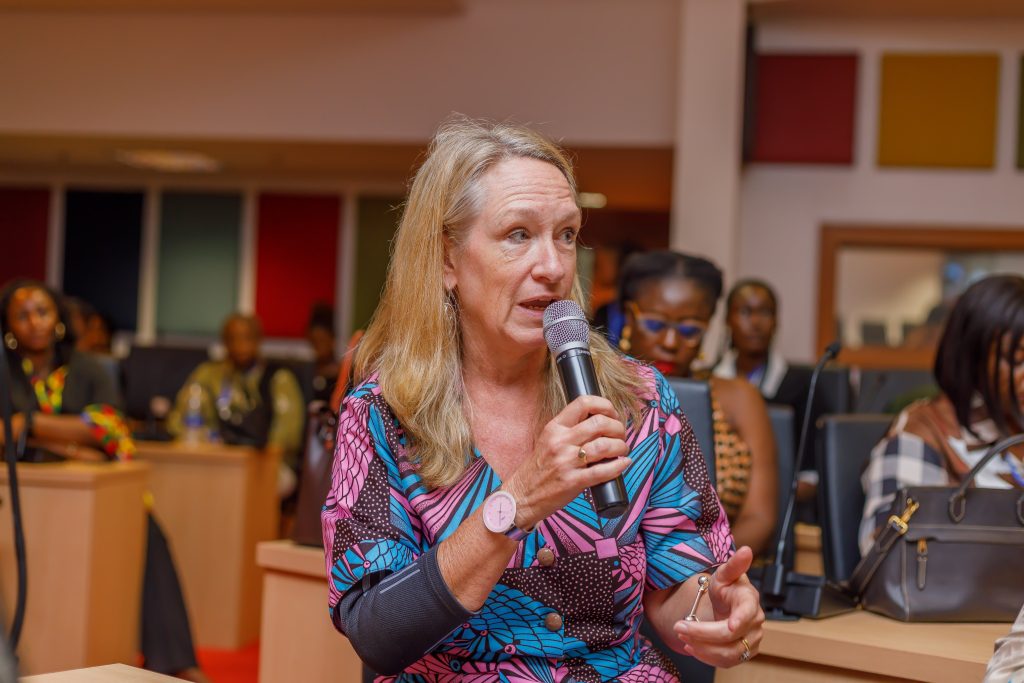
The UK Deputy High Commissioner highlighted that increasing women’s participation in politics is not only a moral imperative but also a governance priority that strengthens accountability and development outcomes.
Similarly, the Finnish Ambassador to Nigeria stressed that gender equality is central to peace, stability, and progress, urging stakeholders to support reforms that will ensure women have equal opportunities in political leadership ahead of the 2027 elections.
Share this